As an Amazon Associate, we earn from qualifying purchases. Some links on this site are affiliate links at no extra cost to you. Our recommendations are based on thorough research and editorial judgment.

Surge Protector Installation Best Practices

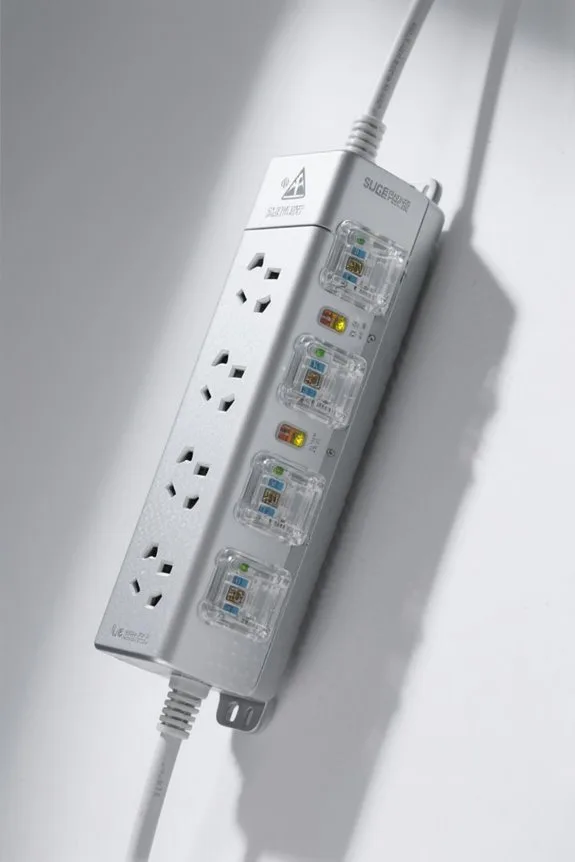
Surge protector installation follows clear safety and placement rules. Use whole-house models WHSP-400 or SPD-120/240, mounted within 18 inches of the panel, with conductor lengths under 3 feet and clamping voltage ≤400V. Confirm UL 1449 listing, ≥2000 J rating, and response time <1 ns. Turn off the main breaker, verify 0 V with a voltage tester, and use insulated tools. Replace units every 5–7 years. You can consult the following steps and maintenance schedule for full procedures.
Key Takeaways
- Turn off main power and verify zero volts before installing; use proper PPE and follow manufacturer instructions.
- Install whole-house Type 2 SPDs within 18 inches of the service panel using conductor lengths ≤3 feet to minimize surge impedance.
- Select UL 1449‑certified devices with ≥2,000 J rating, clamping voltage ≤400V, and response time <1 ns for reliable protection.
- Bond and ground SPDs properly to the service grounding system using short, low‑impedance conductors to ensure effective surge diversion.
- Document model/serial and install date, test annually, and replace whole-house units every 5–7 years or after major surge events.
Project Overview and Why Surge Protection Matters
You may be interested
Surge protection begins with a clear project plan and specification list for the main electrical service. The plan outlines surge protector installation steps and parts like whole-house surge protectors (model WHSP-400) mounted at the electrical panel. It explains surge protective devices (SPD-1200) placement with conductor lengths of three feet or less to limit voltage spikes and power surges. The document specifies clamping voltage under 400V for sensitive electronics and lists testing and maintenance every 5–7 years. Step 1: de-energize panel and lockout. Step 2: mount device within 12 in. of panel lugs. Step 3: connect short copper leads, torque to spec. Step 4: restore power and test protection status indicators. Project records should note serial numbers, installation date, installer name, and annual test readings. Additionally, selecting surge protector enclosures made from weather-resistant materials such as IP54-rated housings can increase durability in outdoor installations.
What Are Power Surges and Where They Come From
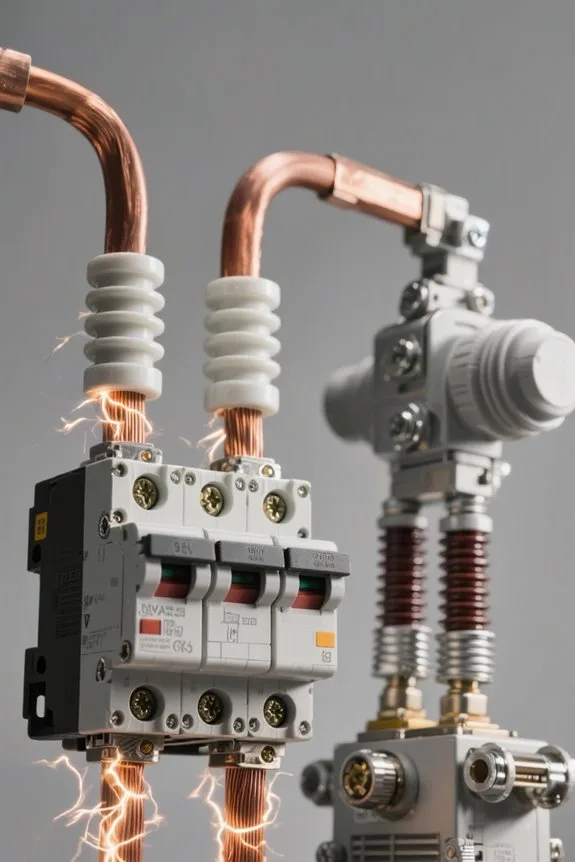
A single brief voltage spike can exceed one million volts during a nearby lightning strike and arrive in a few nanoseconds. Power surges originate as external surges from lightning strikes or utility grid switching operations affecting the electrical system. Internal power surges occur from faulty wiring, motor starts, or overloaded circuits and cause cumulative damage to sensitive electronics. Surge protection is essential to limit voltage spikes and prevent data loss or equipment failure. Inspect the service panel, verify neutral-ground separation, and confirm breaker labeling before installation. Install a Type 2 SPD, model SPD-120/240 (UL1449), mounted within 18 inches of the panel, torque terminals to 35 in·lb. After installation, test with a 600 V rated multimeter, log baseline voltage, and recheck after load cycling periodically. For installations involving portable equipment, consider using a heavy-duty 12-gauge cord to reduce voltage drop and maintain safe operation.
Types of Surge Protection and How They Work
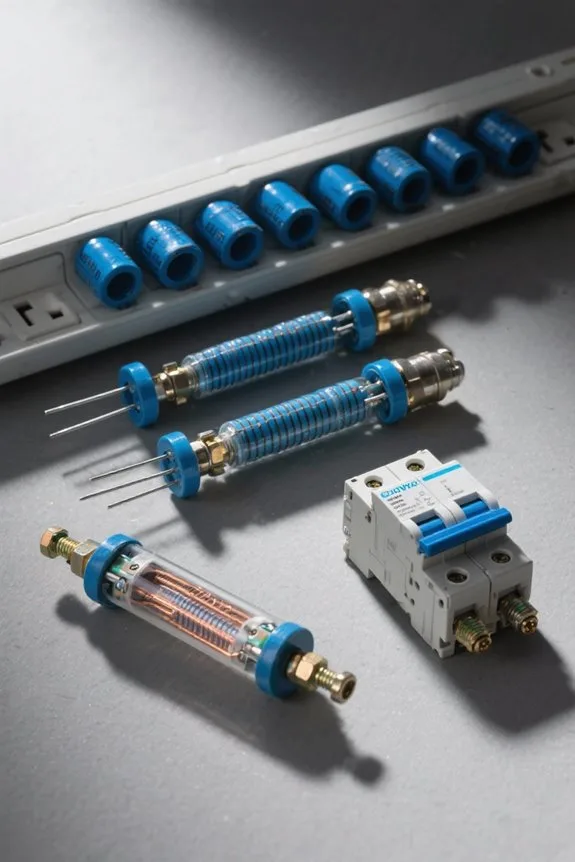
When protecting a residence, choose both point-of-use units and whole-house devices to address internal and external surge sources. A residential plan uses two types of surge protection: point-of-use protectors for TVs, computers, and whole-house surge protectors at the panel. Whole-house devices are Type 1 before the main breaker and Type 2 after it, they work together for max protection. Select a surge protective device with a Joule rating of 2000+ (example model SPD-2000), clamping voltage ≤400V, and response time <1 ns. For point-of-use, plug-in units like PUP-120 protect sensitive gear. Installation steps: shut power off, mount unit, torque terminals per label, restore power, test. You can pair both layers to reduce internal surges and external surges. Confirm specifications on datasheet and replace after major events. Also look for safety certifications such as ETL certification to ensure reliable performance.
Recommended Products
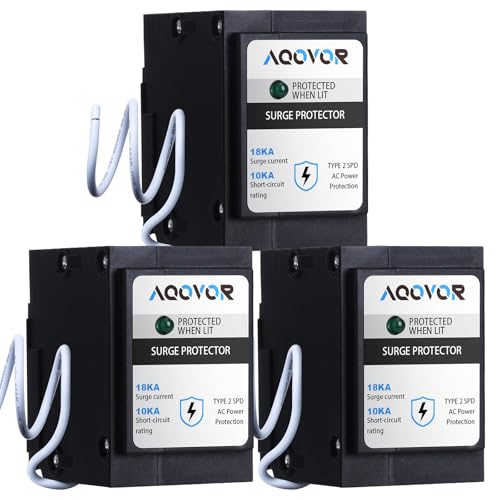
Uses 2 Branch Circuit Spaces
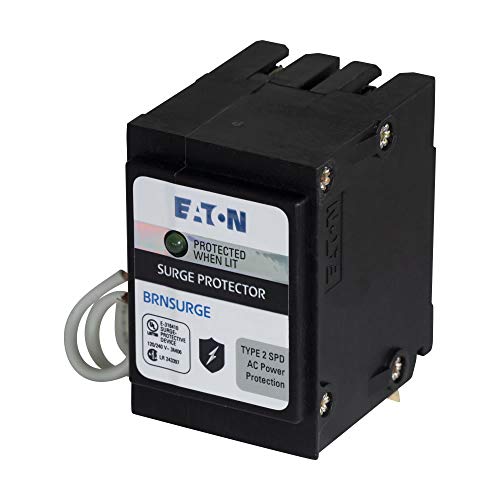
Uses 2 Branch Circuit Spaces

Universally connects to any manufacturer's load center (breaker box)
Selecting the Right Surge Protector for Your Home
How should a homeowner select a surge protector for a residence that requires both outdoor and indoor protection? An advisor recommends using a Type 1 device outdoors and Type 2 devices for residential applications indoors. Select surge protectors with a Joule rating of at least 2,000 J and a clamping voltage of 400V or less. Verify response time under 1 ns and UL 1449 listed certification. Choose models labeled SPD-2000 or equivalent for peak protection and to handle voltage spikes affecting sensitive electronics. When evaluating, check terminal ratings, grounding requirements, and enclosure NEMA type. For installation planning, mark main panel locations, confirm breaker compatibility, and schedule a licensed electrician to install a surge protector per manufacturer instructions. Document model numbers and warranty details immediately. Also consider units with UL/ETL certification as an added reliability indicator.
Recommended Products

LED ON/OFF Protection Status Monitoring

Fits into existing Siemens load centers

Leviton surge protective devices (SPDs) divert damaging voltage transients, or surges, away from electronic equipment
Preparing for Installation: Safety and Tools
Before beginning any work, the installer must turn off main power at the service disconnect or main breaker to prevent shock. The technician approaches the main electrical panel, verifies power off with a voltage tester, and confirms the circuit breaker reads 0 V. Gather tools: voltage tester VT-50, 6 in. wire stripper, Phillips #2, flathead 1/8 in., and safety gloves rated CAT III. Review surge protector installation manual, noting model SPD-120/240-40 and that it is compatible with the panel and service size. Use safety gear including insulated gloves, eye protection, and rubber-soled shoes. Isolate live components, avoid damp surfaces, place nonconductive mat under feet. Document breaker ratings, photograph panel, then proceed when all checks are complete. Record serial numbers and installer initials daily securely. Ensure the selected SPD meets required surge protection rating and safety certifications for the installation.
Recommended Products

Uses 2 Branch Circuit Spaces

LAST LINE OF DEFENSE – THOMESURGEP surge protective device by ABB guards your home from electrical surges. Immediate and reliable protection for sensitive electronics and appliances.

The HEPD50 is easily connected to any brand of residential load center and provides the customer a green status LED to ensure proper protection
Step-by-Step Whole‑House Surge Protector Installation
After power is verified off with the VT-50 and panel photos and serial numbers are recorded, the installer begins the surge protector installation. The installer mounts a whole-house surge protector (Type 1 for external, Type 2 for internal) inside or adjacent to the electrical panel per manufacturer. A dedicated breaker, two-pole 30A or 50A, is installed and the device is wired with 2–3 ft leads to minimize impedance. Terminal screws are tightened to the manufacturer torque spec, for example 20 in-lb on models like SPD-1000T1. Panel cover is replaced, power restoration follows, and the status indicator is checked. Ensure the device is UL listed and includes LED indicators to monitor operational readiness. The installer documents model, serial, torque, and indicator result to confirm surge protection readiness. Documentation is saved with date, technician initials, and job reference ID number.
Recommended Products

120/240V Type 2 Surge Protective Device. Provides powerful surge protection with a rating of 72kA per phase and a total energy absorption of 1880 Joules—ideal for...
Best Practices for Grounding and Conductor Configuration
When installing surge protective devices like SPD‑1000T1, maintain short, straight grounding conductors and keep SPD leads under three feet to minimize impedance. Install surge protectors close to the service panel with ground wire runs as short and straight as possible. Use a grounding bus bar to terminate SPD ground wires, avoid twist‑on connectors, and aim for grounding resistance below 5 Ohms. Provide dedicated ground wires for each SPD and do not daisy‑chain grounds. Route grounding conductors on low impedance paths, in fixed clamps, and with minimal bends. You can measure impedance and grounding resistance after installation. For multiple SPDs, connect each dedicated ground wire to the common grounding bus bar to guarantee maximum protection and fast surge energy dissipation. Follow IEEE and DITEK guidance. When selecting devices, consider models with thermally protected MOVs for increased durability.
Maintenance, Testing, and Replacement Guidelines
Although indicator lights can fail silently, technicians should inspect SPD‑1000T1 and other surge protectors visually every 3 months for lamp status and damage. Technicians perform maintenance by recording date, device model, and serial number in documentation logs for compliance with local codes. Annual testing checks functionality using test buttons or a calibrated 1 kV test device, recording results. Replacement follows timelines: whole-house units at 5–7 years, point-of-use at 2–3 years, or immediately after any surge event. A licensed electrician conducts periodic inspections, measures line-to-neutral and line-to-ground voltages, and confirms electrical safety. If an indicator is dark, technicians replace the unit per manufacturer instructions. For clarity, you can follow step-by-step checklists retained with installation paperwork. Keep records ten years to support regulatory and insurance claims. Additionally, technicians should note that models with LED indicators provide reassurance regarding their operational status.
Frequently Asked Questions
What Is the New NEC Code for Surge Protectors?
NEC requires SPDs; surge protector benefits, surge protector types, surge protection devices, surge protection ratings, NEC compliance importance, surge protector maintenance, surge protector lifespan, whole house protection, point of use applications, surge protector installation costs.
How to Properly Install a Surge Protector?
Like anchoring lightning to earth, installers mount surge protectors: select surge protector types, use installation tools, apply wiring techniques and grounding methods, voltage ratings, target devices, location guidelines, avoid common mistakes, maintenance tips, testing procedures.
What Are the Rules for Surge Protectors?
They must: select surge protector types and surge protection devices, mitigate electrical system risks and voltage spikes, guarantee home theater protection, consider grid stability issues, use dedicated circuits, grounding techniques, appliance safety tips, installation tools.
Should a Surge Protector Go Before or After the Breaker?
Preferably before the breaker; both locations serve roles. surge protector placement should reflect breaker panel considerations, installation effectiveness, surge protection types, electrical system compatibility, safety assessments, circuit protection strategies, load calculations, grounding requirements, maintenance tips.