As an Amazon Associate, we earn from qualifying purchases. Some links on this site are affiliate links at no extra cost to you. Our recommendations are based on thorough research and editorial judgment.


Myths About Extension Utility Product Safety

Many myths claim extension cords are safe for permanent wiring, but codes require temporary use only and not hard-wiring. Use UL-listed cords, match 14 AWG for 15A circuits or 12 AWG for 20A, and keep runs under 50 feet to limit voltage drop. For outdoors select SJTW-rated cords, place connections off wet ground, and use properly approved GFCI protection (UL 943). Never plug space heaters, refrigerators, or microwaves into cords, and you can consult guidance.
Key Takeaways
- Extension cords are for temporary use only, not as permanent household wiring or substitute for new outlets.
- Indoor-rated cords used outdoors can have damaged insulation and create shock or fire hazards.
- Daisy-chaining multiple extension cords increases resistance and overheating risk, often causing failures or fires.
- High-wattage appliances (space heaters, refrigerators, microwaves) should never be run on standard extension cords.
- Choosing proper gauge, length, and certified cords (UL/ETL) prevents voltage drop, overheating, and circuit overloads.
Common Myths About Extension Cords
You may be interested
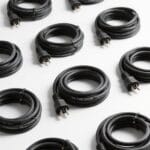
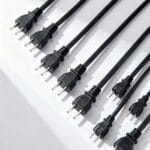
Contrary to popular belief, extension cords are intended for short-term, temporary use and not for permanent wiring installations in homes or workshops. The myth that extension cords are safe long-term ignores cord ratings, conductor gauge, and ambient temperature limits specified on labels. Consumers often assume they can use an extension cord for high-wattage heaters; consult device wattage, cord ampacity, and plug type first. Follow steps: 1) read label (e.g., 14 AWG, 15A, UL E12345), 2) match cord length under 25 ft when possible, 3) avoid daisy-chaining. Regular inspection helps prevent electrical fires; you can check for melting, discoloration, and 40°C heat buildup near junctions. If unsure, consult a licensed electrician and reference NFPA 70; replace cords with fray, exposed conductors, or loose connections immediately. Also, choose cords that are 14 AWG or thicker and rated for 15A/125V when used with major appliances.
Proper Uses Versus Dangerous Misuses
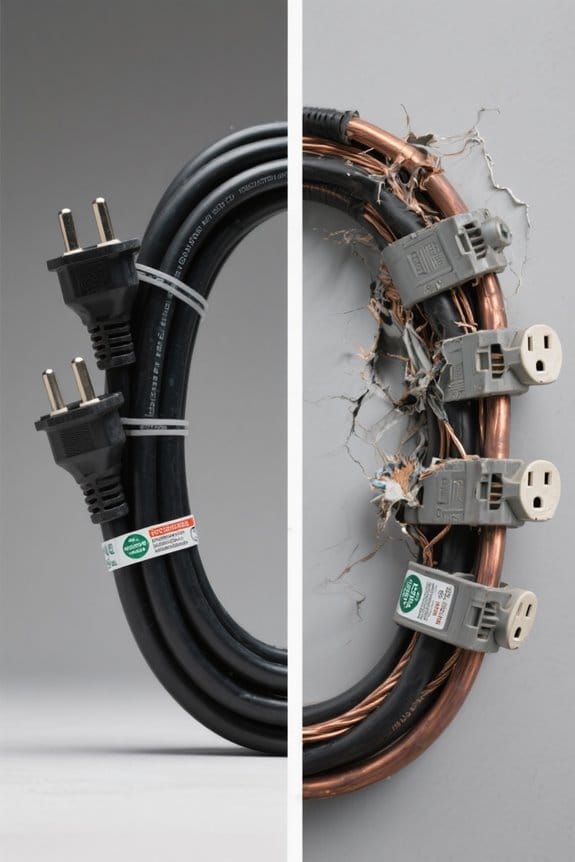
Although intended for temporary use, extension cords serve short-term power needs and are not built for permanent wiring. These are proper uses: use cords for hours, not months, and choose AWG 14 or AWG 12 for 15A loads. Match indoor versus outdoor ratings; do not use indoor-only cords outside where moisture can degrade insulation quickly. Avoid daisy-chaining; Step 1: plug single cord, Step 2: connect one device, Step 3: stop if cord feels hot. Inspect cords weekly for frayed insulation, exposed wire, kinks, and damaged cords; replace any with UL Listed. Do not power space heaters or microwaves from extension cords; you can install a dedicated NEMA 5-15 outlet. Follow safety tips: label cords, store coiled, and always discard damaged or defective cords immediately, no exceptions allowed. Also verify that cords are UL Listed and use GFCI protection outdoors when required.
Recommended Products

16/3 GROUNDED POWER SPECS – 16AWG three-wire extension cord with three-prong outlet rated 13A/125VAC/1625W safely extends any grounded AC outlet for reliable indoor or outdoor power distribution
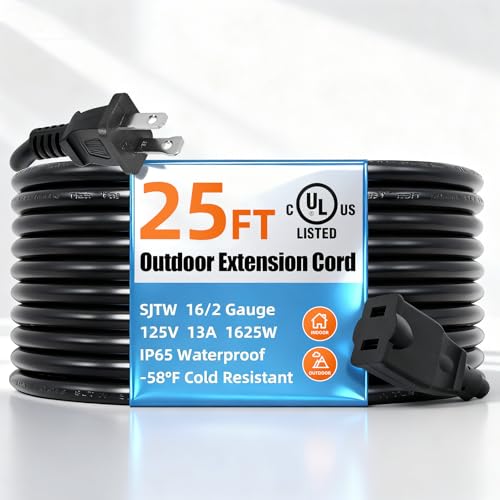
[UL Listed] Our cables and plugs are UL listed with certification codes E512166 and E513178 respectively.

POWER SPECS — 16AWG grounded three-wire extension cord rated 125VAC/13A/1625W extends a single three-prong outlet from any grounded receptacle for reliable indoor or outdoor power
Top Safety Mistakes Homeowners Make
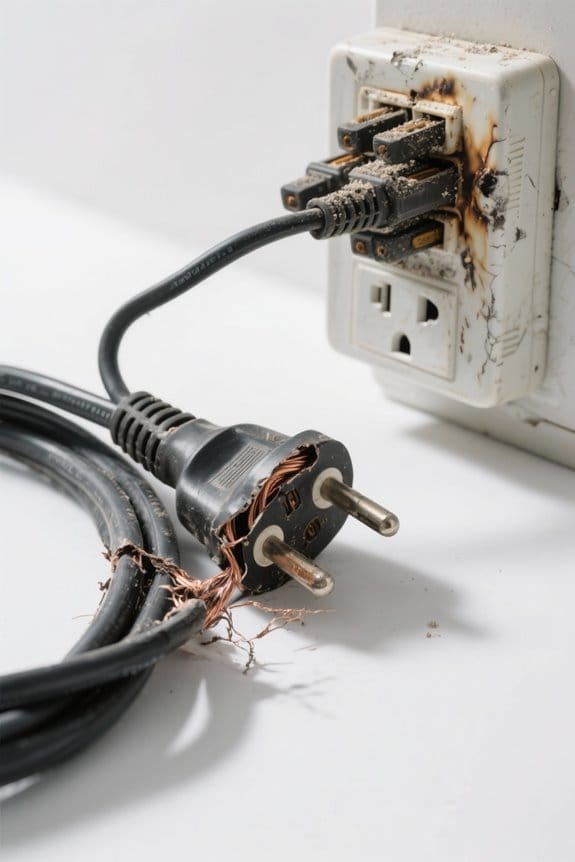
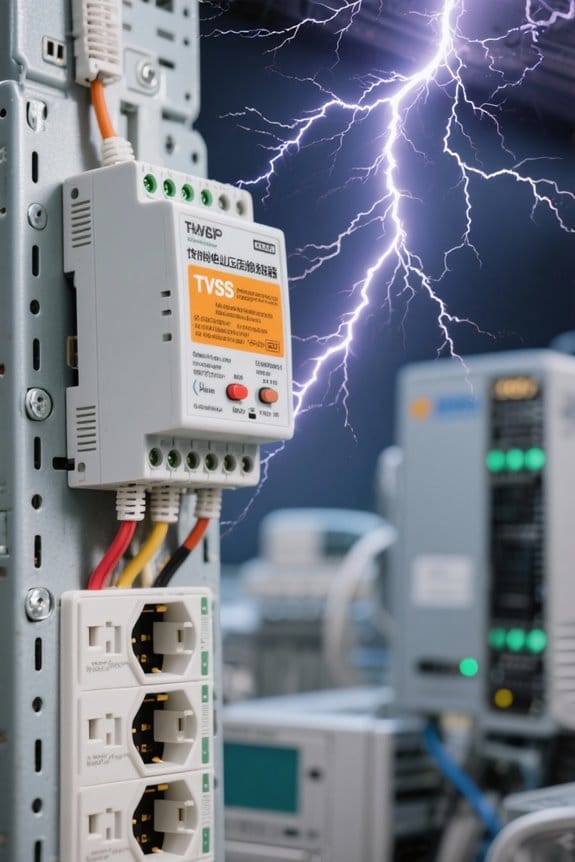
After outlining proper short-term uses, the guide shifts to the most common safety mistakes homeowners make with extension cords. Many fail to remember that extension cords are designed for temporary use, not permanent household wiring installations. Overloading extension cords by connecting multiple high-wattage devices, such as space heaters (1500W) and microwaves (1000W), exceeds typical 15A, 120V limits. Daisy-chaining increases resistance and heat; avoid linking more than one cord or using cords with different gauges like 16 AWG to 12 AWG. Using Indoor Cords outdoors damages insulation and voids ratings; choose weatherproof, UV-rated cords marked ‘SJTW’ or ‘SJTOW’ for outside use. Inspect cords weekly for frays, cracks, or exposed conductors; replace any cord with visible damage or UL file number missing, for example UL E12345. Homeowners should also consider using surge protectors with adequate surge capacity to safeguard devices from voltage spikes.
Appliances You Should Never Plug Into an Extension Cord
Because extension cords are designed for temporary, low-current use, homeowners should avoid powering certain appliances directly with them. Common examples include space heaters, air conditioners, microwaves, refrigerators, hair dryers, and treadmills; appliances are safe only when not used for high wattage. These devices often exceed 1,500 watts and 15 A at 120 V, which can overheat 16-gauge cord. Refrigerators and freezers need stable voltage; using an extension cord risks voltage drop, compressor damage, food spoilage. First, read appliance label for wattage and model number, e.g., model AC-7500 or code UL1234. Second, do not connect space heaters rated over 1,500 W to extension cords; plug into a dedicated outlet. Third, avoid hair dryers, coffee makers, and treadmills on cords; check nameplate, list Electrical Safety labels. Also, for longer runs consider using a heavier-gauge cord to reduce voltage drop and overheating.
Recommended Products

Lighted End and Extra Size for Safety: The power socket indicator light shows that power is on and the heavy duty extension cord 25 ft is ready for work; Extra size male NEMA 5-15P power plug and female NEMA 5-15R power socket for safety; It is thicker and more durable than the normal type on market and has high insulation safety performance to prevent electric shock; ETL/cETL listed for safe approval
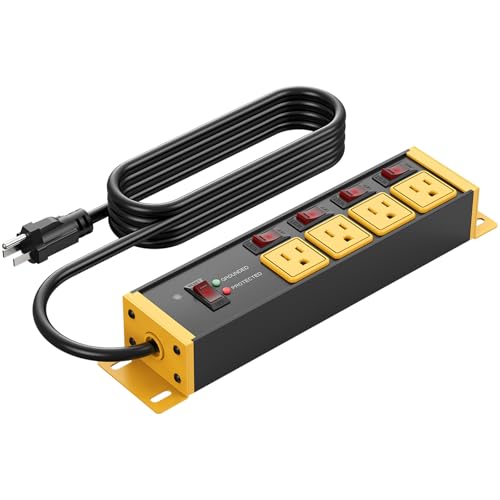
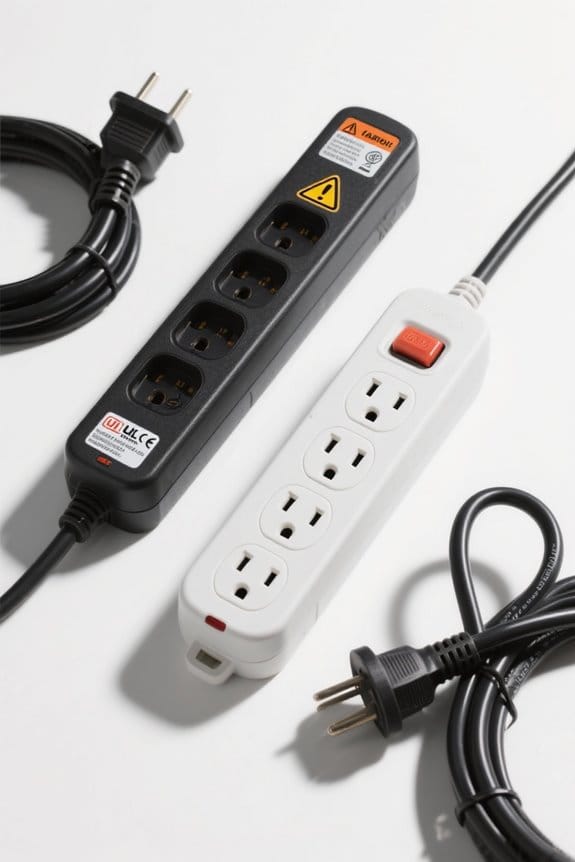
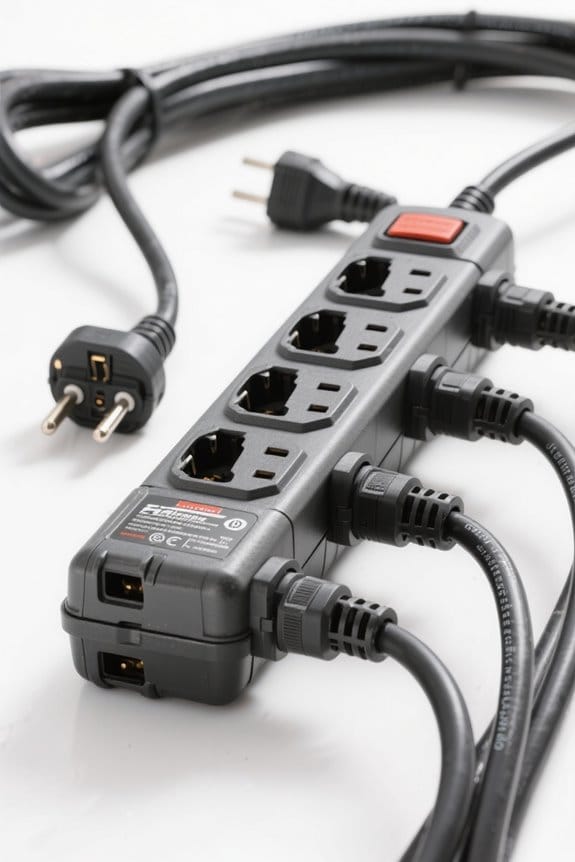
Heavy duty power strip 20 amp with 4 outlets and individual switches, 5-20R, 6-20R and come with standard 3 prong 5-15P plug. Wall mount design, can be applied to high power industrial equipment.
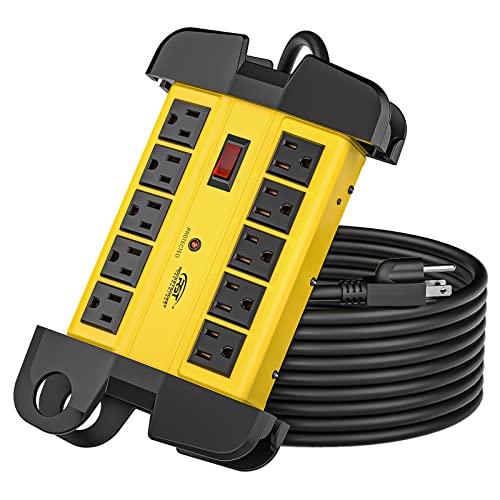
--Sturdy, extruded aluminum housing stands and Surge Protection constructed. CRST Industrial Power Strip is perfect for construction site, labs, and other harsh environments.
How to Choose the Right Extension Cord
How should a homeowner choose the right extension cord for specific appliances and environments, avoiding overloads and voltage drop? The user should first match cord amperage to device requirements, typically 13 to 15 amps for standard loads. Check product labels for safety certifications such as UL or ETL before purchase. Choose wire gauge by load: 16 AWG for light-duty, 14 AWG for medium, 12 or 10 AWG for high-wattage devices. Keep cord length minimal to reduce voltage drop; measure and buy the next shortest length available. Select indoor or outdoor-rated extension cords according to location, noting outdoor insulation and UV resistance. Inspect plugs and strain relief. When in doubt, consult product datasheets or a licensed electrician for exact model numbers and load calculations guide. A 25 ft 10 AWG L14-30 cord is often recommended for up to 30A/7,500W high-amp setups.
Recommended Products

Lighted One End and Extra Size for Safety: LED power indicator confirms the 25-foot heavy-duty extension cord is powered and ready for use; oversized NEMA 5-15P male plug & NEMA 5-15R female socket enhance safety; rated 15 Amps, 1875 Watts, 125 VAC — ideal for indoor/outdoor use

Extra Heavy Duty: Black outdoor extension cord waterproof 25ft 10 gauge, 15 amp, 125 volts, 1875watts, male power plug NEMA 5-15P, female power socket NEMA 5-15R, SJTW power cord; ETL, cETL listed, heavy duty extension cord 25 ft is perfect for any heavy duty use, circular saws, string lights, block heater, lawn mowers, gardening, landscaping, construction site, welding work, or powering major appliances

LONG LASTING PERFORMANCE: Engineered to endure harsh conditions, this heavy duty extension cord remains resilient against extreme temperatures. With a superior indoor / outdoor extension cord waterproof design, it offers unmatched durability and reliability for home, work, or construction needs. Ensure long lasting performance with LifeSupplyUSA extension cords in any setting.
Outdoor and Holiday Decoration Safety Tips
Many homeowners should use extension cords marked “Outdoor” (for example, UL Listed 62N6 or ETL 285543) when decorating exterior spaces. Use cords with thicker insulation rated for outdoor use, 16 AWG or heavier for light strings, 12 AWG for heavier decor. Inspect cords and lights before placement for cuts, frays, or discoloration. Avoid daisy-chaining more than one cord; connect each string directly to a grounded outlet. Limit load to manufacturer wattage, and do not exceed 80% of circuit capacity to prevent tripping or melting. Employ GFCI-protected outlets for all outdoor installations near moisture. Position cords to avoid standing water and secure them with clips, not staples. These safety tips reduce shock and fire risks during holiday decorating outdoors. Inspect lights annually, replace damaged items. Choose cords with SJTW jackets or IP65 ratings for better weather resistance.
Recommended Products

ETL Listed and Trusted: 25 ft extension cord rated 13 Amps, 1625 Watts and 125 VAC; Male NEMA 5-15P and female NEMA 5-15R; It is ETL/cETL Listed; Ensuring its compliance with strict safety standards; Each outdoor extension cord passes a 2500V high voltage test before leaving the factory to ensure safety; Before use, please check the rated voltage, current, and power of the appliance to avoid exceeding 125V, 13A, and 1625W

ETL Listed and Trusted: 15 ft extension cord rated 13 Amps, 1625 Watts and 125 VAC; Male NEMA 5-15P and female NEMA 5-15R; It is ETL/cETL Listed; when using it for the first time; if 15ft extension cord feels stiff; this is a normal phenomenon caused by the tight packaging during manufacturing; don't worry; simply lay it flat at room temperature; 15 foot extension cord will naturally regain its flexibility and lie flat after a short period
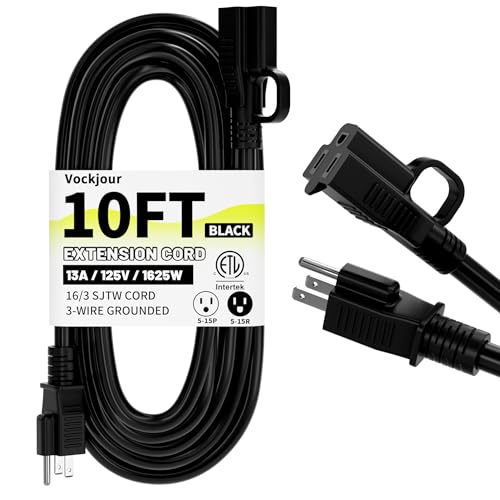
ETL Listed:16 AWG extension cord 10 ft, 125 volts, 13 amps, 1625 watts, 5-15P/R,3 prong extension cord Temperature Range -58°F to +158°F; Heavy duty extension cord ETL/cETL Approved
Inspection, Maintenance, and Warning Signs
After finishing outdoor decoration setup, regular inspections of extension cords and light strings prevent hidden hazards before they cause failure. Technicians recommend an inspection every 30 days, or after heavy rain, checking for frays, discoloration, and mixed wiring. Step 1: Unplug and measure cord diameter and insulation thickness; note cords under 3 mm insulation for replacement. Step 2: Inspect plugs for melting, discoloration, or loose prongs; discoloration is a key warning sign requiring immediate replacement. Step 3: Verify wattage labels and match device draw, never exceed rated amperage printed on cord or inline tag. Step 4: For moisture exposure, dry and test with a GFCI tester labeled GFT-100 before reuse, or discard. Regular maintenance includes ensuring plugs are inserted, avoiding tight bends under 2 inch, replacing damaged cords. Additionally, always check for ETL/cETL listing to ensure cord quality and compliance.
Recommended Products

ETL Listed and Trusted: 10 ft extension cord rated 13 Amps, 1625 Watts and 125 VAC; Male NEMA 5-15P and female NEMA 5-15R; It is ETL/cETL Listed; Ensuring its compliance with strict safety standards; Each outdoor extension cord passes a 2500V high voltage test before leaving the factory to ensure safety; Reliability and efficiency outdoor extension cord waterproof are capable of meeting most electrical needs; Please note that the “Indoor” label on the product is only a partial identifier; This product is actually safe for outdoor use as its external power cord is made of durable SJTW material; offering excellent outdoor abrasion resistance; moisture resistance and weather resistance
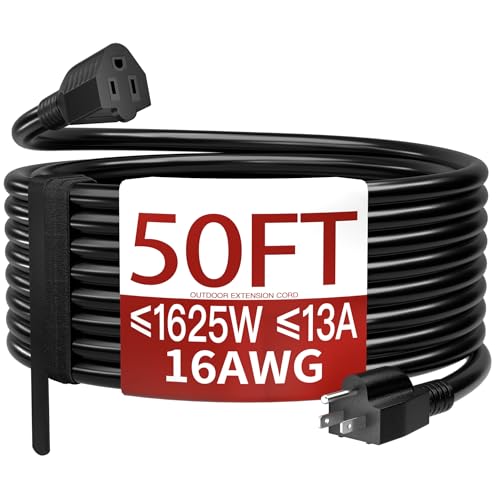
ETL Listed and Trusted: 16 gauge 50 ft extension cord rated 16AWG,13 Amps, 1625 Watts and 125 VAC; Male NEMA 5-15P and female NEMA 5-15R; It is ETL/cETL Listed; Ensuring its compliance with strict safety standards; Each outdoor extension cord passes a 2500V high voltage test before leaving the factory to ensure safety; Reliability and efficiency outdoor extension cord waterproof are capable of meeting most electrical needs

Up to 1875W Applications: Outdoor extension cord waterproof 12 gauge, 15 amp, 125 volts, 1875 watts, NEMA 5-15P to NEMA 5-15R, SJTW power cord, ETL/cETL listed, heavy duty extension cord 50 ft is perfect for heavy duty use or powering major appliances
When to Hire a Licensed Electrician
When should a licensed electrician be hired for installations that will remain in place longer than temporary extension cord use? A licensed electrician must be hired whenever a permanent receptacle, hardwired light, or dedicated circuit is needed. For hiring a licensed electrician, request proof of license and insurance, cite NEC 2020 (NFPA 70), and ask for local permit numbers. For electrical safety, use 14 AWG for 15A circuits, 12 AWG for 20A, and GFCI outlets (UL 943) where required. Measure runs, keep cable 12 inches from combustibles, and avoid splices in exposed locations. Step-by-step: 1) describe load in watts; 2) verify panel capacity; 3) install breaker sized to wire; 4) inspect and sign permit. You can prevent hazards and liability and guarantee long-term operation. Choose acid-free tapes to ensure protection during application and removal.
Frequently Asked Questions
What Is the OSHA Rule for Extension Cords?
OSHA requires that extension cords be temporary, undamaged, properly rated, grounded when needed, inspected regularly, and never used as permanent wiring. They must follow OSHA compliance, extension cord ratings, and safe usage to prevent hazards.
Are Outlet Extenders a Fire Hazard?
Yes, like a loaded circuit, outlet extenders can be a fire hazard if outlet extender materials or misuse occur; one should follow proper usage guidelines and verify safety certification standards to minimize overheating and risk
Is an Extension on an Extension Safe?
No, an extension on an extension is unsafe. Best practice: prioritize safe usage by avoiding daisy-chaining, guarantee proper rating for load, follow compatibility guidelines, and use a single appropriately rated cord or install permanent wiring.
Why Do Some Appliances Say Not to Use an Extension Cord?
Like a carriage refusing a narrow bridge, manufacturers warn because extension cords can overheat and fail when mismatched; appliance safety depends on proper cord ratings and managing electrical load to prevent damage, fire, or malfunction.