As an Amazon Associate, we earn from qualifying purchases. Some links on this site are affiliate links at no extra cost to you. Our recommendations are based on thorough research and editorial judgment.


How Fuses and Breakers Work With Surge Protection

The electrical panel uses fuses and circuit breakers to stop overcurrent, and surge protection devices to divert spikes. Cartridge fuses (5×20 mm, 3 A–13 A) melt when current exceeds rating; replace with identical ampere and voltage codes. Breakers (15 A or 20 A) trip mechanically and reset off then on; isolate loads if repeated. SPDs use MOVs to shunt high-voltage transients to ground, installed at service or subpanels with torque. For specifics, you can continue.
Key Takeaways
- Fuses and breakers protect against overcurrent by opening the circuit, while SPDs divert high-voltage transients to ground without interrupting normal current.
- SPDs use MOVs to clamp surge voltages (typically below ~400–600 V) and route excess energy away from sensitive equipment.
- Fuses are sacrificial and must be replaced after blowing; breakers are resettable and provide repeated overload protection.
- Install SPDs at the service entrance or panel, with breakers/fuses downstream to isolate and protect branch circuits.
- After major surges, inspect and replace SPDs and blown fuses; document trips and device ratings for reliable layered protection.
How Fuses Protect Circuits and When They Activate
You may be interested
When current rises above a fuse’s rated amperage, the thin internal wire heats and melts, breaking the circuit to prevent overheating. Fuses protect electrical circuits by interrupting excessive current flow at preset ratings, commonly 3 A, 5 A, and 13 A. A typical cartridge fuse, type 5×20 mm, uses a metal link sized to melt at the rated current. Installation steps: 1) Confirm device rating label, 2) Choose matching fuse code (e.g., F3A-250V, F5A-250V, F13A-250V), 3) Power down the circuit, 4) Remove the blown fuse, 5) Insert new fuse of same ampere and voltage. Once a fuse melts, it must be replaced; it is single-use. Regular inspection maintains device safety and prevents equipment damage. Record fuse part numbers and replacement dates in log MNL-1008. For industrial applications, consider surge protectors with a minimum 4800J rating to ensure adequate protection.
Circuit Breakers: Mechanisms, Types, and Resetting
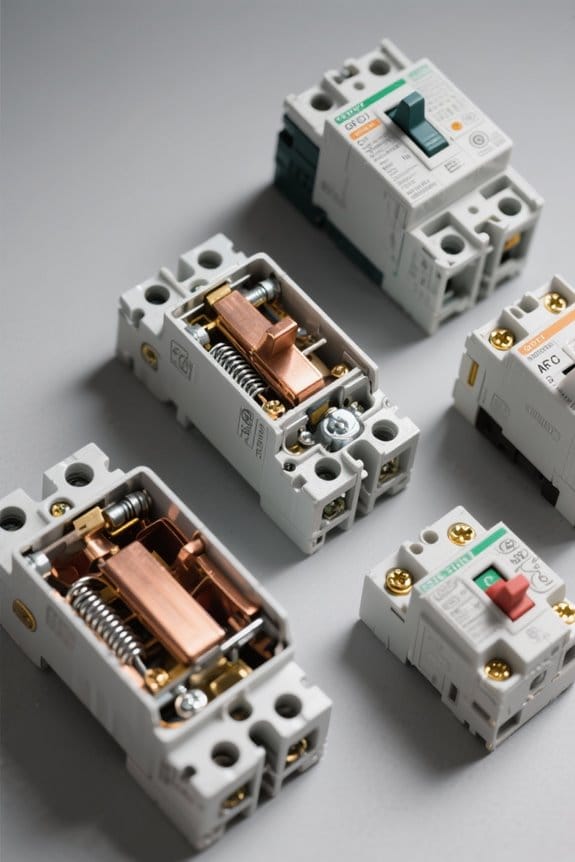
Unlike fuses, circuit breakers are reusable devices that open a circuit mechanically when current exceeds a set value, commonly 15 A or 20 A. Circuit breakers protect electrical equipment by sensing excess electrical current or a short. They are mounted in panels with labels for each 120 V circuit and types BR120 or QO120. GFCI and AFCI breakers provide ground-fault and arc-fault sensing, and complement surge protection devices. In normal use, resetting is simple: you can switch a tripped breaker fully off, then fully on. If it trips again, isolate loads and test devices on that power supply. Check the breaker voltage rating and amperage stamped on handle. Replace defective units per manufacturer code and local electrical rules. Record trips and dates for documentation. Surge protectors with clamping voltage below 330 volts are recommended.
Recommended Products

Protect Your System: Nilight thermal circuit breaker can be reset after a disconnect over a period of time, then you can press the reset switch to use it again When load exceeds rated current, the switch reset button will automatically cut off the circuit, and thus play a role in protecting the line.Not designed for push on / push off manual switch operation, but the button pops out at overload and is reset by pushing back in.

Single pole, 15 Amp, 120V type QP Circuit Breaker

GENUINE OEM BREAKER — This offer includes two (2) authentic HOM115 15-Amp single-pole circuit breakers from Square D's trusted Homeline series. The robust thermal-magnetic mechanism is engineered for reliable dual-action protection, responding to both sustained low-level overcurrents and instantaneous high-current short-circuit events. This component is a factory-new, unused Original Equipment Manufacturer (OEM) part, ensuring full compatibility and performance for general-purpose 120VAC branch circuits.
Surge Protection Devices: How They Divert Voltage Spikes
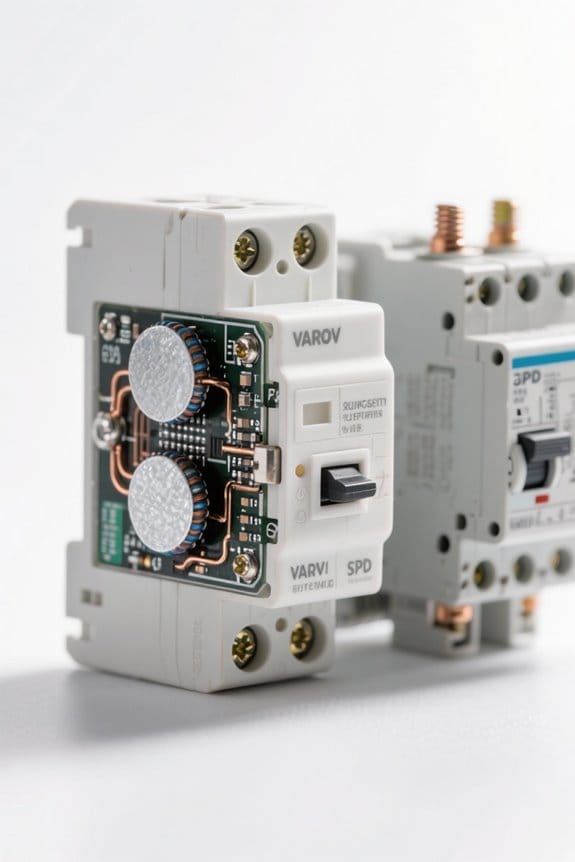
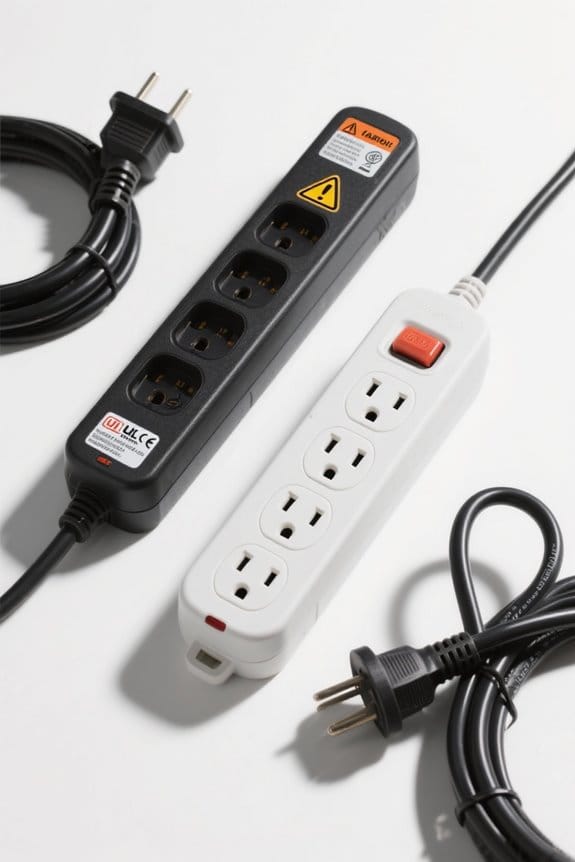
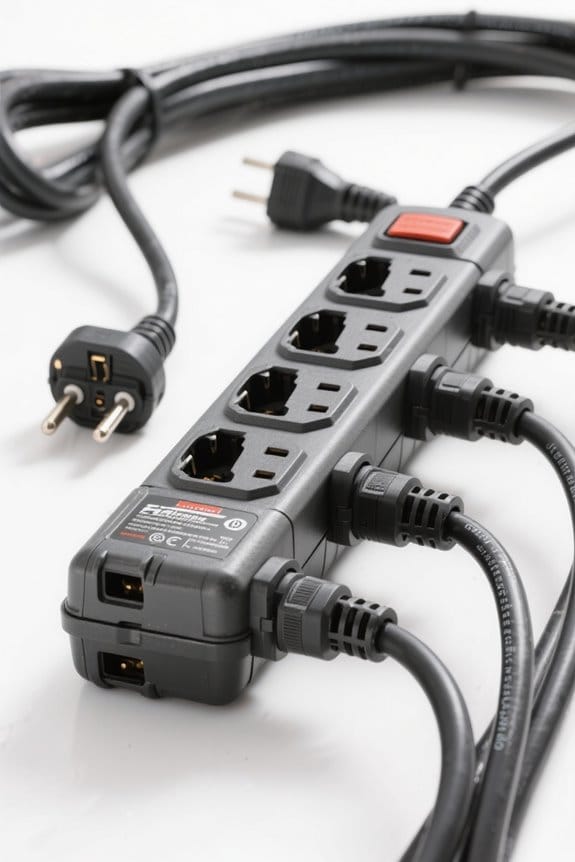
A surge protection device (SPD) is an electrical safeguard that diverts high-voltage spikes to ground using a metal-oxide varistor (MOV). Surge protective devices monitor line voltage and switch to high conductance when voltage spikes create excess voltage above about 600 V for typical 120 V nominal systems. The MOV clamps transient energy and routes surge current to ground with response times under one nanosecond. Installers can mount a Type 1 or Type 2 SPD at the panel, follow manufacturer model numbers like UL 1449 listed units, and torque terminals to 20 in‑lb. These devices protect electrical equipment, limit power surges on electrical circuits, and help shield sensitive electronics. They require inspection after major events and occasional replacement per product guidelines every two years minimum. For installations that also use lighting filters, consider compatible Neutral Density materials to avoid heat-related damage.
Recommended Products
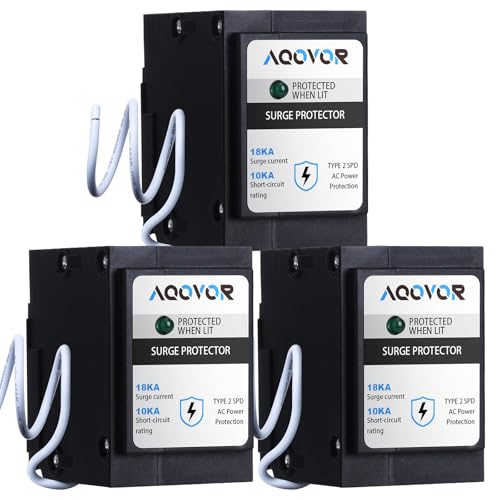
Uses 2 Branch Circuit Spaces
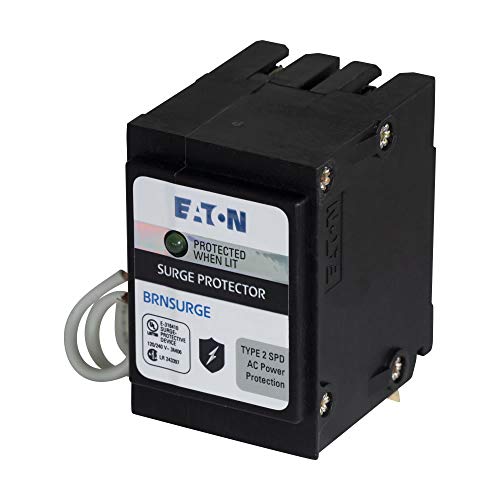
Uses 2 Branch Circuit Spaces

Universally connects to any manufacturer's load center (breaker box)
Layered Protection: Combining Fuses, Breakers, and SPDs
After installing a Type 1 or Type 2 SPD (UL 1449 listed, e.g., Eaton CHSPT2‑120), technicians combine it with fuses and breakers. The layered arrangement places an SPD at the service entrance, circuit breakers at subpanels, and fuses at branch circuits. Fuses rated 15 A or 20 A act as sacrificial links and melt under sustained overcurrent to protect wiring and devices. Circuit breakers sized 15 A to 30 A trip on overloads or short circuits and allow reset. Surge protection diverts voltage spikes up to 20 kA per phase away from sensitive electronic equipment. For installation, you can mount the SPD within 10 feet of the panel using 6 AWG ground, following torque specs. This approach improves electrical system safety and power protection. This layered strategy is supported by choosing SPDs with appropriate surge capacity to match your home’s needs.
Recommended Products

LED ON/OFF Protection Status Monitoring

Fits into existing Siemens load centers

Leviton surge protective devices (SPDs) divert damaging voltage transients, or surges, away from electronic equipment
Selecting the Right Devices for Home and Commercial Panels
How should technicians choose breakers, fuses, and SPDs for home or commercial panels? Technicians should pick circuit breakers with amp ratings matching load, typically 15A or 20A for outlets. For example choose a Type B 15A (BR115) for general outlets, or a 20A (BR120) for kitchens. Select surge protection devices with suppressed voltage under 400V, model examples like SPD-40/275 or UL1449 listed units. In commercial panels, use multi-phase breakers (3-pole, 240/415V) to balance loads. Verify fuses and SPDs match equipment rated capacity, label voltages, and interrupting ratings. You can avoid power strips as primary protection. You can place combination breaker+SPD units in panel spaces to save room. Inspect compatibility with electronic equipment and risks from lightning strikes. Maintain records of model numbers and dates. For tools up to 10 amps, use 14 AWG cords as recommended to reduce overheating and voltage drop.
Recommended Products
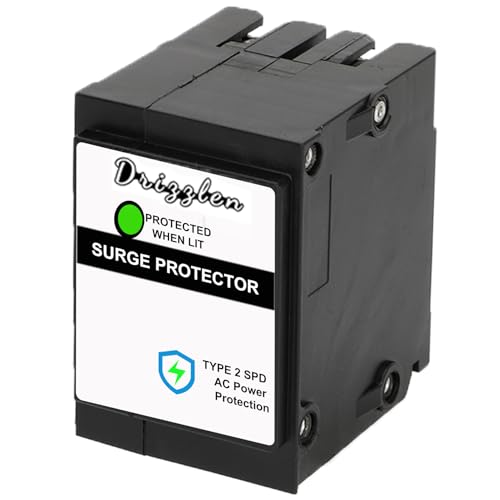
Uses 2 Branch Circuit Spaces

Uses 2 Branch Circuit Spaces

COMPREHENSIVE PROTECTION – ABB's THQLSURGE2 is a Type 1 SPD designed to shield your entire home or office from harmful power surges, enhancing the longevity and reliability of all connected electronics.
Installation, Testing, and Maintenance Best Practices
When installing fuses, breakers, and SPDs, technicians must verify component ratings, panel space, and compatibility with branch circuits before applying power. Installation proceeds in five steps: de-energize panel, verify load amperage, mount device to DIN rail or bus, torque lugs to 25 in‑lb, and label each circuit with 3/4″ adhesive tags. Testing requires manual trip of circuit breakers by switching off then on, recording response time, and checking SPD status LEDs. Maintenance calls for monthly visual inspection for corrosion, loose terminals, or discoloration. Surge protection SPDs of Type 2, UL1449, 20 kA nominal discharge are replaced after major events. Documentation should include model numbers, serials, and dates, following manufacturer instructions and local codes for electrical safety and operational readiness. Replace worn devices promptly, always. For labeling and long-term identification, prefer durable, waterproof tapes to ensure tags remain legible and adhered.
Recommended Products

Versatile Application: Our circuit breaker labels are specially designed to fit seamlessly on your circuit breaker switches. They adhere securely to any surface, indoor or outdoor, and are engineered to withstand diverse conditions while maintaining their durability and effectiveness

Easy to use: the label can be cut into different sizes according to the needs, and can be attached to the door panel, electrical panel, circuit breaker box, etc. according to the number of fuses in the circuit breaker box

Self-adhesive, circuit labels are quick to apply and make it easy to read and use for anyone.
Frequently Asked Questions
Do Surge Protectors Protect Against Blowing a Fuse?
No, like a stormcoat shielding rain, surge protection devices provide surge protector functionality against power surge causes but don’t stop fuse types explained or circuit overloads prevention; electricity flow control and appliance safety measures separate.
What Should You Never Plug Into a Surge Protector?
They should never plug high wattage appliances, motors, or medical equipment into surge protectors; Surge protector limitations, Surge protector ratings require Electrical device compatibility, Electronics protection strategies, Appliance safety measures to prevent Power surge damage.
What Is the 80% Rule for Circuit Breakers?
?Shouldn’t the 80% rule mean circuit load stays at or below 80% of breaker capacity to promote electrical safety and prevent overheating issues? It guides proper wiring, aids appliance protection, and supports effective load balancing.
Do Surge Protectors Help With Circuit Breakers?
Yes, surge protectors help circuit breakers by diverting spikes; surge protection basics complement circuit breaker function, fuse types explained; following electrical safety tips and home wiring guidelines mitigates power surge causes, improving voltage regulation effects.