As an Amazon Associate, we earn from qualifying purchases. Some links on this site are affiliate links at no extra cost to you. Our recommendations are based on thorough research and editorial judgment.

Hidden Electrical Risks in Old Extension Cords

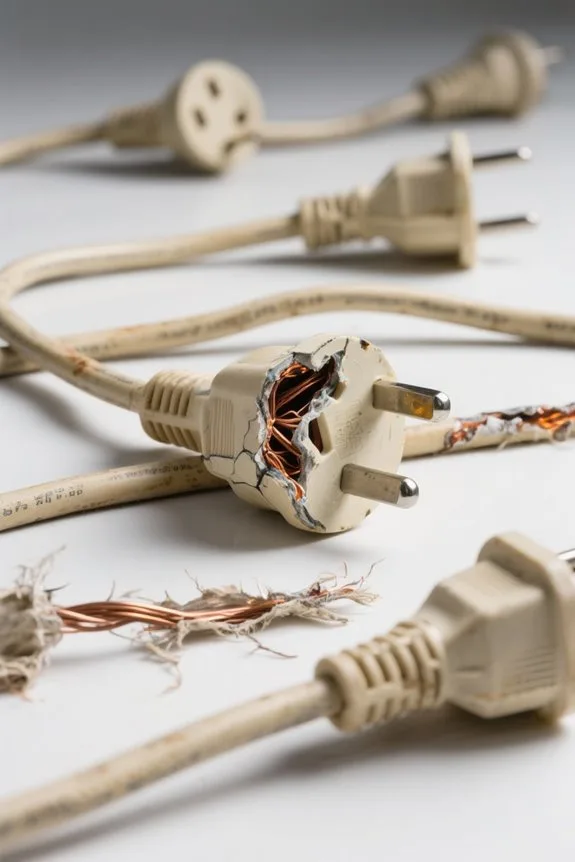
Old extension cords pose hidden risks from degraded insulation, brittle jackets under 1.5 mm, and missing safety marks such as UL 817 or CSA C22.2. Inspect cords visually for frays, exposed conductors, melted plugs, and measure insulation thickness. Unplug, cut power, and replace cords thinner than 16 AWG or lacking UL/CSA markings. Avoid daisy‑chaining and bundling, and store dry. Follow these steps now, and a full checklist appears below for further guidance and safety resources.
Key Takeaways
- Degraded insulation becomes brittle, exposing conductors that increase shock and fire risk.
- Hidden internal breaks or frays can cause arcing and intermittent overheating without visible external damage.
- Loose or corroded plug connectors raise contact resistance, producing heat and potential ignition points.
- Undersized or unmarked cords can be overloaded, leading to overheating and insulation failure.
- Old cords often lack modern safety certifications or surge protection, increasing risk during faults or surges.
Why Aging Extension Cords Become Dangerous
You may be interested
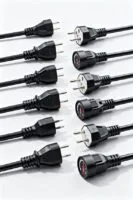
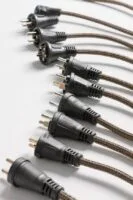
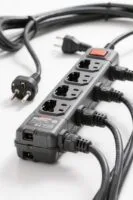
Because insulation degrades with age, older extension cords can present increasing electrical shock and fire risks in homes and workshops. Aging extension cords often have reduced dielectric strength, which can damage the insulation and increase the risk of sparks. Inspect cord labels for ratings like 14 AWG, 16 AWG, 10 A, 15 A and for markings UL 817, CSA C22.2 or Type SJTW. Step 1: unplug and note printed manufacturing date or model code. Step 2: confirm ampacity matches device load and circuit capacity per NEC 400.8. Step 3: replace cords lacking proper markings or rated below device current. Older cords may fail to meet safety standards and can create heat, short circuits, and fire hazards. Record replacement date, model, and location for safety. Also consider using durable, automotive-grade wraps and tapes rated for high temperature resistance to protect and bundle replacement cords where appropriate.
Common Signs of Cord Deterioration to Watch For
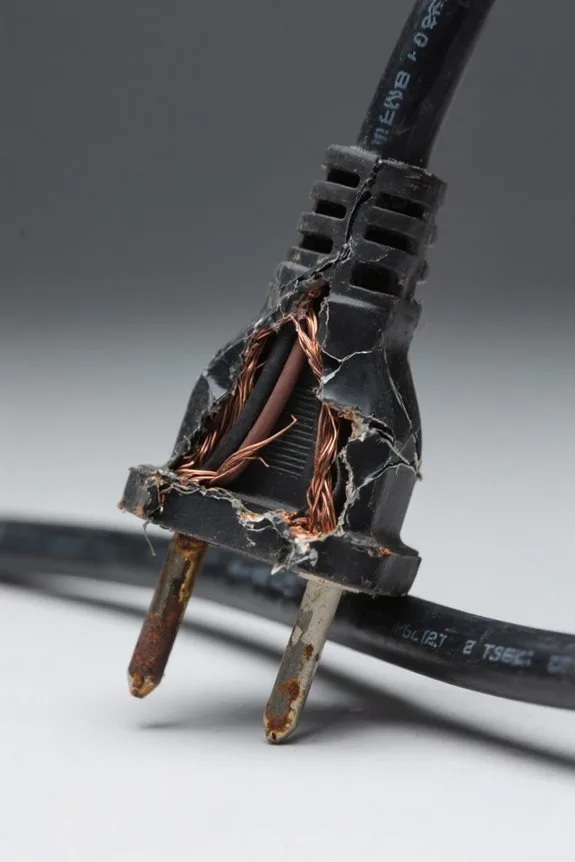
After verifying cord ratings like 14 AWG, 16 AWG and markings UL 817 or CSA C22.2, the inspector should examine physical condition for deterioration. The inspector looks for frayed wires or exposed wires along the entire length, noting any exposed copper. Check plug and connector ends for discoloration or melting, indicating overheating and potential failure. Measure insulation thickness where possible; a reading below 1.5 mm should trigger replacement. Inspect for cracks, tears, frequent kinking, and bends tighter than a 2 inch radius. Smell the cord during operation for burning or acrid odors, as these are signs of overheating. Record signs of damage with date, cord ID, and photos. Remove any cord judged a safety hazard to prevent an electrical fire or shock. Replace immediately. Ensure GFCI protection is present and functioning correctly when using extension cords outdoors.

Up to 20% more fuel efficient than leading competitors, this 22-kilowatt generator provides 22,000 watts of continuous power on propane and 19,800 watts on natural gas, with no refueling, no manual operation, and no extension cords needed

Whole House Power: The aXis ATS200 Whole House Automatic Transfer Switch provides managed power for your home with wi-fi setup and the ability to manage unlimited high demand loads using 4 priority levels

Seamless Power Transitions: Ensure uninterrupted power supply during outages with this 400 Amp Automatic Transfer Switch. Designed for use with single-phase generators, this transfer switch seamlessly transfers power from utility to generator
Fire Hazards Created by Frayed or Damaged Wiring
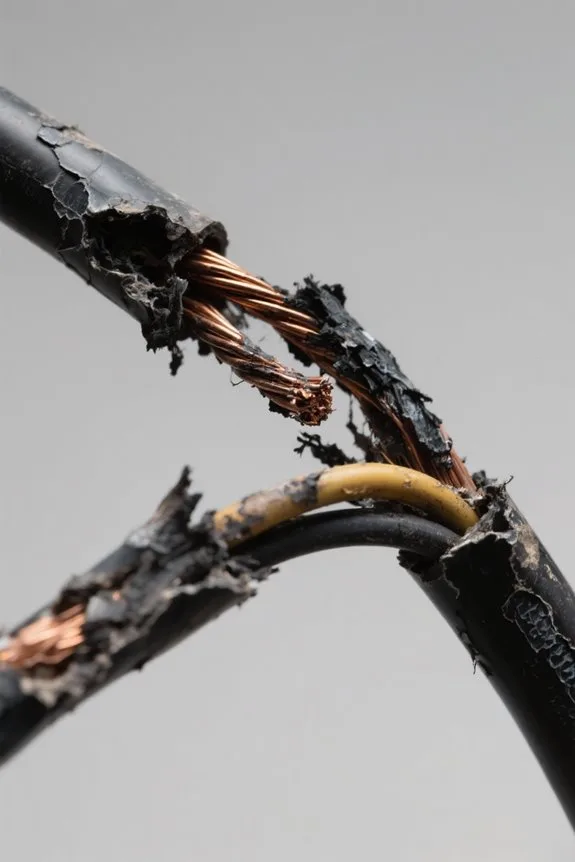
Frayed wiring on an extension cord presents a direct ignition risk, as exposed copper can arc and ignite nearby combustibles quickly. Visible frayed wiring and damaged cords create a fire hazard; follow extension cord safety, inspecting for splits, nicks, or bare wire. Disconnect and replace cords showing damage immediately; you can use replacement rated 14 AWG, 15A, 125V, UL listed E12345 online. Do not splice exposed conductors; discard the cord and buy a new grounded three-prong model, part number EC-300, for indoor use. Store cords off the floor, coil to a 6-inch diameter maximum, avoid kinks, and monitor overheat signs like melted insulation. Prompt replacement of damaged cords reduces electrical fires; replacing frayed wiring promptly helps cut about 3,300 annual home extension cord-related incidents. Consider using a certified surge protection device for connected equipment to further reduce the risk of fire and damage.

50AMP Extension Cord: This extension cord is not only designed for extending RVs, Campers, and Trailer but also an ideal cord for EVs with NEMA 14-50 (Level 2) 240V charging, it takes 6-30 hours which is faster than charging with NEMA 5-15 (Level 1) 120V charging (4 days). Also handy for plugging in bigger outdoor items like a generator or wherever you need it. You should get this "Just in case" you encounter a charging site needing more than 100FT.

𝐓𝐫𝐮𝐬𝐭𝐞𝐝 𝐔𝐒-𝐛𝐚𝐬𝐞𝐝 𝐁𝐫𝐚𝐧𝐝, 𝟓 𝐘𝐞𝐚𝐫𝐬 𝐖𝐚𝐫𝐫𝐚𝐧𝐭𝐲: 𝐓𝐞𝐫𝐚, 𝐂𝐨𝐧𝐜𝐞𝐢𝐯𝐞𝐝 𝐢𝐧 𝐭𝐡𝐞 𝐄𝐚𝐫𝐥𝐲 𝟐𝟎𝟎𝟎𝐬, 𝐂𝐮𝐥𝐭𝐢𝐯𝐚𝐭𝐞𝐝 𝐢𝐧 𝐂𝐀, 𝐚𝐧 𝐄𝐬𝐭𝐞𝐞𝐦𝐞𝐝 𝐔𝐒 𝐁𝐫𝐚𝐧𝐝 𝐰𝐢𝐭𝐡 𝐎𝐯𝐞𝐫 𝟐𝟎-𝐲𝐞𝐚𝐫 𝐋𝐞𝐠𝐚𝐜𝐲. On Aug 1, 2023, ADM won a key state contract for EV stations. Tera will expand this to more states in 3-5 years. To show product confidence, ADM offers a 5-year warranty on stations sold from Sep 15, 2023, to Sep 15, 2024.

Superior Conductivity: Our precision-crafted oxygen-free copper 14/3 wire ensures top-notch conductivity, surpassing aluminum with lower resistance and superior efficiency. Plus, it stays resilient—no cracking in heat or stiffening in the cold
How Old Cords Increase the Risk of Electrical Shock
An old extension cord can develop brittle insulation and exposed conductors that increase the risk of electrical shock. Aged sheathing and frayed wires often expose copper strands, particularly in 18 AWG conductors, raising danger. Connectors weaken over years, producing loose fittings that cause arcing, intermittent contact, and localized overheating near plugs. Many old extension cords lack surge protection, fusing, and UL listing required by current safety standards, increasing failure risk. Inspection: unplug, visually check for cuts or exposed conductors, then measure cord diameter and gauge. Recommended gauges: 12 AWG for 15–20 amp tools, 14 AWG for 13–15 amp appliances; replace any cord with frayed wires. If cord shows damage, replace with UL-listed model code UL62 immediately. Many modern UPS units include AVR technology to regulate voltage and protect connected devices.

Excellent resistance to oil and moisture. Excellent abrasion resistance. Ozone-, sunlight (UV)- and weather resistant.

ROBUST CONSTRUCTION FOR HEAVY-DUTY USE: Built with premium materials, this IronBox Electric generator extension cord features a durable NEMA L14-30P plug to L14-30R connector. Ideal for powering generators and industrial equipment, it ensures reliable performance.

Excellent resistance to oil and moisture. Excellent abrasion resistance. Ozone-, sunlight (UV)- and weather resistant.
Overloading, Daisy‑Chaining, and Other Misuse Risks
Because extension cords are rated for specific amperage, exceeding those limits causes overheating and fire risk in short timeframes. A 50-foot, 12-gauge cord (SJTW, NEMA 5-15P) handles about 1,875 watts at 15 amps. First, list each device wattage and add totals. Second, never practice daisy-chaining of cords; linking two cords creates weak connections and raises overloading and fire risk. Third, avoid using cords as permanent wiring; continuous load causes insulation damage and electrical hazard. Fourth, do not exceed 10–15 amp limits printed on cord jackets. For safe setup you can select a heavier gauge or reduce load, move devices to separate circuits, and use a single cord per appliance. These steps lower risk, prevent damage, and reduce chance of electrical fires. Follow manufacturer labels. Also, use a surge protector with at least 900J of protection to help guard equipment from power spikes.

Meets the following UL and CSA standards for Flexible Cords and Cables: UL62 and CSA C22.2 . SOOW stands for S = Service Cord, OO = Oil Resistant (both inside and outside insulation), W = Weather and Water Resistant.

Meets the following UL and CSA standards for Flexible Cords and Cables: UL62 and CSA C22.2 . SOOW stands for S = Service Cord, OO = Oil Resistant (both inside and outside insulation), W = Weather and Water Resistant.
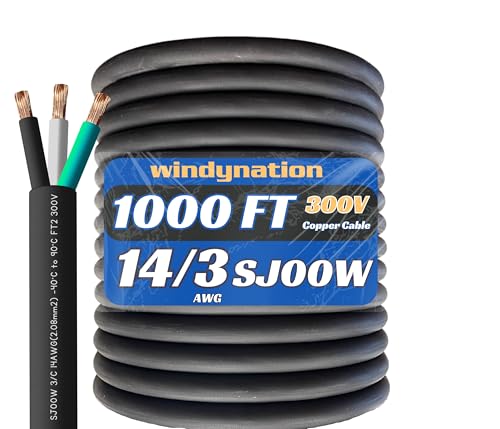
This selection includes 1,000 Feet of 14/3 SJOOW cable.
How to Inspect, Test, and Know When to Replace a Cord
After addressing load limits and daisy‑chaining risks, attention should turn to regular inspections and testing of extension cords before each use. First, inspect visually for frayed insulation, exposed wires, melted plugs, or kinks; document location and severity in a log. Use a 0-600V digital voltage tester model VT-100 to verify continuity and correct voltage at the cord end, following instructions. Before plugging, confirm plugs fit snugly in wall sockets with less than 2 mm lateral movement to reduce overheating risk and electrical hazards. Replace any cord showing damage, exposed conductors, heating, or discoloration immediately; typical lifespan is two years for frequent heavy use. If a cord fails voltage or continuity tests, or you detect intermittent power, tag out with label RPL-01 and replace it. Use job-site rated SJTW/SJTOW cords for enhanced weather and abrasion resistance.

4-Way Mounting Loop

10 AWG 4 conductor wire that made by OFC (Oxygen Free Copper). OFC wire brings lower resistance and improved heat absorption, effectively improve the conductivity to carry more current.
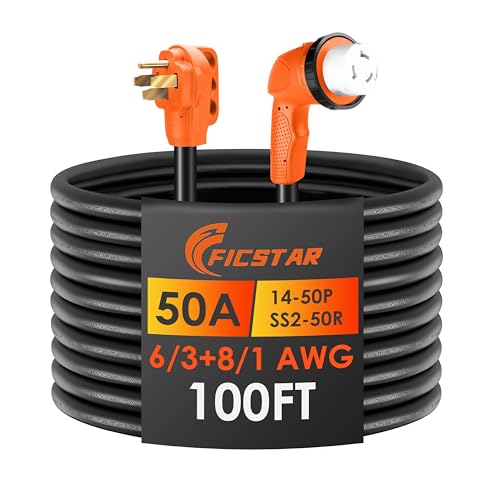
【50 Amp RV/Generator Cord 100ft】6/3+8/1 Gauge STW wire made of 100% copper coated with PVC to provide weather resistance, good conductivity, more flexible and necessary length to connect the campground or park power to your 50A RV.
Safe Storage, Proper Use, and Responsible Disposal
When not in use, extension cords should be unplugged, coiled in 15–20 cm (6–8 in) loops, and stored dry at 10–30°C and under 60% relative humidity. A technician recommends safe storage on a shelf or hook, away from sunlight, with a label such as “EXT-16A-1.5mm2” to track age. For proper use, the user must follow manufacturer wattage limits, avoid daisy-chaining, and choose cords rated for the load (e.g., 13 A, 125 V). Inspect cords weekly for frayed insulation or exposed wires and replace damaged cords immediately. To avoid overheating, do not bundle cords during use and do not run under rugs. For responsible disposal, recycle cords at electronics centers or return to retailer take-back programs to reduce electrical hazards and environmental harm safely today. Also, always verify an ETL/cETL listing or similar certification before purchase to ensure safety and compliance.
Frequently Asked Questions
Are Older Extension Cords Safe?
They are often unsafe; failing current safety standards and risking electrical fire due to frayed wires and outdated voltage ratings. Proper usage, regular visual inspection, and replacement tips recommend disconnecting and replacing worn cords immediately.
Should You Get Rid of Old Extension Cords?
Yes, like a frayed rope, they should discard old cords when unsafe; extension cord maintenance, safe storage practices and electrical safety tips recommend cord replacement frequency, adherence to proper usage guidelines reduces potential fire hazards.
How to Check if an Extension Cord Is Safe?
They perform cord inspections for frays and snug plugs, verify safety ratings, conduct voltage testing, follow usage guidelines to avoid overload, practice proper storage preventing damage, and schedule cord replacement when wear or faults occur.
What Are the Hazards of Extension Cords?
Like a neglected spark at camp, they cause electrical fire risks, shock, and equipment damage; extension cord overheating from improper usage, exceeded load capacity, insulation deterioration, and lack of surge protection all increase the danger.