As an Amazon Associate, we earn from qualifying purchases. Some links on this site are affiliate links at no extra cost to you. Our recommendations are based on thorough research and editorial judgment.

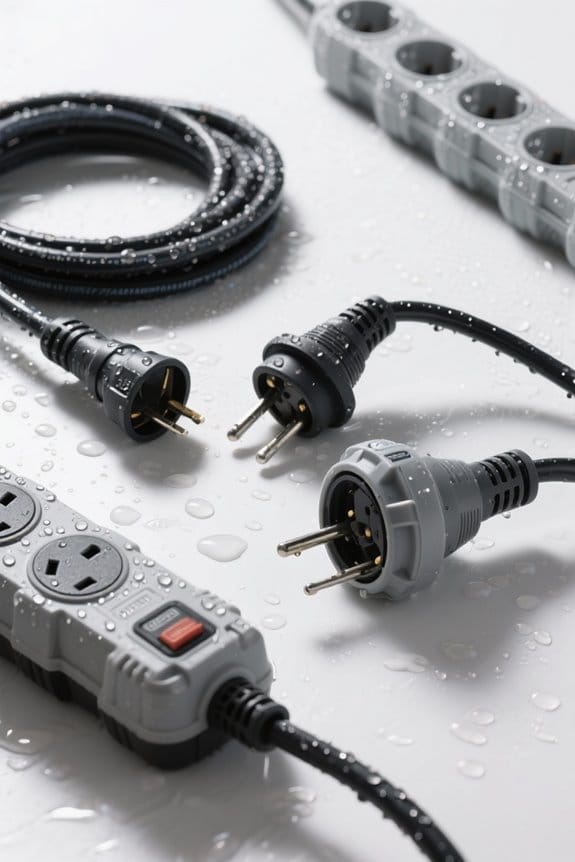
How Weather Impacts Outdoor Extension Items

Outdoor extension cords labeled SJTW or SJTOW (12 AWG, 14 AWG, 16 AWG) weather from moisture, UV, wind and heat. Water causes corrosion and shorts, frost makes insulation brittle, UV degrades jackets, winds over 25 mph can fray conductors. Inspect monthly: 1) check for cuts and grounding damage, 2) secure every 3–6 ft with clips, 3) store dry at 10–25°C. For safety you can replace damaged cords immediately. Further sections cover selection, inspection, and repair.
Key Takeaways
- Moisture and rain can penetrate jackets, causing corrosion, shorts, or fires; use SJTW-rated cords and waterproof seals.
- Prolonged UV exposure degrades insulation, causing cracks and brittleness; choose UV-resistant jackets and store indoors when not in use.
- Cold temperatures stiffen PVC-insulated cords, increasing fracture risk; use silicone or thermoplastic elastomer jackets for low-temperature flexibility.
- High heat softens insulation and increases resistance; avoid temperatures above 60°C and select appropriate jacket materials for hot environments.
- Wind and physical stress can abrade or dislodge cords; anchor every 3–6 feet and inspect after storms for cuts or loosened strain reliefs.
What Is an Extension Cord?
You may be interested
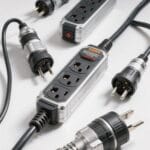
An extension cord is a flexible power cable that connects a wall outlet to appliances, usually with a plug on one end and one or more sockets on the other. A person can choose lengths of 6 ft, 25 ft, or 50 ft to match equipment. Wire gauge examples include 16 AWG for light loads, 14 AWG for medium, and 12 AWG for heavy-duty applications. Outdoor extension cords use tougher insulation materials rated for UV, water, and weather conditions, marked with code SJTW or SJTOW on the jacket. For safe selection, you can read the label, confirm amperage, select appropriate AWG, and avoid overloading beyond marked 13 A or 15 A. Install cords without kinks, keep plugs dry, and store indoors when in use. For enhanced durability in harsh outdoor environments, choose covers and cords rated for IP54/IP55 protection to guard against splashes, dust, and moisture.
What Makes an Outdoor Extension Cord Different?
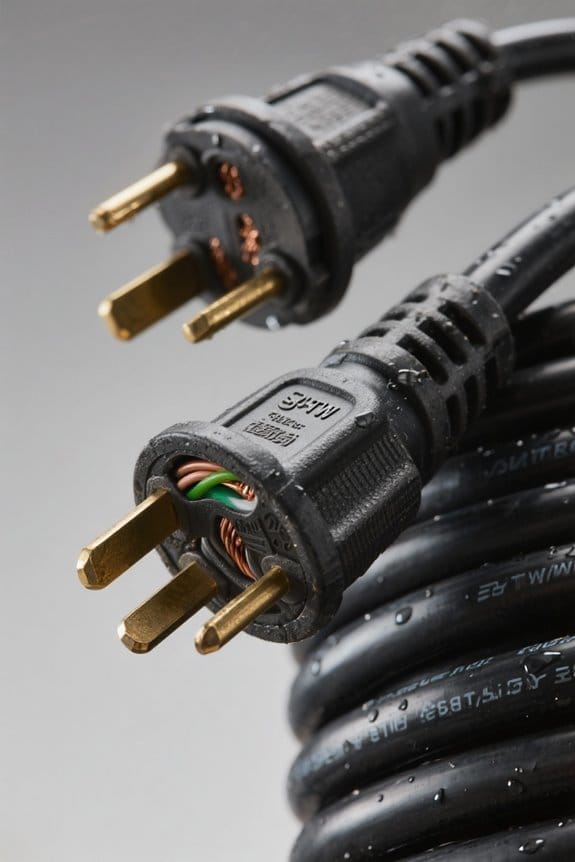
Outdoor extension cords have thicker jackets and heavy-duty copper conductors, typically 16, 14, or 12 AWG, labeled SJTW or SJTW+. These cords use a tougher insulation material, 3 mm to 5 mm thick, rated for -20°C to 60°C operation. Installers should select SJTW or SJTW+ for confirmed weather resistance and UV protection. Step 1: verify cord gauge matches device amperage, 16 AWG ≤10 A, 14 AWG ≤15 A, 12 AWG ≤20 A. Step 2: inspect waterproof seals and molded plugs before use. Step 3: route cords off the ground to reduce standing water exposure and to prevent moisture contact. Proper seals reduce water damage and electrical short risks. Labels and compliance markings confirm suitability. Store unused cords dry, coiled, in a covered location indoors. Also, verify ETL/cETL listing to ensure quality assurance and safety compliance.
How Moisture and Water Affect Cords
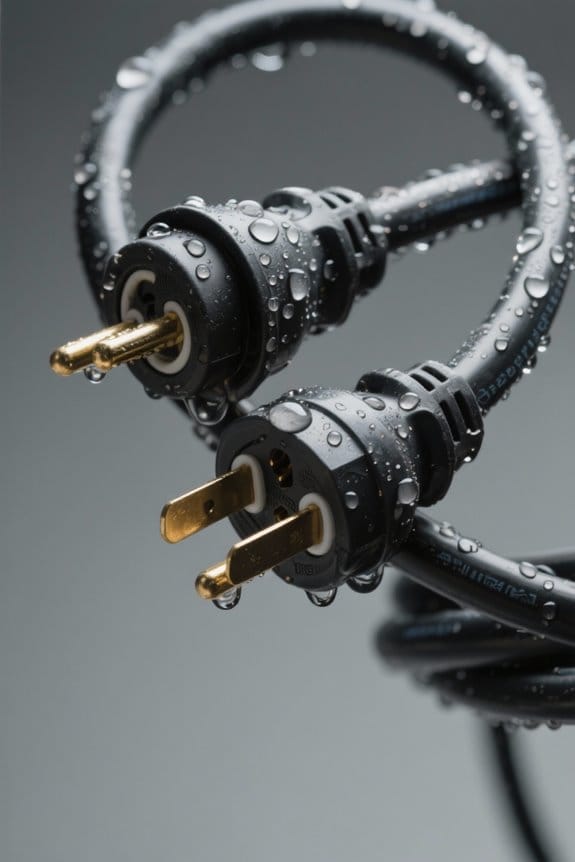
Most extension cords used outside are vulnerable to moisture, which can corrode metal contacts and cause shorts or fires if seals fail. The water resistance depends on insulation materials such as polychloroprene (PCP) or ethylene propylene rubber (EPR) rather than PVC. To prevent ingress, select cords rated IP65 or higher and with conductor sizes like 14 AWG (2.08 mm²) or 12 AWG (3.31 mm²) for heavy loads. Apply waterproofing by fitting molded boots, silicone sealant (RTV) at terminations, and using waterproof casings with gasketed covers. Inspect cords weekly for frays, cracks, or corrosion. Replace cords showing damage or resistance rise above 5% of nominal. Regular maintenance guarantees safe outdoor use and reduces moisture-related failures. Documentation should list model numbers, date installed, and test results. Also look for heavy-duty protective jackets and safety listings such as STW jackets to improve durability and compliance.
Wind and Physical Stress on Cords
Wind gusts over 25 mph can tug cords and stress connections, causing frays or conductor dislodging at exit points. The risk increases wear and tear on insulation and internal wiring during sustained gusts. Outdoor power lines and extension cord runs must be anchored every 3 to 6 feet using UV-resistant zip ties or stainless clips. Use UL-listed SJTOW 12/3 or 14/3 rated cords and check product codes before purchase. Step 1: secure cord at both ends; Step 2: add two intermediate anchors; Step 3: route away from sharp edges. Regular inspection after storms is required to detect cuts, loosened strain reliefs, or exposed conductors. Following these steps improves extension cord safety and reduces physical stress failure. Inspect labels for UL numbers, model 12345 monthly. Select cords with UV-resistant jackets to ensure protection against sunlight, moisture, and oil for prolonged outdoor use.
High Temperatures and UV Exposure
After securing cords against gusts, high heat and sunlight present different hazards that affect insulation integrity. High temperatures above 60°C can soften PVC, causing melting and wire exposure. UV rays from direct sunlight cause polymer breakdown and cracking within 6–24 months depending on intensity. Outdoor extension cords rated for outdoor use should list codes such as SJTW, SJEOW, or H07RN-F on the jacket. Preferred durable materials include polychloroprene (PCP) and ethylene propylene rubber (EPR). Inspect cords monthly, looking for cracks, stiffness, or discoloration. Replace cords that show damage; cut length to 1 m for testing, apply 500 V insulation tester per IEC 60502 when possible. Follow grounding and strain relief steps. Regular replacement preserves safety and function. Store cords shaded, off concrete, away from oil. For extra protection, consider equipment with IP65-rated enclosures to resist moisture and dust.
Cold Weather and Loss of Flexibility
The insulation on outdoor extension cords can become brittle at very low temperatures, increasing the risk of cracks and exposed wires. Cold weather reduces flexibility and can make handling and storage difficult. At or below -31°F (-35°C) many standard cords stiffen and lose performance. Inspect cords visually and by touch: step 1, unplug and flex 6 in (15 cm) sections; step 2, look for hairline cracks; step 3, measure diameter and compare to product spec, e.g., SJTW 16/3, 0.25 in (6.4 mm). Note insulation materials such as silicone and thermoplastic elastomers remain pliable; PVC stiffens. For harsh conditions, you can store cords coiled loosely and avoid sharp bends. Document findings with date and cord code for maintenance. Replace damaged cords immediately following manufacturer guidance. Choose cords with SJTW jackets for better outdoor durability.
Choosing the Right Cord for Weather Conditions
How should one choose an outdoor extension cord that resists cold, moisture, and UV damage while meeting safety codes? When choosing the right outdoor extension cord, select cords labeled SJTW or SJTW+ for weather resistance and safety compliance. Prefer insulation of polychloroprene or EPR over PVC to withstand moisture and temperature fluctuations. In extreme cold, choose cold-weather cords that stay flexible below freezing, avoiding brittle PVC. Select thicker jackets for UV resistance, for example 0.08 inch, to prevent cracking. For heavy electrical equipment use 10 AWG or 12 AWG to guarantee current capacity and reduce voltage drop. Inspect ratings, match amperage to the device, avoid cords not marked SJTW. Following these steps helps guarantee safe, durable outdoor extension cord performance across weather and temperature. Also verify ETL certification for wet locations to ensure compliance with electrical safety standards.
Maintaining and Protecting Outdoor Extension Cords
Because moisture and sunlight accelerate degradation, cord maintenance should include inspection every 30 days, elevation, sealing, and indoor storage. Inspect outdoor extension cords for frays, cracks, and exposed conductors monthly; report and replace cords with damage greater than 10 mm using replacement code EC-16A. Elevate cords at least 6 inches (15 cm) off ground during rain using hooks H-04 or cable trays CT-12. Seal connections with waterproof casings rated IP65 or gel seals WP-300 to prevent moisture damage. Coil cords loosely at 12 inch (30 cm) diameter for storage to avoid kinks and stress. Store cords indoors at 10–25°C in ventilated bins labeled “OUTDOOR CORDS”. These steps improve safety and extend service life; you can follow them as a routine. Inspect grounding pins monthly. Also, use cable jackets certified as SJTW jacket for outdoor suitability.
Frequently Asked Questions
Can I Leave an Extension Cord Plugged in Outside in the Rain?
No, they advise against leaving cords plugged in during rain; extension cords safety demands attention, outdoor electrical tips recommend unplugging, waterproof extension options exist, rain exposure concerns include corrosion, and electrical shock risks increase considerably.
Can You Leave an Extension Cord Outside All Winter?
No; 68% of outdoor cord failures occur during winter. Experts recommend extension cord safety, outdoor power tips, winter storage solutions and using waterproof extension cords, while regular electrical equipment maintenance prevents corrosion, cracking and fire
How to Cover Outdoor Extension Cords From Rain?
The homeowner uses weatherproof extension solutions such as outdoor-rated SJTW cords and protective cord covers, adds rain resistant accessories, stores elevated in outdoor cord storage, seals connections with waterproof casings, and follows electrical safety tips.
Does Cold Affect Extension Cords?
Yes, like a rope stiffened by frost, cold reduces extension cord insulation flexibility, undermines cold weather durability, creates electrical performance issues, and raises outdoor power safety concerns as temperature effects increase risk of failure considerably.