As an Amazon Associate, we earn from qualifying purchases. Some links on this site are affiliate links at no extra cost to you. Our recommendations are based on thorough research and editorial judgment.


Electrical Shock Risk Reduction in Home Use

Home electrical shock risk drops with correct parts and procedures. Install UL-listed GFCI outlets, test. Use 14 AWG cords for 15 A circuits and 12 AWG for outdoor areas. Replace frayed cords, tag damaged appliances Do Not Use, unplug immediately. Use UL-listed power strips with 600 J surge protection and breaker. If shock occurs, shut off breaker, call emergency services, perform CPR 30:2 if needed, and you can consult an electrician to learn more now.
Key Takeaways
- Install GFCI outlets in bathrooms, kitchens, garages, and outdoors and test them monthly to quickly cut power during ground faults.
- Replace frayed or cracked cords immediately and tag damaged appliances “Do Not Use” until repaired or replaced by a qualified person.
- Keep electrical devices and cords away from sinks, tubs, and wet surfaces; use outdoor‑rated cords (minimum 12 AWG) for wet areas.
- Use UL‑listed power strips with built‑in circuit breakers, avoid running cords under carpets, and stay below 80% of circuit capacity.
- Schedule regular inspections and hire a licensed electrician for panel upgrades, faulty wiring, or any complex electrical repairs.
Why Electrical Safety Matters at Home
You may be interested
A household should treat electrical safety as a primary maintenance task because electricity simplifies tasks but can cause severe injury or death. The household is advised to reduce electrical shock by addressing faulty wiring, outdated panels, and improper installations. Known data show thousands of fires and hundreds of deaths annually, and about $1.6 billion in property damage. A clear plan has steps: 1) record panel ratings (120/240 V, 20 A breakers); 2) note wire gauge (12 AWG for 20 A); 3) label circuits per NEC 2020. For any complex electrical work, hire a licensed electrician. To lower risk of shock, replace panels older than 30 years and install GFCI outlets per local code. Safety tips include regularly keeping cords visible and avoiding overloaded circuits. For outdoor or high-load appliances, consider using heavier cords such as 12 AWG to reduce voltage drop and overheating.
Inspecting and Maintaining Cords and Appliances
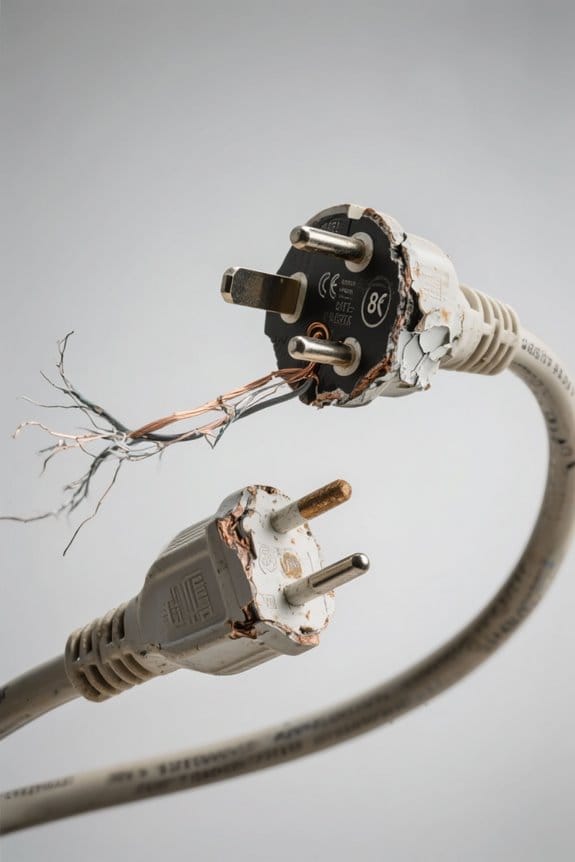
Several times per year, homeowners should inspect all power cords, extension cords, and appliance leads for fraying, exposed conductors, or cracked insulation. A visual check should include 12–18 inch sections, connector housings, and strain reliefs. Inspect electrical cords for 18 AWG or 16 AWG markings and UL-listed labels. If damage is found, unplug the appliance and tag it Do Not Use. Replace cords with identical voltage and current ratings, for example 120V, 15A, or code IEC C13 to NEMA 5-15P replacement sets. Store cords coiled loosely to a 6–8 inch loop diameter, dry and off concrete. Do not run cords under rugs. Test appliances monthly for heat, noise, and firm plugs. These steps reduce electrical shock and increase long-term safety. Maintain records of inspection. When replacing cords, choose 14 AWG or 16 AWG cords rated for 10–15A to prevent overheating and ensure a grounded NEMA 5-15 connection where applicable.
Safe Use of Extension Cords and Power Strips
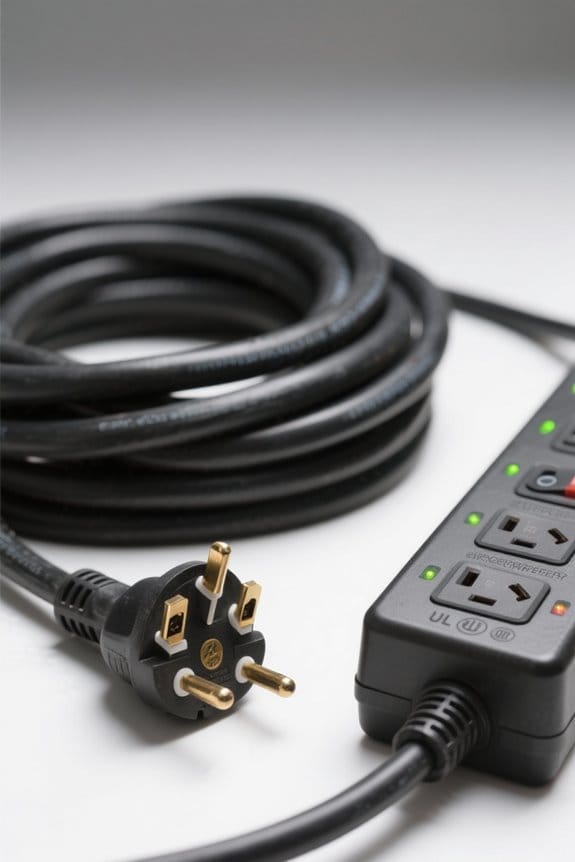
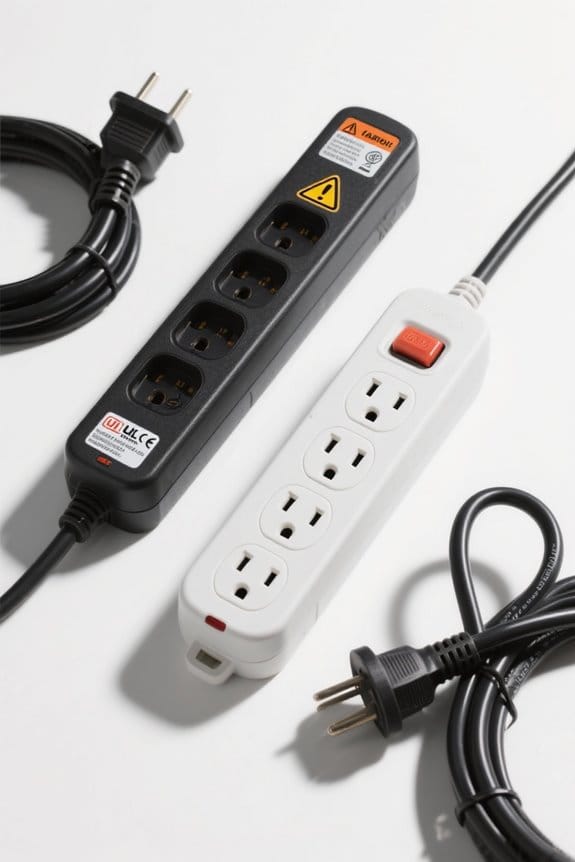
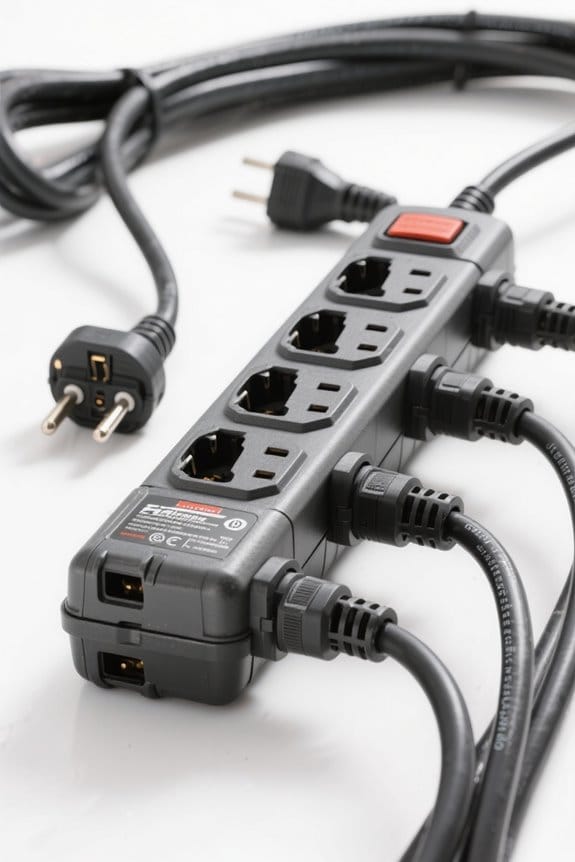
After regular inspection and maintenance, homeowners should follow specific procedures for extension cords and power strips to reduce electric shock and fire risk. Homeowners must discard damaged cords showing frays, exposed conductors, or melted insulation. Use extension cords rated 14 AWG for 15 A loads, and choose UL-listed multi-outlet power strips with built-in circuit breaker (example model UL-PSX-100). Never run cords under carpets or tape them to floors. Do not plug space heaters into power strips or extension cords. Plug major appliances only into wall outlets. Keep cords out of children’s reach, and always pull the plug, not the cord. To prevent overload, sum device amperage and stay under 80% of circuit capacity. When in doubt, contact a qualified electrician for inspection. For higher-demand tools consider using 12 AWG or thicker cords to reduce voltage drop and improve safety on longer runs.
Bathroom, Kitchen, and Pool Electrical Precautions
Because wet conditions increase current flow, bathrooms, kitchens, and pool areas must use GFCI-protected outlets installed at 120 volts and tested monthly. Install UL-listed GFCI devices and press TEST then RESET monthly to confirm function. Keep all electrical devices, including hair dryers and blenders, at least 3 feet from sinks and tubs to minimize risk. Never operate devices with wet hands, because water lowers skin resistance and creates electrical hazards. Inspect cords and plugs weekly for damaged insulation or frayed wires and replace defective electrical or home electrical equipment immediately. Use outdoor-rated extension cords, 12 AWG minimum, near pools and patios and route them away from walk paths. You can call a licensed electrician for repairs or code compliance checks within 48 hours promptly. Consider using surge protectors with a minimum of 600 joules of protection for critical devices in areas prone to electrical surges.
Safe Practices During Home Repairs and DIY Projects
Work in wet rooms and around GFCI outlets leads naturally to safe practices when doing home repairs and DIY projects. Before cutting or drilling, use a stud and electricity detector to locate electrical wires and mark their path first. Always switch off the power at the breaker box or unplug devices, this prevents shock and accidental energizing of circuits again. Keep a power strip with built-in circuit breaker rated 15A 120V near the work area to reduce the risk of overload. All electrical tools should be inspected by a qualified technician for frayed cords, missing ground pins, and insulation safety before use. If unsure about wiring, consult a master electrician to avoid electric hazards, and have an assistant cut power in case of emergency. Consider installing telephone and DSL surge protectors with low clamping voltage near modems and phones to guard against line surges.
Childproofing and Outlet Safety Measures
Many households should replace standard outlets near children with tamper-resistant (TR) receptacles, model Leviton 1225, using a 15 Amp, 125V rating. Install tamper-resistant receptacles in all outlets, following local code and turning off the circuit breaker. Use Ground Fault Circuit Interrupters in kitchens, bathrooms, and outdoor play areas to reduce the risk of electric shock. Regularly inspect for damage by checking for discoloration, warmth, loose faceplates, or sparking, and replace faulty wiring immediately. Apply outlet covers on unused receptacles, selecting snug-fit covers compatible with Leviton 1225, 15 Amp. Teach children basic childproofing and electrical safety, explain dangers of inserting objects in electrical outlets. Schedule a licensed electrician to test grounding and verify all outlets meet safety standards at least every five years or sooner. For temporary care during repairs, consider using Gaffer tape to secure cords away from play areas, ensuring it doesn’t cover ventilation or create tripping hazards.
What to Do in an Electrical Emergency
Immediately shut off power at the circuit breaker, labeled or identified, to remove shock risk before approaching the victim. The rescuer should switch the main power breaker to OFF and, if applicable, remove a 120V or 240V plug only after power loss is confirmed. Do not touch the victim while contact with the electrical source persists; use a dry wooden broom handle or rubber gloves rated ASTM D120 to separate them. Call emergency services and request medical help, describing electrical shocks and visible burns. If unresponsive and trained, perform CPR at 30 compressions to 2 breaths, 100–120 compressions per minute. Document electrical injuries, note breaker IDs, appliance model numbers, and report the incident to a qualified electrician for full electrical system inspection, and recommendations. Additionally, ensure home circuits use surge protectors with resettable circuit breakers to help prevent repeated hazards.
Frequently Asked Questions
How to Prevent Electric Shock in the Home?
Homeowners prioritize electrical safety by scheduling regular circuit maintenance, performing appliance inspection, investing in wiring upgrades and surge protectors, installing grounded outlets, enforcing child safety, and practicing emergency preparedness effectively to reduce electric shock risks.
How Would You Minimize the Risk of an Electrical Shock?
They minimize electrical shock risk by installing ground fault devices and functional circuit breakers, maintaining electrical insulation, conducting regular safety audits, using proper equipment, surge protectors and outlet covers, and scheduling routine timely electrical maintenance.
Why Do I Keep Getting Shocked by Everything in My House?
They keep getting shocked because static electricity causes discharges, synthetic materials friction and humidity levels impact enhance buildup, damp environments and appliance grounding issues, electrical wiring age and voltage fluctuations effects, alongside personal health factors.
Does Wearing Rubber Slippers Prevent Electric Shock?
No, rubber slippers do not prevent electric shock; rubber slippers effectiveness depends on footwear insulation properties. Shocking experiences analysis cites static electricity factors, slippery surfaces risks, electrical safety myths, best materials options, emergency procedures importance.