As an Amazon Associate, we earn from qualifying purchases. Some links on this site are affiliate links at no extra cost to you. Our recommendations are based on thorough research and editorial judgment.

Gaffer Tape and Electrical Safety Precautions

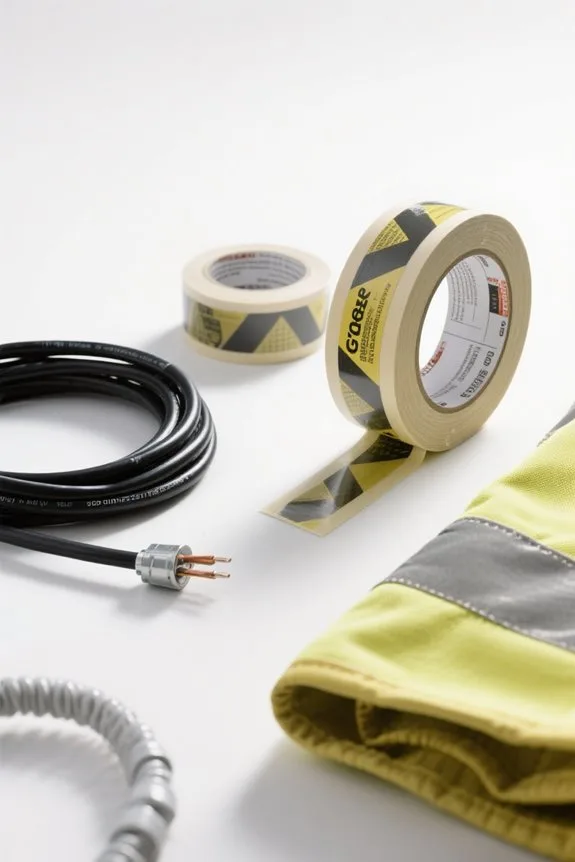
Gaffer tape (GAF-48MM25M, 48 mm × 25 m) is a matte, fabric tape for temporary cord securing, not electrical insulation. It must not cover live conductors or replace UL-510 rated electrical tape. For secure runs, press flat with 2-inch overlaps every 3 inches along the cable path. Inspect weekly after de-energizing circuits, clean with isopropyl alcohol, and replace if brittle. You can switch to 3/4 in × 60 ft UL-510 tape for insulation; further details follow.
Key Takeaways
- Gaffer tape is not rated for electrical insulation and must never be used to insulate live conductors.
- Use gaffer tape only to secure cords temporarily; do not rely on it to repair or cover damaged insulation.
- For electrical repairs or insulation, replace with UL-510–rated electrical tape (PVC, rubber adhesive) sized appropriately.
- Inspect taped cable runs weekly, de-energize circuits before inspection, and document findings and maintenance actions.
- Avoid gaffer tape in high-temperature or moist environments, as adhesive can fail or become conductive.
What Gaffer Tape Is and What It Is Not
You may be interested
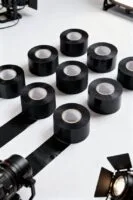
Gaffer tape is a high-strength, fabric-based adhesive tape used for temporary cord securing in film and theater. It serves for secure cords, marking and labeling, and temporary applications where residue-free removal is important. It features a non-reflective matte finish to reduce glare. It is not electrical insulation and lacks specific voltage capabilities; do not wrap live conductors. Typical roll size is 48 mm × 25 m; common product code GAF-48MM25M. Heat resistance is limited to about 80°C continuous. Installation steps: 1) measure cord run in meters; 2) cut tape length 5–10 cm longer than required; 3) tear by hand along weave; 4) press edges firmly. For electrical safety, select approved insulating tape with rated voltage instead. Consult manufacturer datasheet GAF-TS1 for exact specifications online. For applications requiring stable supply and device protection, consider equipment that provides surge protection according to AVR specifications.
Electrical Hazards When Using Gaffer Tape
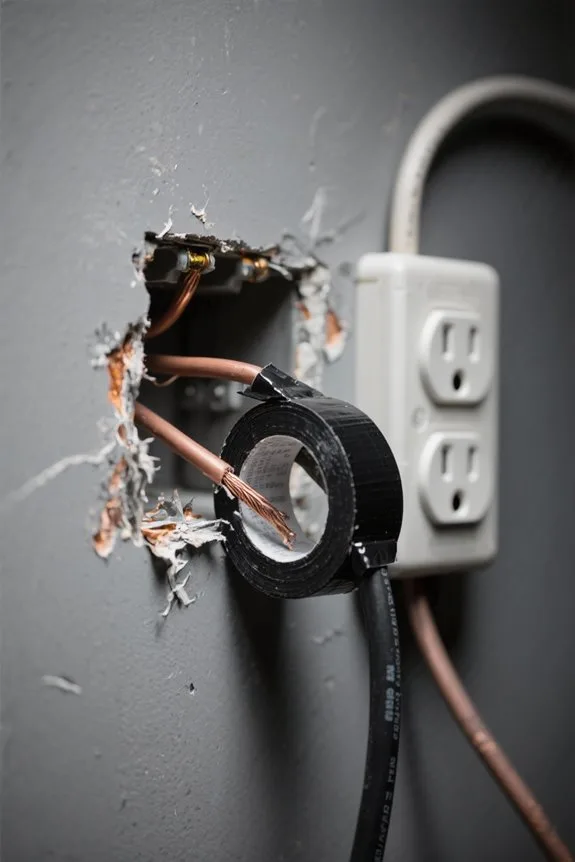
Although often used for cord securing, gaffer tape is not rated for electrical insulation and can create hazards. Gaffer tape lacks electrical insulation and its insulation properties differ from UL-rated vinyl tape. It can cause electrical hazards, risk of electric shock, and shorts when applied to live conductors. The adhesive can become conductive with moisture and can transfer contamination to electrical components. In high-temperature environments above 200°F the tape may melt and fail. For safety, technicians should inspect use and avoid improper usage. Steps: 1) De-energize circuit to 0 V. 2) Remove gaffer tape and replace with UL-510 or product code ET-200 electrical tape. 3) Label replaced areas with date and inspector initials. Follow inspection every 30 days. Document all actions in maintenance logbook. Also consider using fixtures and materials with an IP66 rating where moisture resistance is required to reduce the risk of tape adhesive becoming conductive.

【Kapton Tapes】 Made with DuPont HN Kapton films and high temperature silicone adhesive.

RELIABLE PERFORMANCE: Provides a protective jacket and primary electrical insulation for splices up to 600V in harsh indoor, extreme, and exposed outdoor applications

Conductive acrylic adhesive
Safe Techniques for Securing Cables and Cords
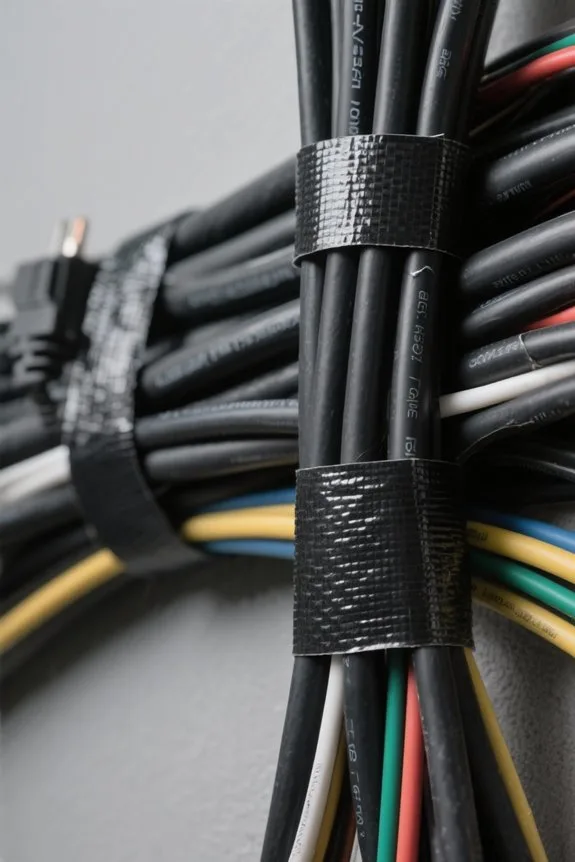
Secure cables and cords along designated pathways using gaffer tape for non-electrical strain relief, keeping tape taut and flat for 2-inch overlaps. The technician selects Gaffer tape model GT-2 for strong adhere and low residue, and ET-1 electrical tape for insulated repairs only. Step 1: begin securing cables in channel, space at 3 inches, align parallel to wall. Step 2: press tape flat, overlap by 2 inches, and smooth to remove air pockets. Step 3: label runs with color coding to identify circuits and reduce confusion with electrical wires. Perform inspection weekly, check for lifting, fraying, and insulation breaches. Replace compromised tape immediately. These safe techniques reduce tripping hazards and maintain orderly cable routing. They log actions on GT-2 sheet, noting date and initials. Select an appropriate cord gauge like 14 AWG or 12 AWG to ensure sufficient ampacity for higher-power units.

MADE IN USA - 11 mil thick fluorescent green matte vinyl cloth gaffer's tape with rubber adhesive conforms well to irregular surfaces for labeling, and temporary securing and sealing applications that will conform well to irregular surfaces, and will not twist or curl during application. Fully WATERPROOF to protect your equipment or cables. Our Gaffers Tape Rolls come in 60 FEET long!
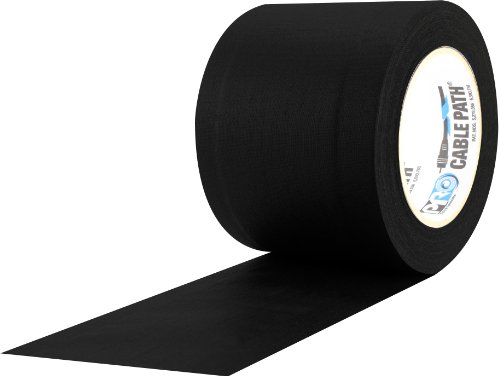
11-mil thick black vinyl-coated cloth gaffer's tape has rubber adhesive on each edge of one side and a smooth, nonstick area between the edges to advance cable and wire

Black 11-mil Premium Heavy-Duty Professional Gaffers Tape.
When to Choose Electrical Tape or Other Insulation
When should electrical tape be chosen instead of other insulation products for cord repairs and wire splices in typical building systems? Electrical tape, typically PVC with rubber adhesive, is the correct choice to insulate electrical wires in low-voltage electrical applications. Use 3/4 in x 60 ft rolls rated UL 510 such as 3M Scotch Super 33+ for repairs and heat resistance. Gaffer tape should not be used to insulate wiring because it lacks dielectric rating; reserve it for securing cords and marking. When encountering damaged wires, you can wrap minor abrasions with three layers overlapping by 50 percent, but replace cords with exposed conductors. For insulation on live wires, you can choose the appropriate tape by voltage, temperature, and environment to prevent electrical hazards. For added assurance in demanding conditions, select products and cords that comply with recognized standards like UL 510.

Resists abrasion, moisture, alkalis, solvents and acids

Super brightness: Combo beam with triple row and nest reflector cup design in the middle for extreme light efficiency

High brightness: Advanced LED chips and clear PC lens, powerful and bright light beam, let you see the forward dark road clearly
Inspection, Maintenance, and Replacement Practices
Before inspecting taped connections, technicians must de-energize circuits and verify power is off with a rated tester, model Fluke T5-600. Inspection begins with a visual scan for signs of wear, fraying, adhesive failure, or cuts. Maintenance steps: remove one to two inches (25–50 mm) of tape to inspect underlying insulation, clean surface with isopropyl alcohol 70%, then apply new tape to secure connection. Replacement triggers: any loss of adhesion, exposed conductor, or brittleness. Use electrical tape PVC three-quarter inch (19 mm) width, or gaffer tape for temporary runs, product code GFT-50, replacing gaffer tape every thirty days in high-traffic areas. Document maintenance and replacement dates for safety and compliance to reduce electrical hazards. Record inspector initials, date, circuit ID, and 300 dpi photos in logbook monthly. For versatile applications and reliable results, consider using 2-inch gaffer tape, which is commonly available and well-suited for live events and studio use.
Frequently Asked Questions
Is Gaffer Tape Safe for Electrical Wires?
No, ironically, experts disagree. Gaffer tape applications, Electrical wire insulation, Gaffer tape vs. duct tape, Safety industry standards, Temporary repairs, Tape durability comparison, Effectiveness of gaffer tape, Electrical safety tips, Gaffer tape features, Common misconceptions.
Does Gaffer Tape Conduct Electricity?
No, it does generally not conduct electricity; Gaffer tape applications, Gaffer tape uses, Tape adhesion properties, Gaffer tape durability, Temporary repairs, Electrical tape comparison, Electrical insulation standards, Industry specific tapes, Safety regulations, Gaffer tape alternatives.
Is It Safe to Put Tape Over an Electrical Outlet?
Unsafe to tape an electrical outlet. Outlet cover recommended; tape types and tape usage cause electrical hazards, violate safety standards, complicate home inspections, reduce outlet protection, hinder cord management, impede DIY projects, electrical maintenance altogether.
Is Gaffers Tape Flammable?
Not nonflammable; it can ignite: flame resistance properties, gaffer tape applications, fire safety guidelines, tape material composition, high temperature tolerance, professional usage standards, gaffer tape alternatives, flammability testing methods, workplace safety protocols, tape durability analysis