As an Amazon Associate, we earn from qualifying purchases. Some links on this site are affiliate links at no extra cost to you. Our recommendations are based on thorough research and editorial judgment.

Injury Prevention With Proper Extension Cord Use

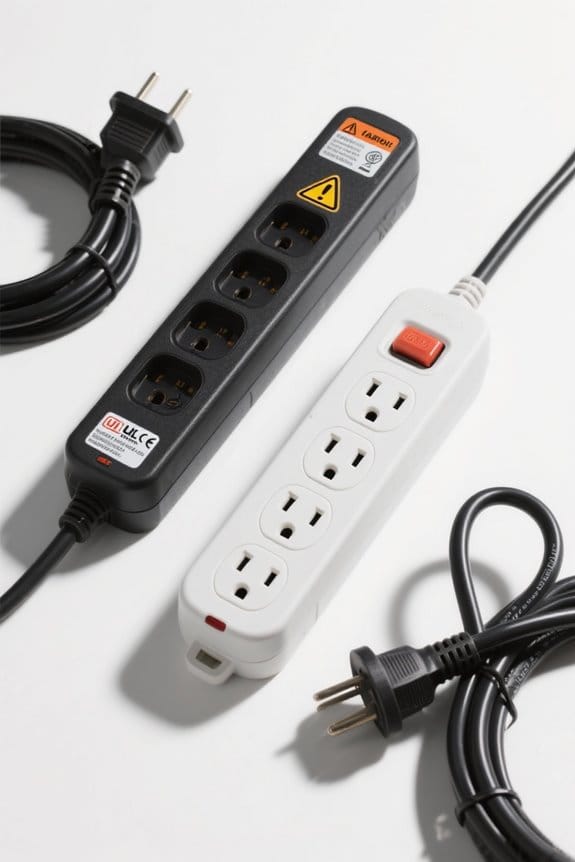
Extension cord safety reduces trips, shocks, and fires; 3,300 U.S. home fires involve cords annually. Select a UL-listed SJTW 12 AWG cord with NEMA plug code, match appliance amperage, and limit load to 80% capacity. Inspect for frays, exposed wires, missing ground prongs; replace damaged cords, route alongside walls or overhead, secure every 4 feet. You can use low-profile ramps and rated cord covers for crossings; follow the steps below to find additional protective measures.
Key Takeaways
- Inspect cords before each use and discard any frayed wires, exposed conductors, or broken prongs.
- Match cord amperage and plug type to the appliance, and use no more than 80% of the cord’s capacity.
- Use only outdoor-rated (W, e.g., SJTW) cords for exterior work and keep all cords dry and elevated from snow or water.
- Never run cords under rugs, through walls, ceilings, or doors; avoid permanent wiring substitutes.
- Route cords along walls or overhead, secure every ~4 feet, and use low-profile covers for pedestrian crossings.
Extension Cord Injury Statistics
You may be interested
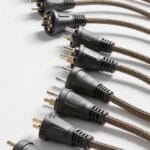
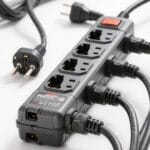
About 4,000 emergency room visits each year are attributed to electric extension cords in the United States. Annual statistics show 4,000 extension cords injuries treated in emergency rooms, with nearly half from tripping. The CPSC reports about 3,300 residential fires caused by extension cords, a significant electrical fire hazard. Those fires produce about 50 fatalities and 270 injuries each year, per CPSC estimates. Common causes include short circuits, overloading, damage, and misuse. For extension cord safety tips select 12-gauge, 3-conductor cords rated 15 A, UL-listed model XX-135, and avoid improvised repairs. Step 1: inspect insulation for cuts longer than 5 mm. Step 2: replace cords with visible copper, exposed wires, or overheating signs. Regular documentation and reporting improve awareness and reduce preventable incidents overall. Prefer armored cords with 12 AWG conductors and SJTW jackets for outdoor use to reduce the risk of damage and excessive voltage drop.
Common Mistakes to Avoid
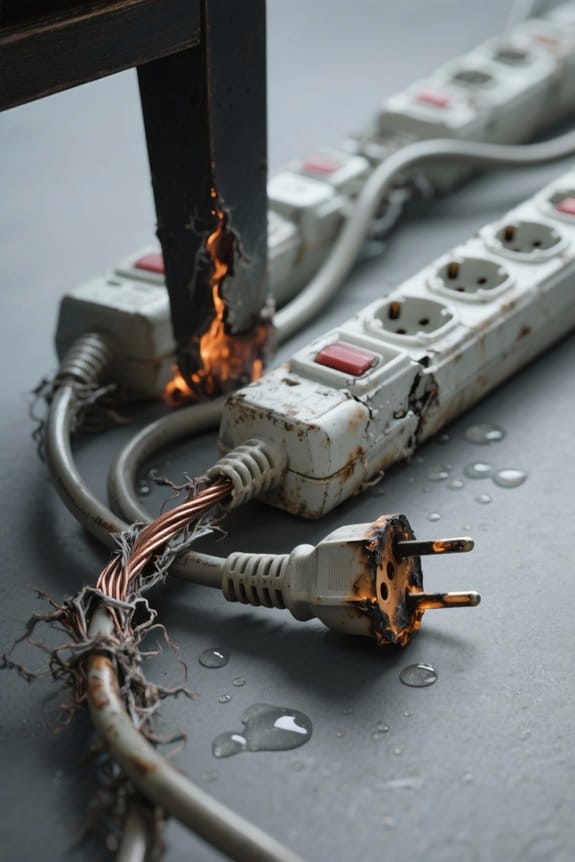
If users overlook common mistakes, extension cords can overheat, short, or cause electrocution, leading to fires or injuries. Use Extension Cords; inspect the cord prior to use, look for frays, exposed wires, or missing three-prong plugs, discard damaged cords. Do not run electrical cords away under rugs, through walls, or ceilings, and avoid covering them which creates a tripping hazard and fire risk. Recognize Safety; fires originate in extension cords when overloaded or covered, so keep cords dry, never contact water or snow. Maintain ground prongs intact, never remove them, you can follow manufacturer amperage ratings, eg NEMA 5-15P, 14 AWG for up to 15 A. Avoid indoor extension cords for outdoor use when using generators, and never cover cords with rugs which trap heat. Consider joule ratings to assess surge energy absorption when protecting sensitive electronics.
Recommended Products

ETL Listed and Trusted: 25 ft extension cord rated 13 Amps, 1625 Watts and 125 VAC; Male NEMA 5-15P and female NEMA 5-15R; It is ETL/cETL Listed; Ensuring its compliance with strict safety standards; Each outdoor extension cord passes a 2500V high voltage test before leaving the factory to ensure safety; Before use, please check the rated voltage, current, and power of the appliance to avoid exceeding 125V, 13A, and 1625W

Lighted End and Extra Size for Safety: The power socket indicator light shows that power is on and the heavy duty extension cord 25 ft is ready for work; Extra size male NEMA 5-15P power plug and female NEMA 5-15R power socket for safety; It is thicker and more durable than the normal type on market and has high insulation safety performance to prevent electric shock; ETL/cETL listed for safe approval

ETL Listed and Trusted: 10 ft extension cord rated 13 Amps, 1625 Watts and 125 VAC; Male NEMA 5-15P and female NEMA 5-15R; It is ETL/cETL Listed; Ensuring its compliance with strict safety standards; Each outdoor extension cord passes a 2500V high voltage test before leaving the factory to ensure safety; Reliability and efficiency outdoor extension cord waterproof are capable of meeting most electrical needs; Please note that the “Indoor” label on the product is only a partial identifier; This product is actually safe for outdoor use as its external power cord is made of durable SJTW material; offering excellent outdoor abrasion resistance; moisture resistance and weather resistance
Choosing the Right Extension Cord
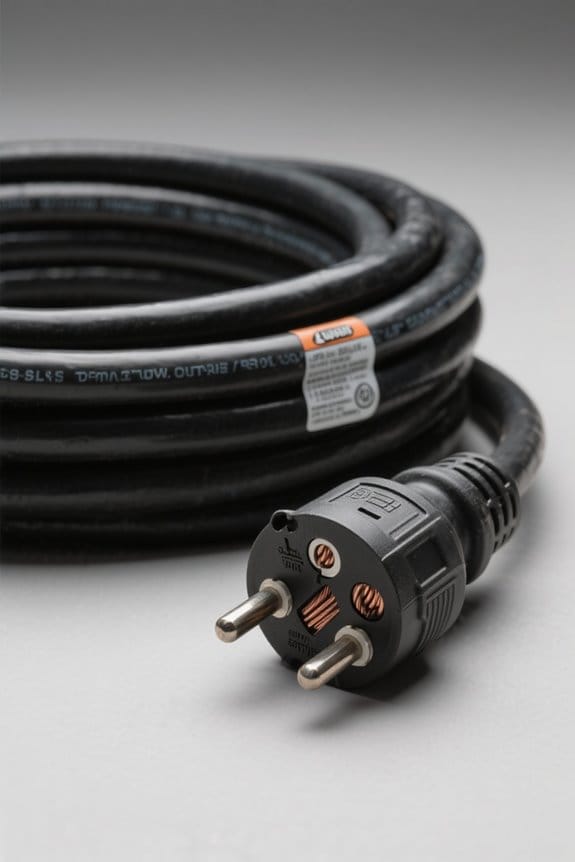
When selecting an extension cord, users should first verify the cord carries a UL mark and the correct NEMA plug code. The purchaser should match the cord’s electrical rating to the tool, for example 15 A/120 V or 20 A/125 V, to prevent overheating and fire. For outdoor use choose cords marked with a W in the code, such as SJTW. Guarantee the cord diameter meets or exceeds the appliance cord: 16 AWG (1.3 mm) for 13 A, 14 AWG (1.63 mm) for 15 A, 12 AWG (2.05 mm) for 20 A. Confirm heavy insulation for weather resistance. Extension cords are for temporary basis use only and must not replace permanent wiring. These checks improve safety and reduce risk during installation and safe storage. Also, for outdoor RV use, consider cords with an IP65 rating and 10 AWG or thicker conductors to minimize voltage drop and ensure safety.
Recommended Products

High Quality: 12/3 extension cord 25 foot, 15 amp, 125 volt, 1875 watt, NEMA 5-15P to NEMA 5-15R, ETL/cETL listed; The 3 outlet extension cord outdoor has 3 way plug outdoor; Heavy duty extension cord with multiple outlets can power multiple appliances at the same time; Making maximum use of existing resources

Lighted One End and Extra Size for Safety: LED power indicator confirms the 25-foot heavy-duty extension cord is powered and ready for use; oversized NEMA 5-15P male plug & NEMA 5-15R female socket enhance safety; rated 15 Amps, 1875 Watts, 125 VAC — ideal for indoor/outdoor use

ETL Listed and Trusted: 15 ft extension cord rated 13 Amps, 1625 Watts and 125 VAC; Male NEMA 5-15P and female NEMA 5-15R; It is ETL/cETL Listed; when using it for the first time; if 15ft extension cord feels stiff; this is a normal phenomenon caused by the tight packaging during manufacturing; don't worry; simply lay it flat at room temperature; 15 foot extension cord will naturally regain its flexibility and lie flat after a short period
Safe Usage and Maintenance Practices
Although inspections are simple, users should inspect extension cords before each use for frayed wires and broken prongs. Inspectors check insulation, exposed conductors, and connectors against UL listing labels such as UL 62 or CSA C22.2 No. 49. Verify the cord rating meets or exceeds the amperage of devices, for example 15 A at 125 V. To avoid overloading, plug no more than 80% of the cord capacity, and do not exceed 12 A on a 15 A cord. Never use indoor extension cords for outdoor activities; outdoor cords are marked SJTW or SJEOOW. For proper usage, unplug before cleaning and keep dry. Store extension cords coiled loosely, do not kink, and replace cords with visible damage. These maintenance practices reduce fire hazards. You can follow these steps. Also, when replacing cords choose at least 18 AWG wire to ensure adequate current capacity.
Recommended Products
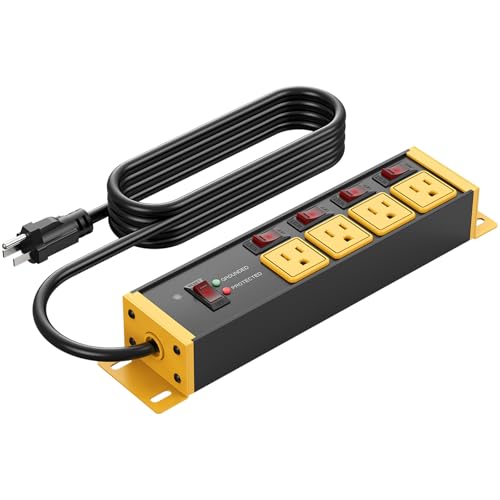
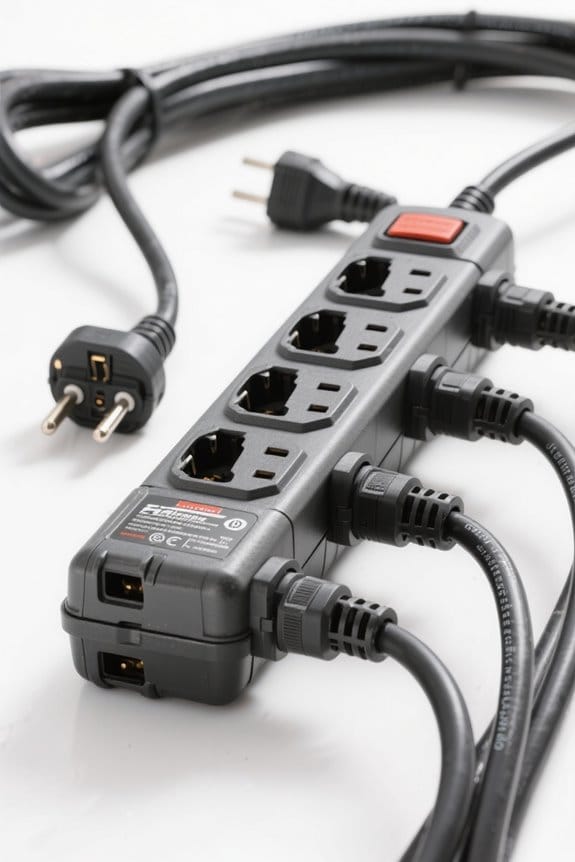
Heavy duty power strip 20 amp with 4 outlets and individual switches, 5-20R, 6-20R and come with standard 3 prong 5-15P plug. Wall mount design, can be applied to high power industrial equipment.
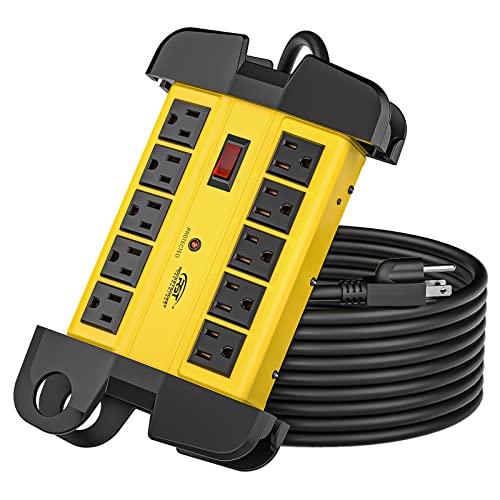
--Sturdy, extruded aluminum housing stands and Surge Protection constructed. CRST Industrial Power Strip is perfect for construction site, labs, and other harsh environments.

12 IN 1 Surge Protector Power Strip: Features 8 AC outlets, 2 USB-C port, and 2 USB-A ports to give everything you need to power up all of your electrical appliances. The 4-side layout prevents power outlet obstruction, allowing simultaneous use of multi USB outlets and AC ports. Designed with extra space (1.65 inch) between outlets to accommodate even the largest plugs.
Managing Trip Hazards and Cord Routing
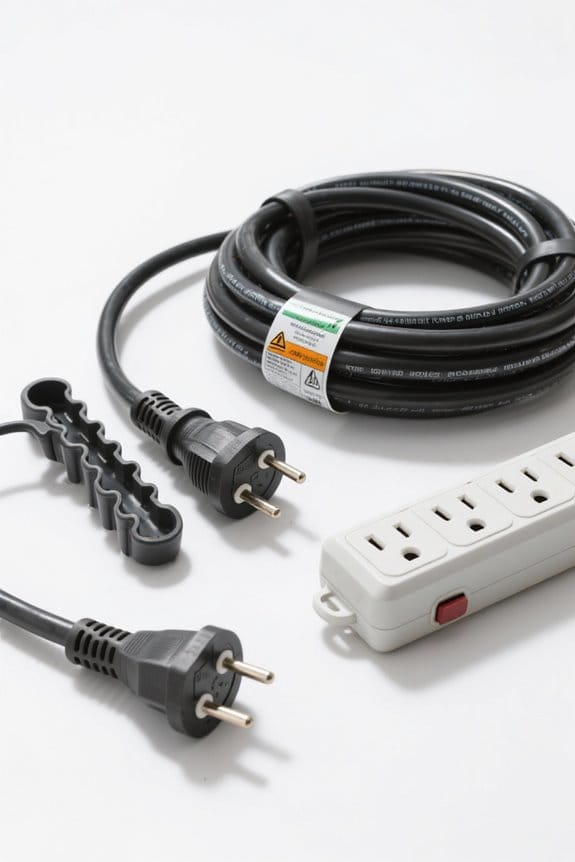
Many walkways and work areas should have extension cords routed alongside walls or overhead to reduce trip risks and equipment wear. Install cord covers rated for pedestrian traffic, typically 2 inches high and 3 inches wide. Secure cords every 4 feet with straps or clips designed for extension cord management, part number SC-04. At crossings, place low-profile ramps or covers and anchor with non-slip tape, manufacturer torque 20 in-lb. Conduct visual inspection before use, checking for cuts, exposed wiring, overheating, tripping hazards, and plug damage in three checkpoints. Replace cords showing wear immediately, decommission if insulation loss exceeds 25 mm length or conductor strands break. Maintain routing maps and inspection logs with dates, inspector initials, and serial codes for each equipment item. Select cords with SJTW jackets for outdoor suitability and improved durability.
Recommended Products

High-Quality Floor Cable Protectors, made from flexible pvc, supplied coiled - uncoils to lay flat (no need to add to boiling water to uncoil). Can be easily cut to size if shorter wire cover lengths are required, cut using sharp utility knife or heavy duty scissors.

High-Quality Floor Cable Protectors, made from flexible pvc, supplied coiled - uncoils to lay flat (no need to add to boiling water to uncoil). Can be easily cut to size if shorter wire cover lengths are required, cut using sharp utility knife or heavy duty scissors.
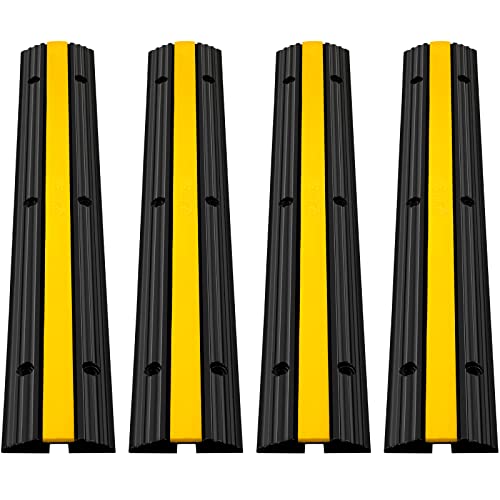
4 Packs 1 Channels: Amount: 4 PCs; Product size: 40'' L x 6" W x 1.2" H/ 102 x 15.5 x 3 cm; Single channel size:1.1" W x 0.8" H/ 2.8 x 2 cm; Cables protector ramp keeps various wires from getting damaged by foot traffic and vehicles. What's more, the speed bump is ideal for slowing down the speed of cars or trucks to create a secure driving environment for roads, parking lots, and more.
Frequently Asked Questions
Will Homeowners Insurance Cover Damage Caused by Extension Cord Fires?
Sometimes homeowners’ insurance covers extension cord fires, but liability hinges on negligence issues and policy specifics; insurers evaluate fire damage, insurance limits, homeowner policies and liability claims, so property protection and fire safety documentation matter.
How Do I Dispose of or Recycle Old Extension Cords Safely?
They use extension cord recycling and safe disposal methods, eco friendly alternatives, follow hazardous materials guidelines and environmental regulations, consult local recycling centers, electronic waste management, consider cord donation options, community workshops, reducing environmental impact.
Are Extension Cords Safe to Use With Portable Generators?
Like a lifeline over rough seas, they’re safe if generator safety is prioritized: extension cord ratings match load capacity, proper grounding, surge protection, outdoor usage cords, cord maintenance, generator placement, overload protection, avoiding heat generation.
Can Extension Cords Interfere With Medical Equipment or Implantable Devices?
Yes, extension cords can cause medical device interference; follow electrical safety protocols, check cord ratings, compatibility concerns, assess implantable device shielding, power supply stability, electromagnetic interference, proper usage guidelines, risk assessment strategies, patient safety considerations.
Do Different Countries’ Voltage Standards Affect Extension Cord Selection?
Yes. Different countries’ voltage standards affect extension cord selection; Voltage compatibility and Cord ratings must match Country regulations and Plug types, considering Wire gauge, Safety certifications, Surge protection, Heat resistance, Cord length and Appliance requirements.