As an Amazon Associate, we earn from qualifying purchases. Some links on this site are affiliate links at no extra cost to you. Our recommendations are based on thorough research and editorial judgment.

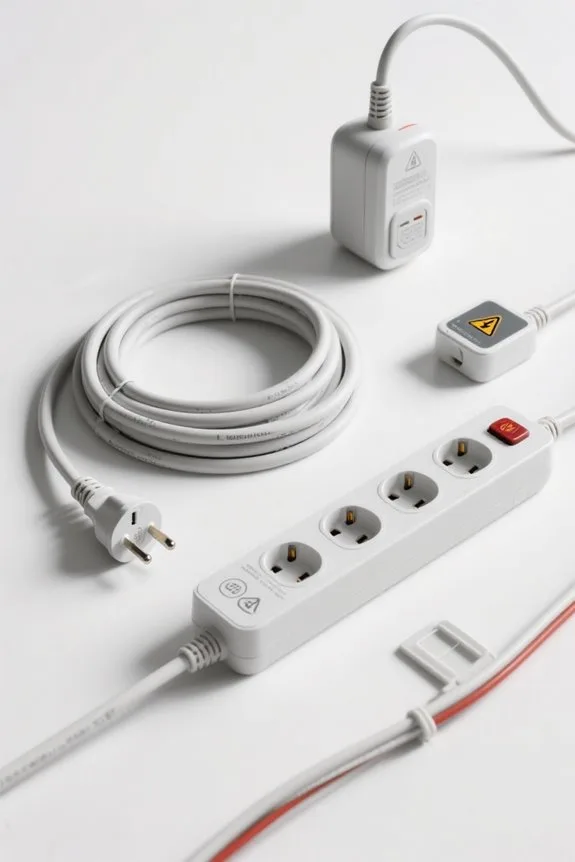
Extension Cord Indoor Safety Guidelines

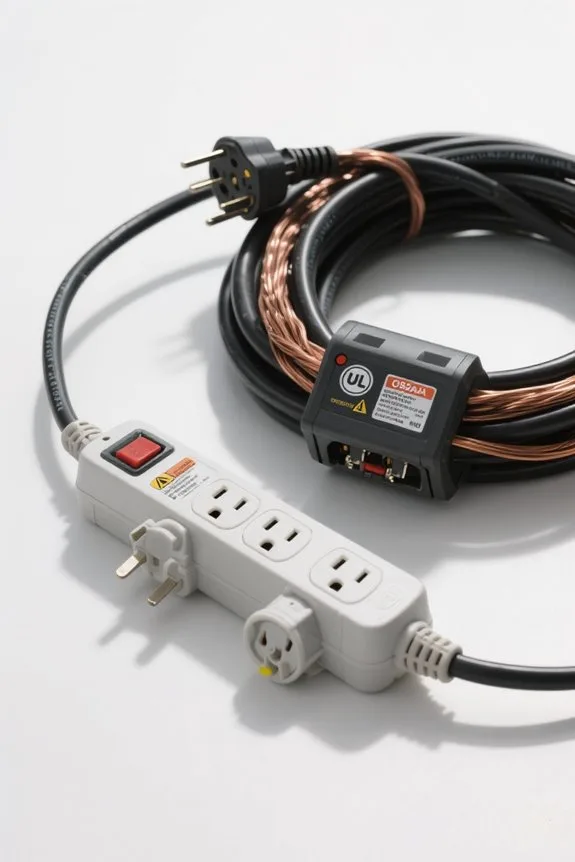
Extension cord safety uses UL-listed SJTW 16/3 for lamps, 14 AWG for heaters. Calculate load by dividing total watts by 120 volts to get amperage, choose the cord rated least 20% above that value. You can inspect for frays, cracked insulation, or heat before use. Route cords along baseboards, clip every 12 inches, and never run under rugs. Avoid daisy-chaining or overloading circuits. Follow labels and consult an electrician for recurring trips; more guidance follows.
Key Takeaways
- Match the cord’s amp/watt rating to your device and choose a higher-capacity cord (preferably 20% margin) to avoid overload.
- Use indoor-rated, UL/ETL-listed cords with polarized or grounded plugs and appropriate AWG for the load (16 AWG small, 14 AWG heavy).
- Visually inspect cords for frays, cracked insulation, exposed copper, hot spots, or burnt plugs before each use; replace damaged cords immediately.
- Route and fasten cords along walls or baseboards, avoid doorways, high-traffic areas, under carpets, and never daisy-chain multiple cords.
- If breakers trip, fuses blow, outlets buzz, or cords melt/expose conductors, stop use and consult a qualified electrician for inspection.
Choosing the Right Extension Cord
You may be interested
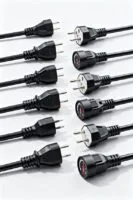
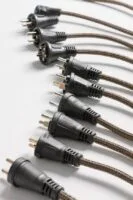
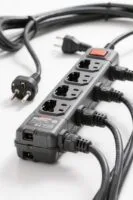
When selecting an extension cord, verify the appliance wattage and choose a cord rated for equal or greater wattage to avoid overheating. Guidance for choosing extension cords for indoor use begins with wattage matching and wire gauge selection. For lamps and small electronics select 16 AWG, for space heaters or power tools select 14 AWG. Avoid overloading by totaling appliance wattage before plugging in. Prefer cords approved by independent testing laboratories, displaying UL or ETL marks to confirm safety standards compliance. Select polarized plugs or grounded three-prong designs for safer connections and proper polarity. Use cords labeled indoor use only when used inside; outdoor-rated cords include extra weather features not required indoors. Inspect cords for damage, and replace if frayed or discolored without delay. Also consider using a cord with 12 AWG for higher-load devices to reduce voltage drop.

Whole House Power: The aXis ATS200 Whole House Automatic Transfer Switch provides managed power for your home with wi-fi setup and the ability to manage unlimited high demand loads using 4 priority levels

HEAVY DUTY PERFORMANCE: Crafted for demanding applications, this NEMA L5-30P plug is engineered to withstand rigorous use. Rated for 30 amps and 125V, it’s the perfect solution for ensuring optimal power delivery in both residential and industrial environments.

DURABLE CONSTRUCTION: Heavy-duty 6 AWG copper conductors withstand high heat and current loads for demanding industrial applications. Offers maximum protection even in extreme temperatures or harsh conditions. Insulation resistant to abrasion, battery acid, diesel fuel, engine coolant, engine oil, ethanol, extreme temperatures, flame, gasoline, power-steering fluid, transmission fluid, and water.
Understanding Wattage and Amperage Limits
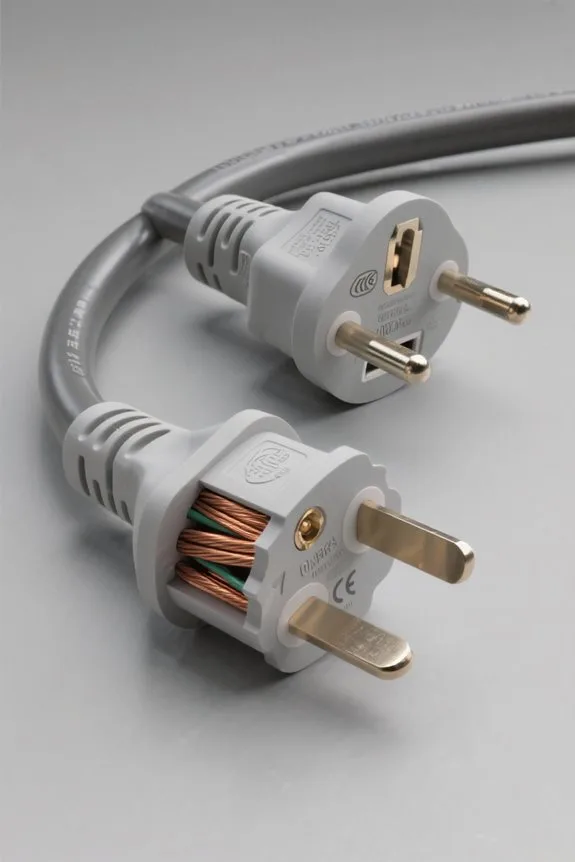
Although extension cords appear simple, their amperage limits require careful calculation to prevent overheating, damage, and increased fire risk. The label shows an amperage rating; multiply that rating by 120 volts to get maximum capacity in watts. For example, a 15-amp cord equals 1,800 watts. To avoid overloading extension cords, sum the wattage of each device and confirm it does not exceed wattage limits on the cord or packaging. Calculate device amperage by dividing total watts by 120 volts when specific amps are unknown. Overloading extension cords can cause overheating and electrical fires. As a safety measure, select a cord with at least 20 percent higher capacity than calculated load. Record calculations and cord model numbers for maintenance and audit. Keep documentation with equipment. For many freezers and major appliances, use a 14 AWG or thicker cord rated for 15A/125V to ensure safe operation.
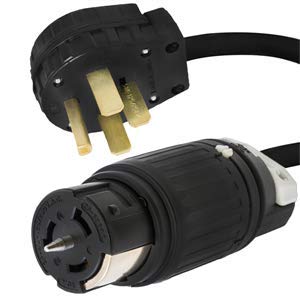
14-50P to CS6364 Extension Cable

HEAVY DUTY - NEMA L14-20P Locking Plug to NEMA L14-30R Locking Connector

100 ft Heavy-Duty Extension Cord: Ideal for long-distance setups, ensuring your RV stays powered up even when the outlet is far away. (Note: Power loss occurs for cords over 50 ft, 50A may drop to 40A due to increased resistance)
Inspecting Cords Before Use
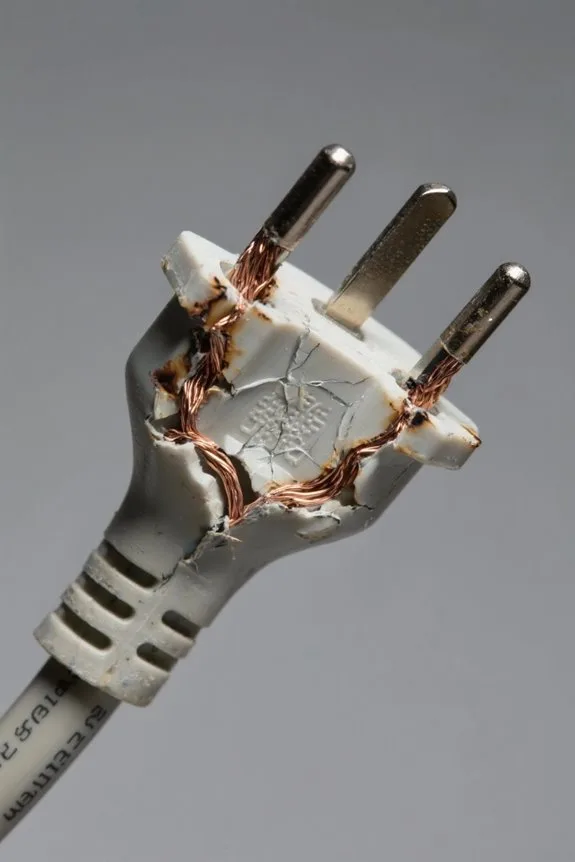
Every extension cord should be inspected visually for damage before each use, following a fixed checklist and documented steps. Inspectors inspect extension cords for visible damage: frayed wires, cracked insulation, sheathing, or burnt plugs. Step 1: unplug and lay cord flat, lengths 1.5 to 30 m depending on model. Step 2: verify plug pins are straight and not loose; model codes such as SJT, SJTW, or SJEOO indicate indoor ratings. Step 3: feel along cord for heat; if cord is hot, disconnect immediately. Look for signs of wear including exposed copper, discoloration, or stiffness. Discard any cord with these faults. Regular pre-use checks prevent electrical shock and reduce fire hazards. Document findings with date, inspector initials, and action taken. Replace cord immediately when faults are. Also ensure GFCI protection is present when cords are used in damp or outdoor-adjacent areas.
Proper Placement and Routing Indoors
Several simple rules govern placement and routing of extension cords indoors to reduce tripping and fire risks. For proper placement, route extension cords along baseboards and walls, avoiding doorways, thresholds, and high traffic zones. Step 1: use indoor-rated cords such as UL Listed 16/3 SJTW for appliances under 13 amps, product code UL-163. Step 2: fasten cords using cable clips every 12 inches to maintain cord management and avoid pinching. Do not run cords under carpets, rugs, or furniture where heat may accumulate and create fire hazards or lead to overheating. Make sure plugs seat fully in outlets and inspect for loose connections, discoloration, or melting before each use. Follow manufacturer labeling for indoor applications and replace damaged cords immediately to maintain safety and compliance. For added assurance in damp or transitional indoor/outdoor areas, consider equipment with IP54/IP55 protection ratings.
Avoiding Overloading and Daisy-Chaining
Calculate load before use by adding device wattages and dividing by household voltage, typically 120 volts, to find amperage. Overloading extension cords occurs when calculated amperage exceeds the cord rating; for example 15A 14/3 SJT or 13A thin 16/2 types. To guarantee safe usage, maintain calculated amperage at least 20 percent below the cord’s rated capacity and avoid continuous loads overnight. Do not use daisy-chaining of cords or strips; step one unplug devices, step two connect one cord to a grounded outlet. Inspect cords monthly because signs of damage include buzzing outlets, discolored plugs, melted insulation, exposed conductors, and blown fuses indicating overload. Use one major appliance per cord, avoid permanent wiring, follow rules to reduce risk of electrical fires and promote safe usage. For setups with sensitive electronics, consider surge protectors rated at 3000-4000 J to provide enhanced protection.

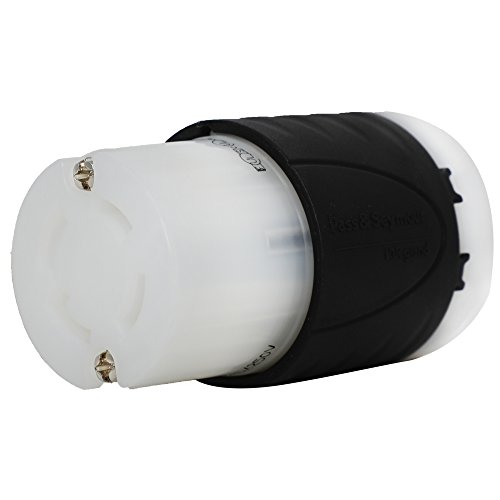

PREMIUM COMPONENTS: Featuring Pass and Seymour wiring devices, this extension cord includes industrial-strength brass alloy plug blades and connector contacts that resist heat rise and ensure excellent conductivity. The impact-resistant nylon 6 shell and rubber grommet protect against oils, water, and dirt.
Safe Use With Appliances and Power Strips
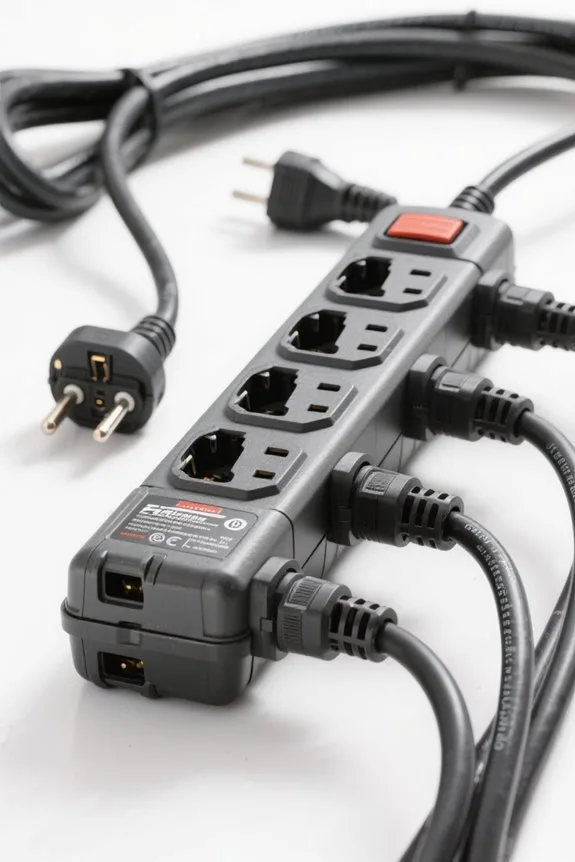
Major appliances must be plugged directly into a grounded wall outlet, not an extension cord, to reduce fire and overheating risk. For Extension Cord Safety, small appliances can use heavy-duty electrical cords or power strips rated for the appliance wattage. Never overload extension cords; limit use to one major device and verify cord rating, for example 14 AWG, 15 A, 1875 W. Avoid daisy-chaining power strips or cords together, as combined loads exceed ratings. Use polarized and/or three-prong plugs to maintain grounding and correct polarity. All cords and strips should be inspected for damage before use, looking for frays, exposed conductors, or heat discoloration. Replace any unit failing inspection or lacking UL/ETL listing. These steps improve appliance safety and reduce fire risk and injury. Ensure surge protection devices meet UL 1449 3rd Edition standards for reliable performance.

【Rack Mount Power Strip】: This PDU power strip surge protector equipped 12 outlets (125V/15A), providing enough space between the sockets to large plugs. rackmount power strip, features a 6 ft long cord so you can plug your devices in while leaving the rack mobile

6 Outlets Heavy Duty Power Strip - this wall mount power strip is equipped with 6 plugs, which can plug in multiple electrical appliances at the same. The power bar is 15 inch long and come with 6FT extension cord

16 Outlets Long Power Strip - this heavy duty power strip is equipped with 16 plugs, which can plug in multiple electrical appliances at the same. The power bar is 24 inch extra long and come with 10FT extension cord
Storage and Maintenance Best Practices
All extension cords should be coiled into 12–16 inch diameter loops and stored in a dry area at least 4 inches off the floor. For storage and maintenance, cords must be placed in cable baskets or storage boxes to protect from dust and moisture. Before storage, personnel should inspect cords for fraying, exposed conductors, or loose plugs and remove damaged cords from service. Rotation of extension cords between outlets and rooms is recommended to distribute wear and extend integrity. Labels with purchase date and product code help track age and maintenance history. Clean cords with a dry cloth; avoid solvents. Keep cords away from pest paths and heat sources to maintain safety. Periodic maintenance checks are advised every three months to guarantee continued operation. Consider also protecting plugged-in devices with surge protectors that have high surge protection ratings to reduce risk from voltage spikes.
Recognizing and Responding to Cord Damage or Overheating
Inspection begins with visual and tactile checks performed by trained personnel at least once before each use. Personnel should examine extension cords for frayed insulation, cuts, or exposed wires and measure cord diameter (3.5 mm typical for 14/3). Step 1: unplug and visually inspect plug and receptacle. Step 2: feel along cord for hot spots; if cord feels warm above 40°C, unplug immediately to prevent overheating. Step 3: verify cord rating, 120 V and 15 A (max 1,800 W) for common indoor use. Discolored or melted plug components indicate damage and increased risk of electrical fires; discard the cord, do not repair. Use only UL-listed cords (example code UL E123456). These steps support consistent safety and reduce shock risk. Document inspections in log number. Always choose UL-listed cords and verify certification numbers to ensure compliance with safety standards.

RELIABLE CONNECTIONS: The L21-20 generator plug and connector set ensures a secure and stable electrical connection for a variety of generator applications. Featuring a 5-wire configuration, it provides consistent power transfer, reducing the risk of interruptions and electrical issues. This set is ideal for use in construction sites, emergency power systems, and temporary outdoor events, offering dependable performance in a range of settings.

Indoor / Outdoor Rated: Series 16 Camlocks are rated NEMA 3R while connected, perfect for use in stormy operating conditions

Excellent resistance to oil and moisture. Excellent abrasion resistance. Ozone-, sunlight (UV)- and weather resistant.
When to Call a Qualified Electrician
When circuit breakers trip repeatedly or fuses blow while using extension cords, a qualified electrician should be consulted immediately. A licensed technician inspects the electrical system for overloaded circuit conditions and hidden electrical hazards. If cords show exposed conductors or melted jackets, have a professional verify wiring and replace UL-listed 14/3 or 12/3 cord types. If lights dim or outlets buzz when multiple appliances run, an electrician measures load with a clamp meter, documents amps, and recommends NEMA 5-15 rated circuits or additional outlets. For homes older than 1980 or not meeting current safety standards, schedule a full panel inspection, label breakers, and upgrade to 20A circuits if required. Follow written estimates and obtain permits before work starts. Retain receipts for three years exactly. Also consider bundling and protecting cords with UL recognized cable sleeves or spiral wraps to reduce wear and pet damage.
Frequently Asked Questions
What Are the Safety Rules for Extension Cords?
Individuals practice extension cord management: respect load capacity, use surge protectors, perform regular visual inspection, guarantee cord maintenance, secure indoor placement, avoid overloading, and adopt proper storage to minimize fire, shock, and potential damage risks.
What Is the OSHA Rule for Extension Cords?
OSHA requires extension cords be rated, grounded, inspected, temporary, not overloaded, like guardian. extension cord regulations electrical safety standards workplace safety guidelines extension cord types proper extension cord usage electrical hazard prevention extension cord inspections
Is It Okay to Leave an Extension Cord Plugged in Overnight?
No; they should avoid leaving an extension cord plugged in overnight. Attention to extension cord risks and fire hazards requires proper usage, checking cord ratings, using surge protection, practicing overload prevention, considering power strip alternatives.
How to Tell if an Extension Cord Is for Indoor Use?
They verify indoor use: check extension cord materials, safety certification logos, indoor extension ratings, usage guidelines, power capacity signs, electrical hazard warnings, wire gauge checks, and apply visual inspection tips for plugs, insulation and grounding.