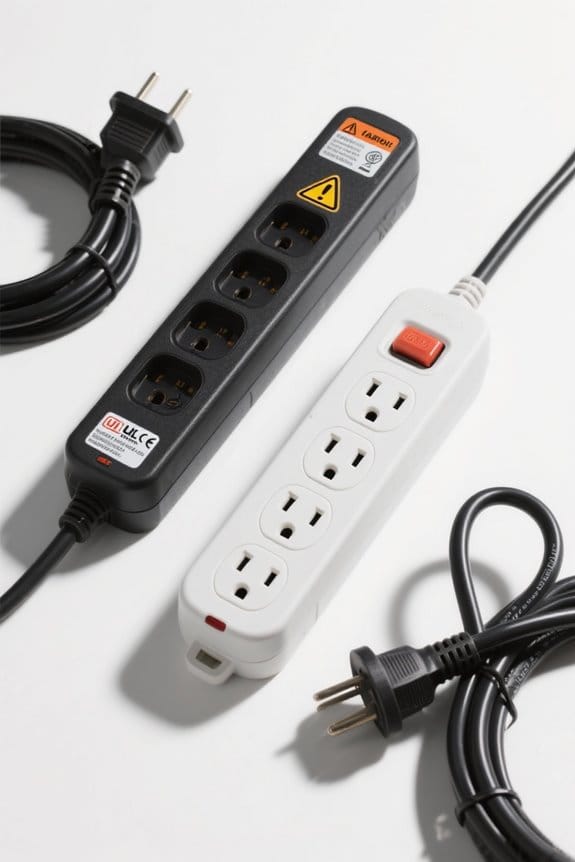
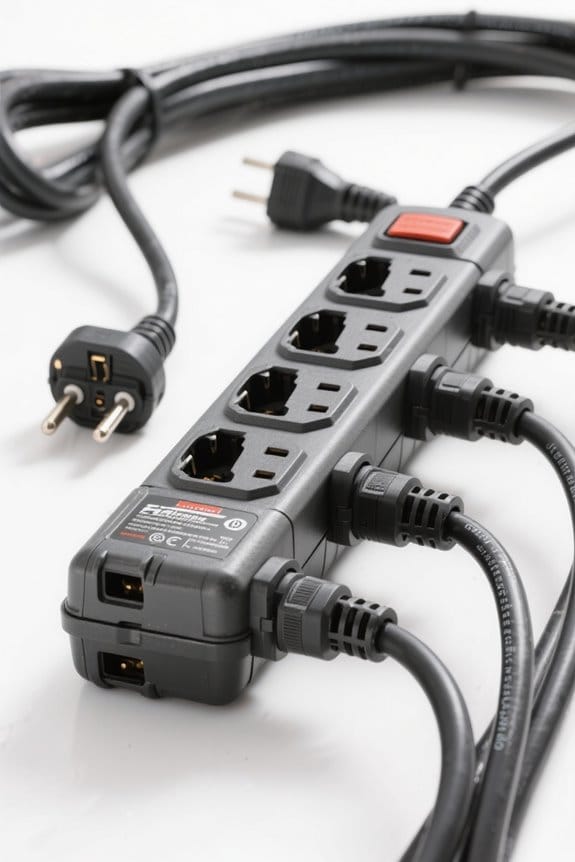
As an Amazon Associate, we earn from qualifying purchases. Some links on this site are affiliate links at no extra cost to you. Our recommendations are based on thorough research and editorial judgment.


What To Do If a Surge Protector Smells Burnt

After a surge, if a surge protector smells burnt, power should be cut immediately at the breaker for that circuit. Devices must be unplugged by gripping the plug body. The unit should remain disconnected and inspected for scorch marks, melted plastic, or discolored wiring. If damage appears, contact a licensed electrician and do not reuse the protector. Replace with a UL 1449 rated unit of at least 600–1000 J. For specific steps, you can continue.
Key Takeaways
- Immediately turn off the breaker for the outlet and unplug the surge protector.
- Unplug all devices from the protector by gripping plug bodies, not the cords, and remove the unit from service.
- With power off, inspect the protector and outlet for scorch marks, melted plastic, or discolored wiring; photograph any damage.
- Do not reuse the protector; replace it with a UL1449-rated unit and at least 600–1000 joules protection.
- Contact a licensed electrician to inspect the outlet and wiring before restoring power or plugging in a new protector.
Quick Safety Steps to Take Right Away
You may be interested

Begin by switching off the breaker for the affected outlet at the electrical panel, moving the switch to the OFF 90-degree position. They must cut power immediately to stop current flow and reduce fire risk. Next, all devices are unplugged from the surge protector, handled by gripping the plug body and avoiding metal prongs. Windows should be opened and fans set to low to disperse any burning smell coming from the device. The surge protector is left isolated, nothing reconnected. A licensed electrician is contacted without delay for a professional inspection of the outlet and protector. The electrician documents model numbers and cord condition, and confirms safe product code compliance. If advised, replacement is performed following manufacturer specifications and local electrical code and standards. For best protection, consider surge protectors rated at 2000-4000+ joules and a 330V clamping voltage.
Why a Burning Smell Occurs After a Power Surge
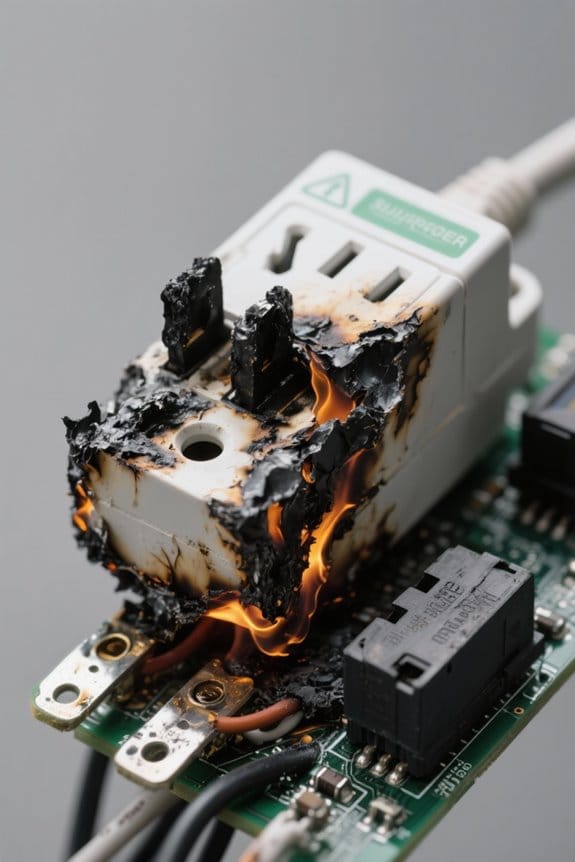
When a power surge forces a sudden voltage spike through a protector, internal parts can overheat and produce a burning smell. The smell usually comes from overheated wires, MOVs, or plastic housings inside surge protectors for sensitive equipment. A surge raises voltage above 120 V RMS, creating heat in resistive paths. Loose connections increase resistance and can reach 200–300 °C at a fault point. Components like MOVs (UL 1449 rated) degrade after overload and emit burned plastic odors. This degradation reduces clamping capability and compromises the broader electrical system protection. Inspecting a unit requires disconnecting power, noting model numbers, and replacing damaged units. If internal charring or melting occurs, replace with a new unit rated for 10–15 A circuit use. Do not reuse it. When replacing a damaged unit, choose one with a high surge rating such as 2700 Joules to ensure better protection.
How to Identify Whether the Surge Protector or Outlet Is the Source
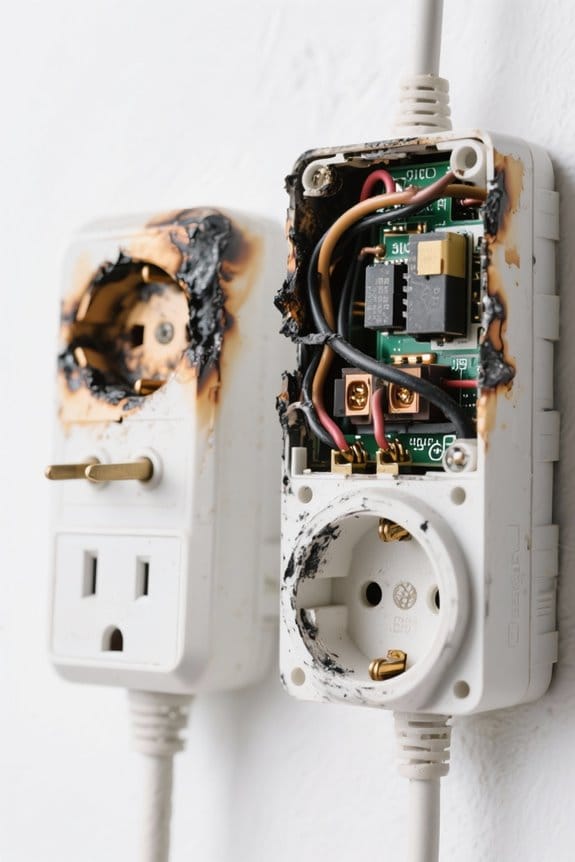
After a surge has caused internal charring, the next task is to determine whether the protector or the wall outlet produced the burned odor. First, unplug the surge protector and visually inspect for scorch marks, melted components, or broken housings. Next, turn off power at the circuit breaker, wait five minutes, then remove the cover to inspect the outlet for discoloration, heat damage, or burned plastic. If no visible damage appears, connect a known good surge protector to the same outlet and note whether the odor returns. If the smell persists with a different unit, the outlet likely has a fault. If neither shows damage but odor remains, contact a licensed electrician to perform circuit-level testing and replace defective components. Document findings with photos. For future protection, consider choosing devices rated with high joule ratings to better withstand large transient events.
Recommended Products
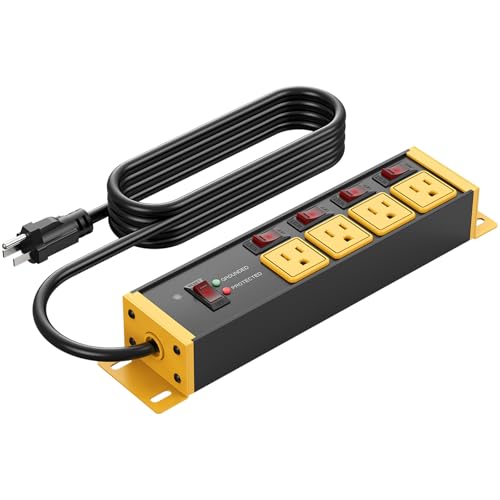
Heavy duty power strip 20 amp with 4 outlets and individual switches, 5-20R, 6-20R and come with standard 3 prong 5-15P plug. Wall mount design, can be applied to high power industrial equipment.

Heavy Duty Power Strip: SUPERDANNY 15A/1875W heavy duty power strip features 13 widely-spaced outlets and 4 fast-charging USB ports (including 2 Type-C), handling all your power needs from one place. The multiple outlets replace your old power strips and accommodate all your equipment without any interference.
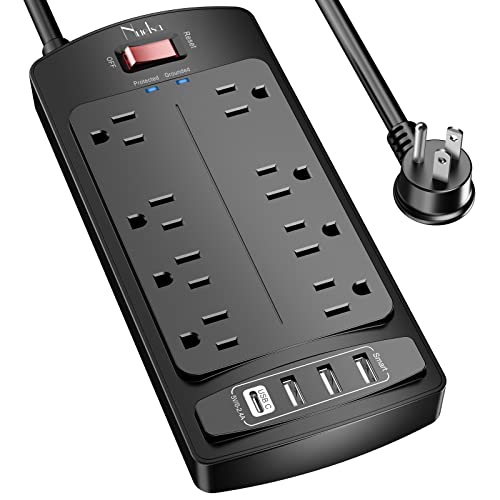
【Power Strip with 8AC outlets & 4 USB】- Power bars with surge protector with 8AC outlets & 4 USB charging ports (1 USB C Outlet), 6 Feet Heavy Duty extension cord, surge protector(2700 Joules) with overload protection protects against spikes and fluctuations.
Inspecting the Surge Protector Safely Without Risking Shock
Although the unit should be unplugged, a safe visual inspection can begin on a clear workbench free of clutter. The inspector first confirms the surge protector model number, for example SP-6A12 or SP-800R, and notes the serial on a 1.5 inch label. They look for burn marks, melted plastic, bulging areas, or a persistent burnt smell. They examine the power cord length, often 1.8 m (6 ft), checking for frays or exposed wires. They avoid touching metal prongs and internal parts. They use non-conductive tools, such as a plastic spudger or insulated tweezers, to probe gaps. They photograph all damage with high-resolution settings. If damage appears extensive, they recommend contacting a professional for evaluation and safe disposal instructions. Keep records for warranty and insurance claims. Check the unit’s surge protection joule rating to assess remaining effectiveness.
When to Shut off Power at the Electrical Panel
How quickly should power be cut at the electrical panel when a surge protector such as SP-6A12 or SP-800R emits a burning odor? The panel should be shut off immediately when a person notices a smell burning coming from the device, because overheating can lead to fire. First, locate the breaker controlling the affected outlet or surge protector and switch it off to stop current flow. Use the breaker label if present, and flip to OFF firmly. Do not touch metal prongs on plugs while power remains connected. After turning off the electrical panel breaker, unplug devices only by gripping insulated portions. Wait for a licensed electrician to inspect the outlet and surge protector before restoring power or reusing any equipment. Maintain calm composure. Also consider replacing surge protectors that lack at least 900 joules of protection to reduce the risk of equipment damage and fire.
Signs That the Outlet, Wiring, or Surge Protector Is Damaged
A burning odor from a surge protector such as SP-6A12 or SP-800R often signals internal overheating or external wiring damage that requires immediate attention. Inspect for discoloration, melted plastic, or burn marks on the surge protector or damaged outlets within one inch of the faceplate. Check for loose screws or corroded contacts after turning off the circuit, using a 4 mm screwdriver and flashlight. Measure voltage with a multimeter set to 120 V AC if breakers trip or power cuts occur, recording readings precisely. Watch for burning from an outlet signs like ozone smell, heat above 50°C, or black residue near terminal screws. Do not repair major faults alone; you can call licensed electrical services, giving device model, location, and measurements for inspection. Check the surge protection ratings—measured in joules—to ensure adequate energy absorption capacity (aim for at least 1200 joules for residential protection).
Recommended Products
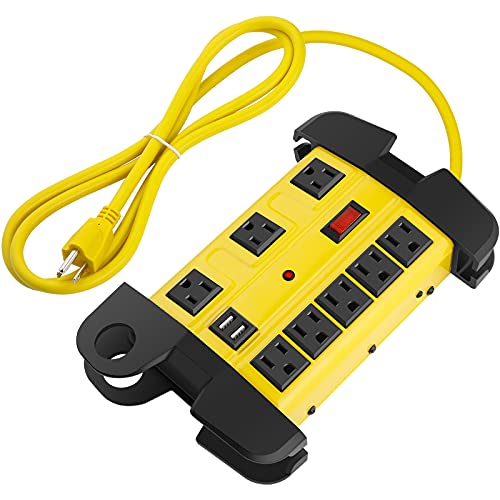
Metal industrial power strip with yellow aluminum housing and black outlets, wall mountable and built-in usb ports design, perfect for hooking up all the gadgets at work.
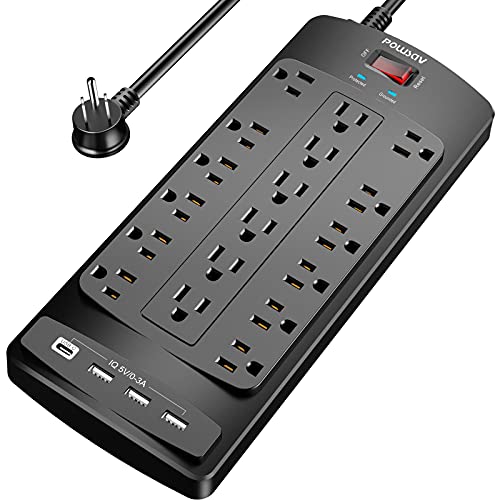
Power Strip with 18 outlets & 4 USB Ports: 18AC outlets & 4 USB ports, power strip with 6 feet Flat Plug Heavy Duty power extension cord, surge protector(2100 Joules) with overload protection protects against spikes and fluctuations,Lots of outlets for a computer desk works great for all the electronics a gamer needs.
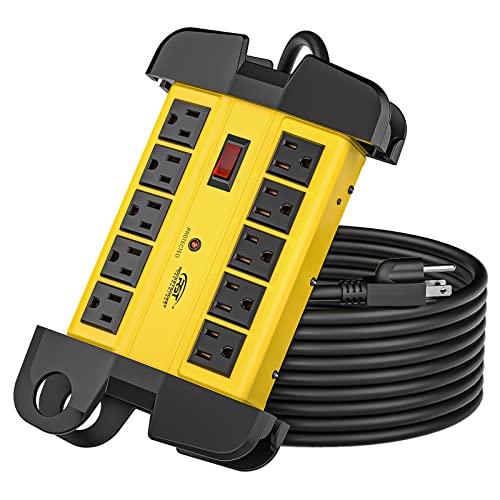
--Sturdy, extruded aluminum housing stands and Surge Protection constructed. CRST Industrial Power Strip is perfect for construction site, labs, and other harsh environments.
Risks of Continuing to Use a Surge Protector That Smells Burnt
Continuing to use a surge protector that smells burnt creates a high fire risk from overheating, short circuits, and insulation failure. A burnt smell often means internal component damage, which can cause shorting and an electrical fire. Stop use immediately: step 1, unplug the protector within 5 seconds and remove all cords; step 2, note rating label, for example 120V, 15A, 1875W, model SPD-120A or UL1449 devices; step 3, do not reset breakers or tape over sockets. Overloading causes overheating that scorches insulation and wiring, risking connected devices and structure. Replace with a unit meeting UL1449 standard and a surge current rating of at least 600 joules. Inspect outlets and wiring by a licensed electrician before returning power. Do not reuse damaged extension cords. Prefer replacement units rated between 2,000–4,000 joules for stronger protection and with UL 1449 certification.
How Surge Protectors Work and Common Failure Modes
Metal oxide varistors (MOVs) are key components that divert excess voltage away from connected devices during short voltage spikes and limit transients. They absorb surge energy, clamp voltage to safe levels, and then return to a non-conducting state within 1–10 microseconds, within milliseconds. Repeated spikes degrade MOVs; failure can cause a burning smell, increased resistance, heat buildup inside housing, and eventual open circuit. Connecting multiple high-wattage devices to one power strip, for example 1500W toaster and 1200W heater, exceeds ratings and stresses components over time. Poor ventilation and compact designs limit airflow to less than 10 cubic centimeters per second, increasing overheating risk. Inspect devices after a surge, check indicator lights labeled “MOV OK” or product code “SP-2000”, and replace within 2–3 years if degraded. High-quality gaffer tape often allows for residue-free removal, which is useful when securing cords or components during inspections.
Recommended Products

【4+4 Outlets Power Strip with 4 USB Ports】- The 3-side power strip with 8AC widely outlets and 4 USB charging ports, each USB A port features 5V/2.4A Max output. USB C charging port features 5V/3A MAX. can power up to 12 devices simultaneously.
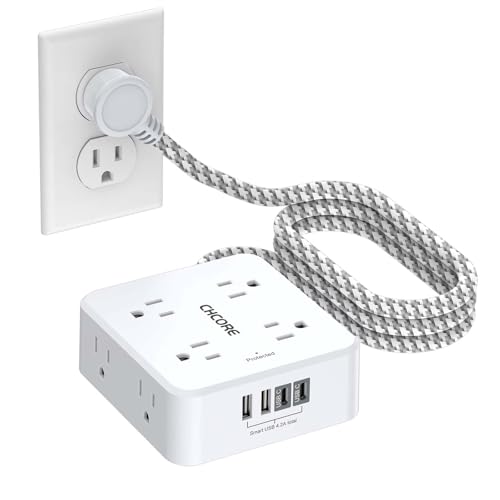
【12 IN 1 Surge Protector Power Strip】- The 3-side design surge protector power strip with 8AC widely outlets and 4 USB charging ports(2 USB C Ports), 5 Feet extension cord, can power up to 12 devices simultaneously. The compact design saves more space, suitable for the home, office, and college dorm room essentials.

【Multi Function Power Strip】:Surge Protector Power Strip with 12AC outlets & 4 USB charging ports, 6-foot Heavy Duty power extension cord, surge protector(2700 Joules) with overload protection protects against spikes and fluctuations.Wide range voltage design, can be used on 120v to 240v circuit.
Calling a Licensed Electrician: What to Expect During an Inspection
Often the licensed electrician begins by confirming that the affected circuit is de-energized at the breaker and properly labeled. Next, calling a licensed contractor, the inspector uses a multimeter at 120 V AC to test voltage and current. They open the outlet box and inspect wiring for burn marks, loose connections, and confirm 12 AWG conductor sizing. The surge protector, model UL1449 SPD-120, is examined for internal damage and MOV failure. Any damaged outlets, wires, or circuit breaker rated 15 A are removed and replaced per local code. All repairs are tested under load and documented with part numbers and photos for compliance. A final verification confirms safe operation before closing the job, updating records, and labeling, and provides a written estimate. They also verify surge protection ratings such as UL 1449 and joule capacity for the device.
Preventative Maintenance to Reduce Future Overheating Risks
After the licensed electrician documents repairs, regular preventative maintenance reduces the chance of future overheating.
Inspect surge protectors monthly for discoloration, frayed cords, loose plugs, or burnt odors, noting findings.
Avoid overloading by distributing high-wattage devices across multiple outlets or circuits, keeping each circuit under 80 percent load.
Schedule a professional electrical inspection every two to three years, or sooner if you detect heat, arcing, or repeated tripping.
Replace surge protectors every 3-5 years, or immediately if damaged, using listed models like SPC-1200 with UL1449 rating.
Keep units in well-ventilated areas with at least 3 inches clearance on all sides, away from carpets and heat sources.
Log maintenance steps, include date, technician name, and serial numbers, and follow a checklist to reduce overheating risk.
Prefer line conditioners with Automatic Voltage Regulation for sensitive electronics to maintain stable voltage.
Recommended Products

All the Power You Need: Features 12 AC outlets, 1 USB-C port, and 2 USB-A ports to give you everything you need to power up all of your appliances and mobile devices.

11-in-1 Power: Features 8 AC outlets, 2 USB-A ports, and 1 USB-C port—enough to keep an entire room powered up.

DITEK DTK-120/240CM+ Surge ARRESTOR, Parallel Protector, Multi-Purpose, NEMA 4X, UL1449 Listed, SPD, Type 1, 2W(+G), 120/240VAC
How to Choose a Safe, Reliable Surge Protector Replacement
When replacing a burnt surge protector, select a model that complies with UL 1449 and carries a clear joule rating of 1,000 or higher. Prefer units labeled with exact specifications, for example model BR-1000 or SPG-1500, showing 1,500 J and MOV protection. Verify outlet count and rating, choose 6 to 8 outlets, and confirm 15A, 125V, 1875W total load to avoid overloading. Look for built-in resettable circuit breakers and amber/green indicator lights that show protection status clearly and immediately. Buy from reputable brands with warranties of at least three years, retain receipts, and record model code and serial number for reference. Confirm compliance with safety standards markings on packaging, inspect power cord for 14 AWG or 16 AWG thickness, and test before use now.
Recommended Products

FLAT PLUG POWER STRIP SURGE PROTECTOR: Features 7 outlets, 2160 joule rating, and an 7ft flat plug extension cord. Three wide-spaced outlets fit bulky transformers. Filters out threatening EMI/RFI line noise that can cause damage or data loss.

MULTI-OUTLET SURGE PROTECTOR: Power everything on your desk with a single compact multi outlet extension cord; 12 AC outlets with surge protection charge your computer, laptop, phone, camera, etc.

FLAT PLUG POWER STRIP SURGE PROTECTOR: Features 7 outlets, 2160 joule rating, and an 7ft flat plug extension cord. Three wide-spaced outlets fit bulky transformers. Filters out threatening EMI/RFI line noise that can cause damage or data loss.
Steps to Document Damage and Handle Warranty or Returns
The owner should document all visible damage by taking clear photographs at 300 dpi from three angles, showing burn marks and melted components. The person should label images with date, time, and location, and save copies as JPEG and PDF. Record model number (example: SP-1200 or SPC-200), serial code, purchase date, and retailer name. Keep the original receipt, box, and warranty card. Do not reuse the damaged unit; tag it as unsafe and store separately. Contact the manufacturer warranty department and the retailer within 14 days, following their return policy. Provide a short timeline of the failure, device list, and usage hours. Ship using tracked courier, include a printed claim form, and retain tracking number for three years. Keep copies for legal and safety.
Frequently Asked Questions
What Should I Do if I Smell Electrical Burning?
They should immediately cut power and unplug devices; smell identification, safety precautions, and basic troubleshooting steps include ventilating the area, avoiding contact with prongs, and calling a licensed electrician for inspection to prevent further hazards.
When Should You Throw Away a Surge Protector?
Although replacement can feel wasteful, discard a surge protector when surge protector lifespan exceeds three years, it shows obvious signs replacement needed (burning odor, frayed cord, tripped protection, dead indicator), despite benefits of surge protectors.
Can a Power Surge Cause a Burning Smell?
Yes, a power surge can cause a burning smell, as power surge effects include overheating and scorched insulation; prompt electrical safety measures and surge protector maintenance prevent hazards and indicate when replacement is necessary urgently.
Why Is My Surge Protector Burnt?
It likely burned due to aging, as diminished surge protector lifespan increases risk; electrical component failure, loose connections, or repeated surges produce heat. Overheating causes include overloading, poor ventilation, and internal faults requiring immediate replacement.