As an Amazon Associate, we earn from qualifying purchases. Some links on this site are affiliate links at no extra cost to you. Our recommendations are based on thorough research and editorial judgment.

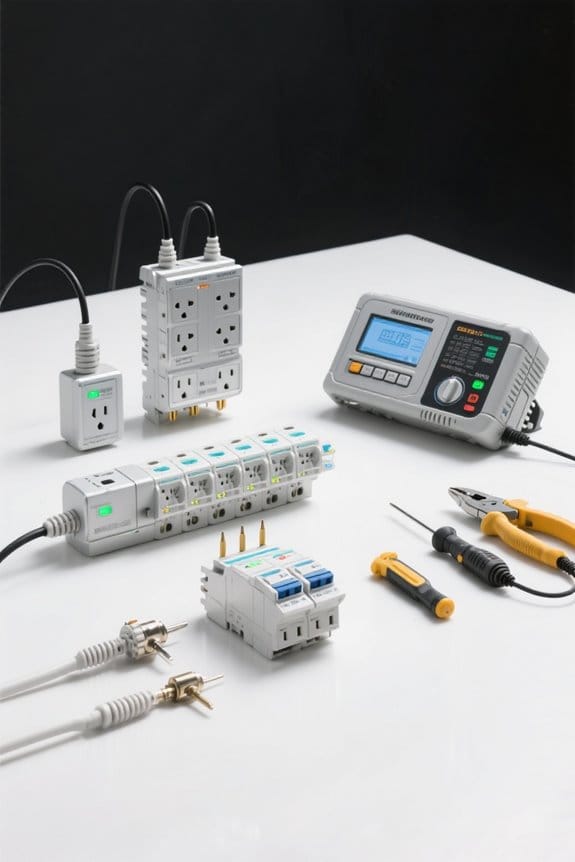
Maintenance Guide For Installed Surge Protectors

Maintenance for installed surge protectors like SPD-120V-600J and SPD-120V-2000J requires monthly visual inspections and multimeter continuity checks. Inspect for burn marks, discoloration, loose connections, and test continuity in ohms across input-to-output. Verify indicator lights (green active, red or absent = replace) and log model, timestamp, and surge counts. Test grounding with a three‑prong outlet tester, clean with a dry lint‑free cloth, and replace after major surges or every 5–10 years. Continue for full step-by-step procedures.
Key Takeaways
- Inspect surge protectors visually monthly for discoloration, burn marks, cracks, loose connections, and photograph any damage.
- Check indicator lights each inspection; log color, timestamp, unit code, and note audible alarm details.
- Perform continuity tests with a multimeter across input and output; record resistance, but schedule annual specialized clamping tests.
- Verify and log proper grounding with a three-prong tester before service, and inspect cords for frays or burn marks.
- Replace point-of-use units every 2–3 years, whole-home units every 5–10 years, or immediately after major surges or visible damage.
How Surge Protectors Work and When They Wear Out
You may be interested
Three main components—metal oxide varistors (MOVs), a grounding conductor, and an indicator circuit—absorb and divert overvoltage away from connected equipment. Surge protectors work by routing voltage spikes into the grounding conductor through MOVs, each rated to clamp at 600–900 volts. The unit’s joule rating, for example 600 J or 2000 J, quantifies energy absorption capacity and protective capabilities. Maintenance requires regular inspections every six months, checking for discoloration, loose connections and functional indicator lights. After a significant surge event like a lightning strike or repeated large surges, replace surge protectors; typical lifespan is five to ten years. Instruction: label devices as SPD-120V-600J or SPD-120V-2000J and log install date and surge events in a maintenance book. Monitor indicator lights; a failed light signals loss of protection. Also record the joule rating and clamp voltage of each unit when logging installs.
Recommended Products
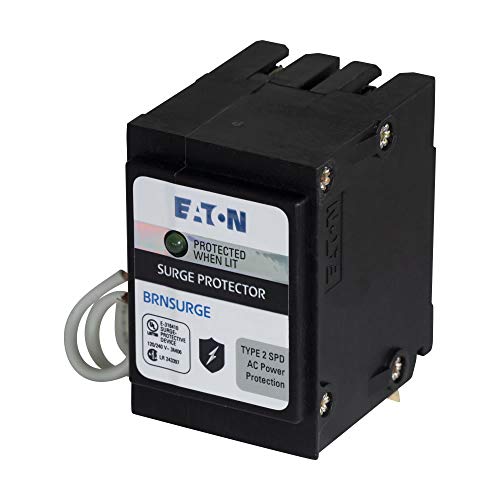
Uses 2 Branch Circuit Spaces

Universally connects to any manufacturer's load center (breaker box)
Inspecting and Testing Installed Surge Protectors
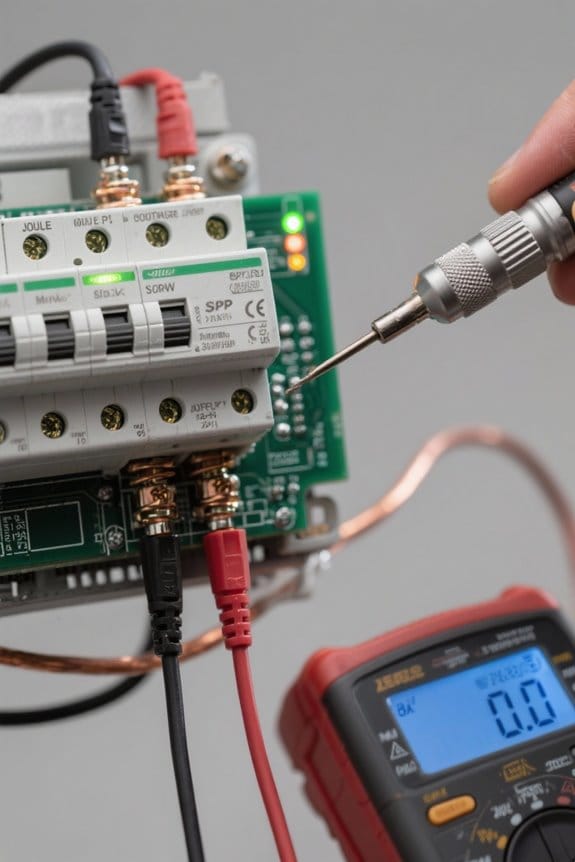
Every month, maintenance staff should inspect each surge protector labeled SPD-120V-600J or SPD-120V-2000J for operational indicators and physical damage. Inspecting begins with a visual examination for burn marks, discoloration, cracked cases, or loose connections. Testing follows: measure continuity with a multimeter across input and output terminals, record resistance in ohms, and compare to baseline. Note that a passing continuity test does not confirm surge protection capability. Log functional status, last surge incidences, and installation date. Replace units after significant surge incidences or when indicator status is red or absent. Schedule thorough annual tests with specialized equipment to verify clamping levels and energy absorption. Maintain clear records and a replacement plan tied to measured degradation and event history. Inspectors should review records monthly and annually. Also ensure selected devices have a UL 1449 listing (3rd ed.) to confirm reliable protection.
Indicator Lights, Alarms, and What They Mean
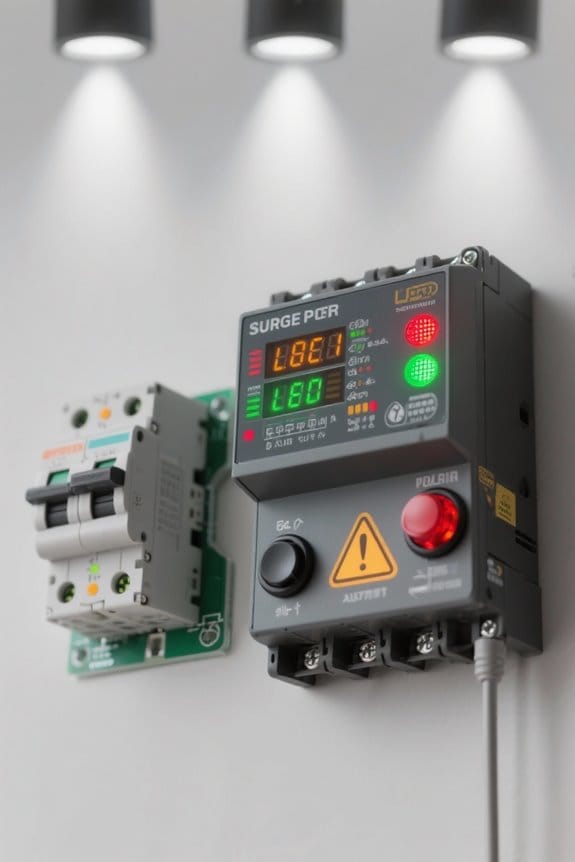
When inspecting indicator lights, maintenance staff should examine SPD-120V-600J and SPD-120V-2000J units for green, red, or absent indicators. Technicians note indicator lights to verify operational status of surge protectors and record color, timestamp, and unit code. A green LED shows active protection; a red LED or no light indicates potential failure. If audible alarms sound, technicians log alarm tone, duration, and correlated surge events absorbed by each unit. You can compare counter readings, including exact surge count and peak joules when available. Steps: (1) power down circuit per procedure, (2) visually inspect LEDs, (3) listen for alarm while re-energizing, (4) document findings. Prompt response preserves protective capabilities, extends lifespan, and helps safeguard connected devices. Record serial numbers, test voltage, and report anomalies to management. Ensure proper grounding is verified during inspection to maintain effectiveness.
Replacement Criteria and Recommended Schedules
After checking indicator lights and alarms, replacement decisions should follow clear criteria and recommended timelines for each unit type. The maintenance guide specifies general replacement schedules of 5-10 years for whole-home surge protectors (model SPD-1000) under normal conditions. Point-of-use surge protectors require replacement every 2-3 years or sooner if surge counters record heavy surge activity. If indicator lights are red or dark the unit must be replaced immediately. Any visible damage, such as burn marks or 1 cm cracks, also warrants immediate replacement. A major surge, including lightning strike events, mandates replacement regardless of device age or model code SPD-2000. During regular inspection follow three steps: record status, photograph damage, and remove and replace failed units per manufacturer torque and wiring specifications immediately thereafter. Regularly verify the unit’s joules rating and UL listing to ensure adequate protection and compliance with safety standards.
Best Practices for Grounding, Cleaning, and Safety
Verify grounding with a three-prong outlet tester (model OT-300) before installing or servicing any surge protector; record results and model code. The technician confirms grounding and electrical connections, then logs pass/fail and location, and notes maximum wattage capacity per device. For cleaning, dust with a dry lint-free cloth and use a 2 mm brush for vent crevices, keeping airflow clear to prevent overheating. During inspection, check cords for frays, burn marks, and loose plugs, and test functionality with a circuit analyzer. Do not overload outlets, respect manufacturer load limits, and remove faulty units. Schedule routine safety inspections by a licensed electrician every 12–24 months, and replace surge protectors that fail any test or show physical damage. Keep records for five years, including test certificates. Ensure the surge protector carries ETL certification or equivalent to meet safety standards.
Frequently Asked Questions
How Often Should Surge Protectors Be Changed?
They should be replaced every 3–7 years; coincidentally, significant power spikes or Signs of failure need replacement. Check Surge protector lifespan, Replacement frequency, Checking warranty, Installation location, Device compatibility, Budget considerations, User manual, Manufacturer guidelines.
How to Clean a Surge Protector?
They perform surge protector maintenance: unplug, use dust removal techniques and dry cloths, avoiding water exposure; heed inspection tips and safety precautions; use cleaning solutions; electrical safety, regular performance monitoring, proper storage, and usage guidelines.
Do Surge Protectors Lose Their Effectiveness Over Time?
Like a weathered shield, they do: Surge protector lifespan, Surge protector types, Indicator lights functionality, Surge protector ratings, Installation best practices, Power strip comparisons, Voltage spikes effects, Device compatibility issues, Usage environment factors, Maintenance tips.
What Items Should Not Be Plugged Into a Surge Protector?
They should avoid plugging high power appliances, medical equipment, refrigerators and freezers, space heaters, air conditioners, televisions, gaming consoles, networking devices, motors and pumps, and electric grills into surge protectors to prevent overloads and failures.