As an Amazon Associate, we earn from qualifying purchases. Some links on this site are affiliate links at no extra cost to you. Our recommendations are based on thorough research and editorial judgment.

Impact of Lightning on Home Surge Devices

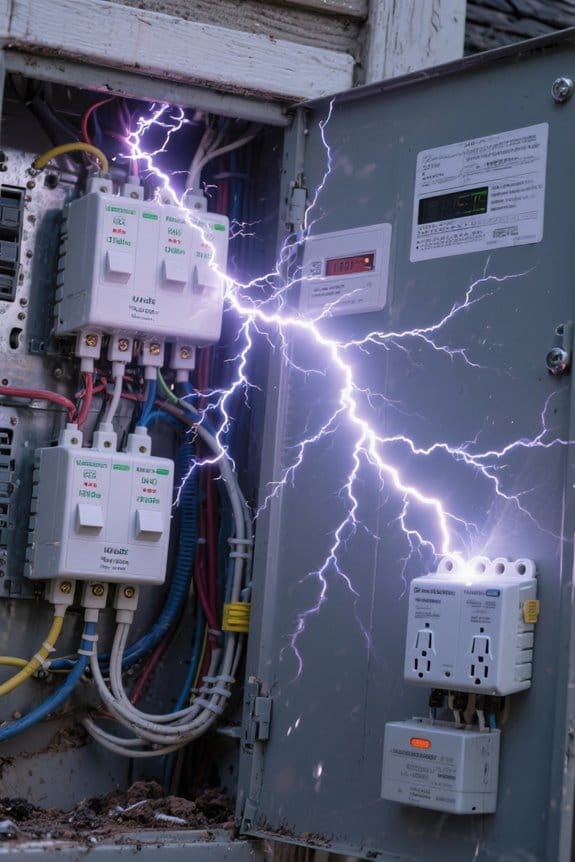
Lightning delivers tens to hundreds of kiloamperes and up to 300 million volts, which can overwhelm UL1449 SPDs. Home surge devices rate 6 kA to 100 kA and 2000–4000 J; direct strikes exceed those limits. Inspect SPDs after storms: step 1, check indicator light and MOV discoloration; step 2, measure ground resistance under 25 ohms with a digital meter. You can install 120/240 V, 100 kA service SPD and an 8-foot grounding rod. Detail follows.
Key Takeaways
- Direct or nearby lightning can produce currents far exceeding SPD ratings, destroying or bypassing home surge devices.
- Proper low-resistance grounding (≤25 Ω) and bonding are essential for surge protectors to safely divert lightning energy.
- Visible signs of lightning damage include burned outlets, melted SPD components, arcing marks, and tripped or charred breakers.
- SPDs degrade after large surges; replace every 2–3 years or immediately after significant lightning exposure or visible damage.
- Combine a whole-home Type 1/2 SPD at the service panel with point-of-use protectors for layered lightning protection.
How Lightning Generates Extreme Electrical Energy
You may be interested
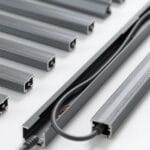
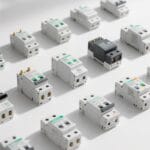
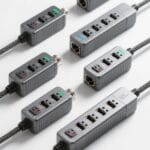
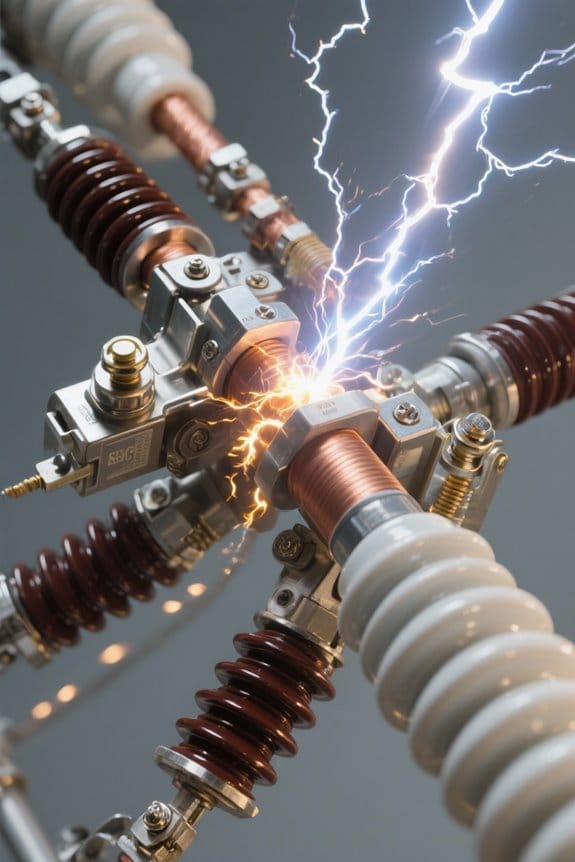
A single lightning strike can produce about 30,000,000 volts and up to 200,000 amperes, creating extreme electrical energy. Lightning forms when charge separation occurs in storm clouds, releasing high voltage through a narrow channel to ground. This event injects massive electrical energy into local conductors, producing rapid power surges along wiring and plumbing. Surge currents can exceed 100,000 amperes locally and spike voltages above 100,000,000 volts in rare events. Such surges travel through electrical systems, overwhelming insulation and connected electronics, causing immediate damage. Technicians should note UL1449 and IEEE Std C62.41 guidelines when evaluating risk. Inspect grounding, bonding, and conductor routing in three steps: measure resistance, verify connections, document anomalies. A surge protection device must be specified and installed per manufacturer instructions, carefully tested. Ensure surge protection devices have a clamping voltage under 400 V and appropriate joule ratings for effective defense.
What Surge Protectors Do and How They Work
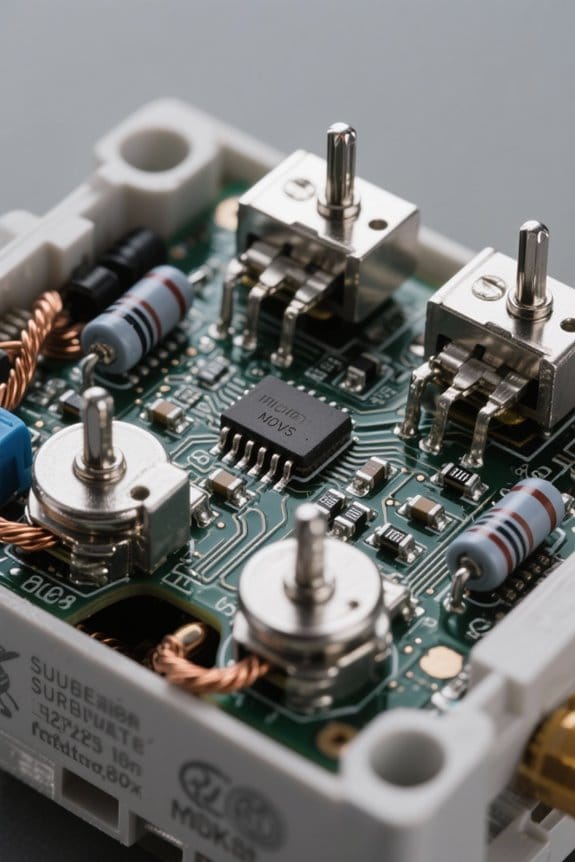
Surge protectors measure and limit incoming voltage, diverting excess energy into ground to protect electronics and wiring. They use components such as metal-oxide varistors (MOVs) rated in Joules, for example 600J, 1200J, or 2400J units, model example SPD-1200A. Point-of-use devices plug into outlets and supply line filters, while whole-home units install at the service panel using 60 A breaker spaces. Standard devices reduce spikes under 6 kV but often cannot absorb lightning strikes exceeding 100 kA peak current. Installation requires grounding to <25 ohms and following step-by-step: mount, connect line, bond ground, test with clamp meter model CM-123. Maintenance includes replacing MOVs after 5-10 years or after visible damage. They divert excess electrical current; a protection system with rods and grounding improves voltage control. For outdoor applications, consider devices with an IPX6 rating to guard against heavy rain and water spray.
Recommended Products
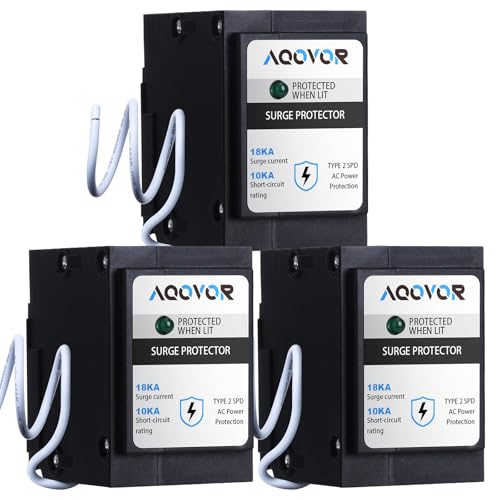
Uses 2 Branch Circuit Spaces
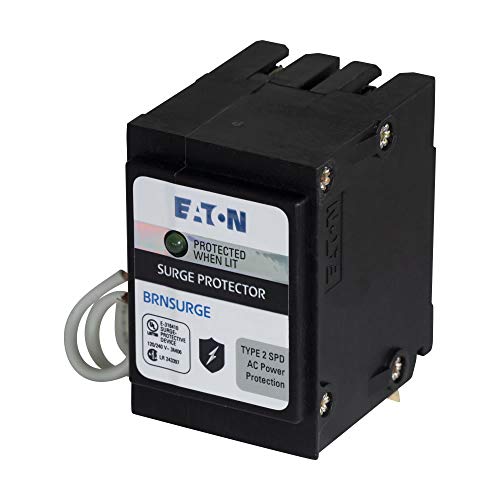
Uses 2 Branch Circuit Spaces

Universally connects to any manufacturer's load center (breaker box)
Direct Strikes Versus Induced and Transient Surges
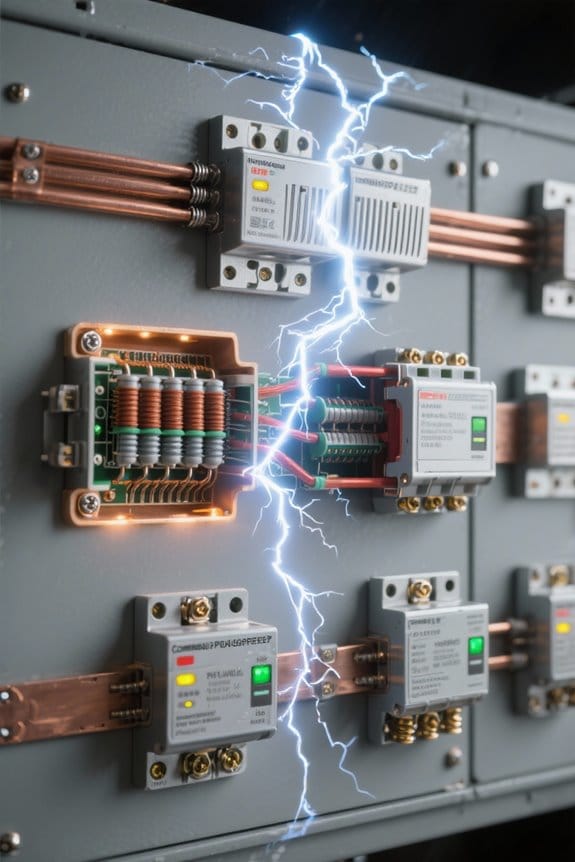
Although direct lightning strikes can reach currents 100 kA and voltages 300 million volts, induced and transient surges behave differently. Direct lightning strikes can overwhelm a whole home surge device rated SPD-120/240V-100kA within milliseconds, destroying internal components. Nearby lightning creates induced surges that inject hundreds to thousands of volts into wiring, damaging electronics and appliances. Transient surges from electromagnetic fields can affect devices not plugged in, causing data loss and hidden damage to circuits. Protection requires proper grounding rods 8 feet long, bonding clamps, and an SPD rated to IEC61643-11 or UL1449. Inspection: 1) verify grounding resistance below 25 ohms, 2) check clamps torque 20Nm, 3) replace SPDs. Homes with inadequate protection risk equipment loss, increased fire hazards, and reduced insurance coverage after confirmed lightning events. Regularly reviewing joule ratings and warranty terms helps ensure adequate protection and replacement coverage.
Common Failure Modes for Home Surge Devices
When lightning delivers extreme energy—up to 300 million volts and 30,000 amps—home surge devices often fail by burning out internal components like MOVs. Failure modes include MOV burnout, short circuit, and total device destruction during lightning-induced power surges. Surge protectors rated for 6 kA or 10 kA may be overwhelmed by higher currents. Internal protection components degrade after one large surge and require replacement. For inspection, you can power down, note model numbers (e.g., SPD-1200, UL1449 V3), and remove the cover per manufacturer steps. Test with a clamp meter set to 100 A range for leakage under 1 mA. Replace units showing charring, open fuses, or altered clamping voltage. Install whole-home protection at service panel for broader surge damage reduction. Record dates and serials for service history. For broader protection and durable outdoor connections, consider using weatherproof components and heavy-duty 12 AWG rated wiring when integrating whole-home surge protection.
Visible and Hidden Signs of Surge or Lightning Damage
If a home shows arcing at outlets, burn marks near the panel, or dark soot deposits, an inspector should suspect lightning-related surge damage. Visible signs include melted outlet plates, charred breakers, and mm pitting on contacts. You can note burning odors from appliances, scorched circuit boards, or blown fuses labeled 120V/20A. Hidden signs include intermittent resets, erratic displays, and slow degradation of hard drives or DVRs. Surges or Electrical current spikes may damage the home’s wiring insulation, causing microcracks from lightning damage after 6–12 months. To document, photograph damage at 300 dpi, record serial numbers, and run a lightning verification report. For triage, shut off breaker, label affected circuit, and call a qualified electrician for testing and repair. Keep all records for insurance review. For critical devices, consider surge protectors rated at 3,000 joules or higher to ensure adequate protection.
Limitations of Point‑of‑Use Surge Protectors During Lightning Events
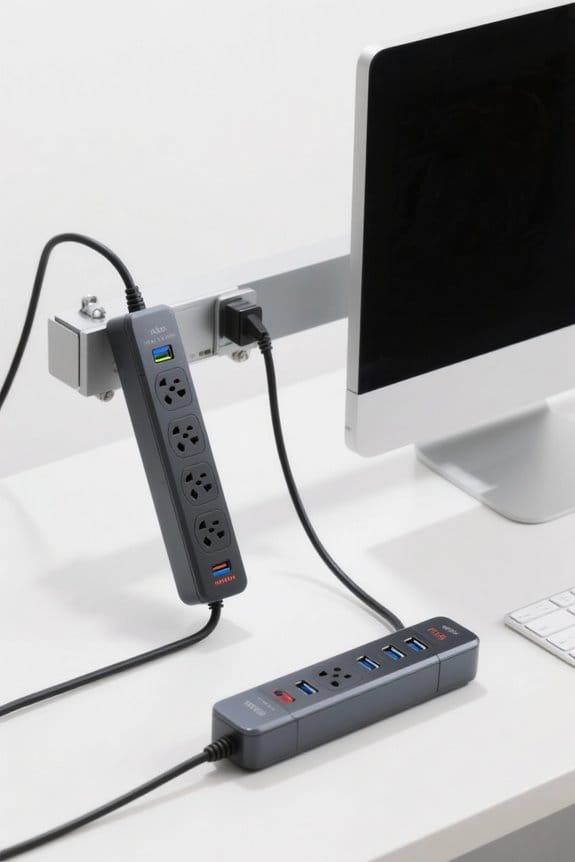
Point-of-use surge protectors commonly found under desks and behind TVs cannot stop the extreme energy delivered by a lightning strike. These point-of-use surge protectors are rated for small power surges, often 600–3,000 joules maximum, and cannot absorb lightning currents of up to 200,000 amperes. When lightning strikes induce multi-million volt transients, devices can fail or burst, even with a high maximum joule rating. Inspect units for scorch marks and replace immediately when damaged. For step-by-step mitigation, first unplug sensitive gear during storms, second avoid daisy-chaining strips, third mount surge devices away from damp areas. Do not rely solely on outlet strips in the electrical system. Consider equipment labeled model SPD-1200 or SPD-2400 for higher short-term protection, then consult a licensed electrician. For permanent solutions. Also, when selecting surge protection for outdoor service entrances, prioritize devices with weather resistance to withstand moisture and environmental exposure.
Recommended Products

LED ON/OFF Protection Status Monitoring

Fits into existing Siemens load centers

LAST LINE OF DEFENSE – THOMESURGEP surge protective device by ABB guards your home from electrical surges. Immediate and reliable protection for sensitive electronics and appliances.
Whole‑House Surge Protection, Grounding, and Bonding Strategies
Protection for the entire electrical service depends on a whole-house surge protector, proper grounding, and solid bonding to direct surge energy safely into earth. Whole-house surge protectors mount at the main panel, typically within 3 in. of the service disconnect, model examples such as SPD‑1000 or Eaton CHSPT2SURGE meet UL 1449 standards. Grounding requires a grounding electrode conductor sized per NEC, often 6 AWG copper for up to 200 A service. Bonding ties meter enclosure, neutral, and ground with continuous conductors. For installation, isolate power, install SPD across line to neutral and line to ground, torque connections to manufacturer spec, and route grounding conductor with as few bends as possible. Multi-layer surge protection adds point-of-use protectors downstream for highest safety during lightning strikes events. Choosing Type 2 SPDs with adequate surge capacity is recommended for residential services.
Recommended Products

Leviton surge protective devices (SPDs) divert damaging voltage transients, or surges, away from electronic equipment

The HEPD50 is easily connected to any brand of residential load center and provides the customer a green status LED to ensure proper protection

120/240V Type 2 Surge Protective Device. Provides powerful surge protection with a rating of 72kA per phase and a total energy absorption of 1880 Joules—ideal for residential and light commercial electrical systems.
Post‑Event Inspection, Testing, and Documentation Procedures
After a lightning strike, the homeowner should begin a systematic post-event inspection within 24 hours to limit further damage spread. The inspector examines all surge protectors for burn marks, melted components, or tripped lights, noting model and product code such as SPD-120/240-20kA. For testing, use a digital multimeter set to AC volts 0–600 V to detect excess voltage and a continuity function to check MOVs. Documentation requires dated photos, time stamps, serial numbers, receipts, and warranty papers in one file. Record diagnostics on connected electronics with device model, observed fault, and time tested. If latent damage is suspected, an electrician inspects the electrical system with insulation resistance ≥1 MΩ and provides a written report useful for insurance claims. Keep copies stored offsite and digitally. Surge protectors with higher joule ratings are recommended for high-value electronics to provide better protection.
Insurance Considerations for Lightning and Surge Losses
How should a homeowner document lightning damage to improve a claim? Homeowners should follow exact steps to aid homeowners insurance claims. Step 1: photograph damage, take 3 photos at 300 DPI, include ruler showing scale, capture device model and serial number. Step 2: collect a lightning verification report from utility or weather service, include timestamp ISO 8601. Step 3: inventory affected items, list model numbers (example: PS-1200, AV-450), purchase dates, and estimated replacement cost. Step 4: obtain written technician assessments with fault codes and repair estimates. Differentiate lightning damage from power surges by showing simultaneous failures across circuits. Documenting losses helps the claims process and insurance coverage for surge losses. You can retain receipts and serial photos for seven years. Store backups offsite. Ensure the surge protector has a 4800J joules rating for heavy-duty protection.
Maintenance, Replacement Intervals, and End‑of‑Life Indicators
When inspecting surge devices, the homeowner should note age, model, and physical condition before deciding on replacement. Surge protectors have a limited life span and should be replaced every 2 to 3 years or after significant power surges. Inspect for visual indicators such as indicator lights or color changes; if the light is off, replace the unit. You can look for physical damage, like cracks or frayed cables, and replace immediately. For whole-house units, note model codes such as SPD-1201 or SPD-HW02 and record serial numbers. Maintenance includes annual checks and professional assessments for safety standards. After lightning damage, replace surge protectors in the affected area regardless of condition. You can document replacement dates, volt-amp readings, and store receipts for warranty and future maintenance. Prefer units rated at 2000-4000+ joules for optimal protection.
Recommended Products

Compatible ONLY with Square D Homeline load centers manufactured after 2014 50, 000 amp/phase maximum surge current LED status indicator No wiring required 120/240 vac...
Best Practices for Designing a Layered Lightning Protection System
Although lightning is unpredictable, a layered system uses a whole-house SPD plus point-of-use protectors to limit surge energy to devices. Designers recommend installing whole-house surge protective devices for lightning protection, at the main breaker within 18 inches of panel. Select Type 1 or Type 2 SPDs rated 120/240 V, model WH-1000, 100 kA capacity. Point-of-use surge protectors go on outlet strips near electronics, place within 1 foot of devices TVs and PCs. Confirm all devices comply with UL 1449 standards, check Joule ratings above 600, and verify clamping voltage values. Test and document energy absorption after storms, perform maintenance annually, replace SPDs after significant surge events as instructed. Use licensed electricians for installation, follow step-by-step wiring diagrams, record product codes, serial numbers and installation dates regularly.
Frequently Asked Questions
Do Whole Home Surge Protectors Work Against Lightning?
Yes, they help mitigate electrical surges but cannot fully stop direct lightning strikes; surge protector effectiveness depends on surge protector installation quality, grounding systems, layered protection, enhancing residential safety while reducing lightning damage to appliances.
What Is the 30/30 Rule for Lightning?
By coincidence, warns shelter if thunder follows lightning within 30 seconds, wait. It notes lightning safety tips, surge protection myths, lightning strike frequency, electrical system damage, surge protector features, electrical grounding methods, home insurance policies.
How Does Lightning Affect Electronic Devices at Home?
Lightning strikes can cause power surges that produce electronic damage to appliances; devices experience failures, data loss, or burnout. Effective protective measures include surge protection, grounding systems, and adherence to appliance safety to mitigate risk.
What Should You Never Plug Into a Surge Protector?
Coincidentally never plug appliances, medical equipment, or daisy-chained strips into surge protector; experts underscore surge protector limitations, essential device protection, appliance safety tips, surge protector myths, power strip misconceptions, lightning safety measures, electrical safety devices.