As an Amazon Associate, we earn from qualifying purchases. Some links on this site are affiliate links at no extra cost to you. Our recommendations are based on thorough research and editorial judgment.


Identifying Extension Cord Overload Signs

A sign of extension cord overload is warmth above 40°C, frequent breaker trips, or burning smell. Visibly frayed insulation, melted plugs, discoloration, or arcing sounds indicate immediate de-energizing and inspection and test. Use a clamp meter, measure current, compare to cord ratings: 14 AWG, 15 A, 120 V. Limit loads to 15 A (1,800 watts) and avoid runs longer than 50 feet. If problems persist, you can contact a licensed electrician for evaluation and repairs.
Key Takeaways
- Frequent circuit breaker trips when using the cord indicate the connected load likely exceeds circuit or cord capacity.
- Extension cord feeling warm or hot to the touch signals dangerous overheating and possible overload.
- Visible damage—frayed insulation, melted areas, burn marks, or exposed wires—indicates overload or serious wear.
- Persistent burning odors, buzzing, crackling, or arcing sounds near the cord mean immediate de-energize and inspection.
- Dimming or flickering lights and slow appliance performance suggest voltage drop from excessive load or inadequate circuit capacity.
Common Warning Signs of Extension Cord Overload
You may be interested
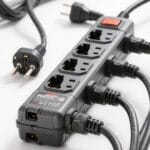
A clear set of warning signs helps identify extension cord overload before it causes damage or fire. Common warning signs include frequent circuit breaker trips and flickering lights when multiple devices draw current. The cord becoming warm to the touch or showing visible damage, such as frayed insulation, indicates overheating and possible overload. Persistent burning odors near outlets or cords require immediate attention and cessation of use. If excessive devices are connected, the cord and circuit may be rated only 15 A, 14 AWG, UL Listed; this should be verified. Inspection steps: 1) unplug all devices, 2) examine cord for scarring or soft spots, 3) replace if damage or heat is present (use replacement code EC-14-15A or equivalent). Document findings and notify qualified technician. For outdoor or heavy-duty use, confirm the cord’s SJTW rating and conductor gauge before deployment.
Why Extension Cords Overheat
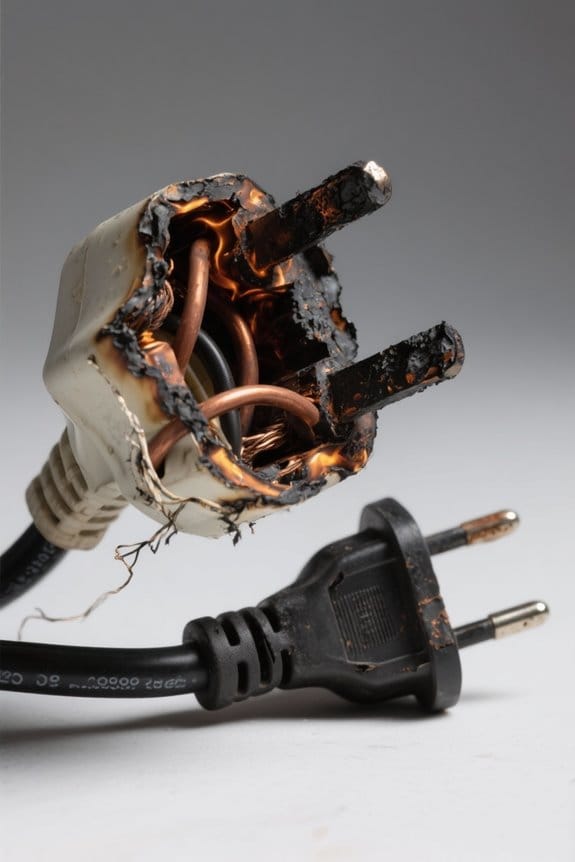
After identifying warning signs, users should learn why extension cords overheat to prevent further damage or fire. Extension Cords overheat when electrical load exceeds the cord’s rated capacity, for example 13 A on an SJTOW 16/3 cord. Using multiple high-wattage appliances on one cord raises power draw and causes heating within 2–10 minutes under heavy use. Poor connections, long runs over 50 feet, or damaged insulation increase resistance and local hot spots. Continuous use with heaters or refrigerators can melt insulation and create burning smells or sparks. Inspect cords for signs of wear, including frayed wires or discoloration, and replace cords with UL-listed models like UL62 or UL817. Follow electrical safety steps: stop use, unplug, and match appliance amperage to cord rating immediately today. Also consider keeping cords stored in weather-resistant containers made from 1680 denier materials to protect them from moisture and abrasion when not in use.
Recommended Products

Lighted End and Extra Size for Safety: The power socket indicator light shows that power is on and the heavy duty extension cord 25 ft is ready for work; Extra size male NEMA 5-15P power plug and female NEMA 5-15R power socket for safety; It is thicker and more durable than the normal type on market and has high insulation safety performance to prevent electric shock; ETL/cETL listed for safe approval
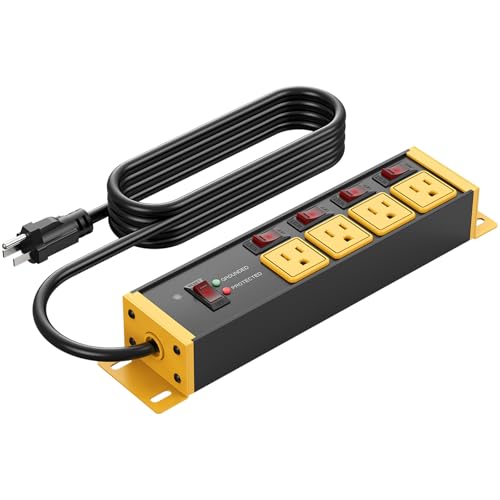
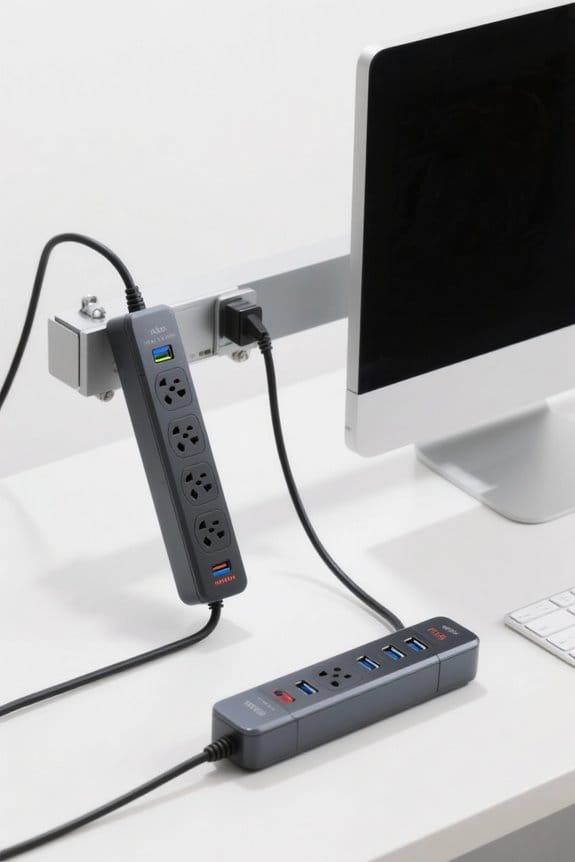
Heavy duty power strip 20 amp with 4 outlets and individual switches, 5-20R, 6-20R and come with standard 3 prong 5-15P plug. Wall mount design, can be applied to high power industrial equipment.
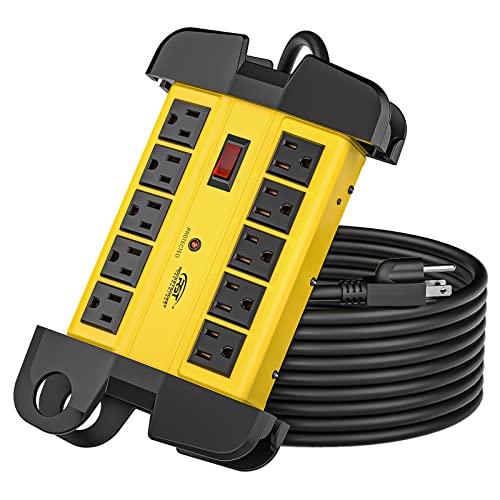
--Sturdy, extruded aluminum housing stands and Surge Protection constructed. CRST Industrial Power Strip is perfect for construction site, labs, and other harsh environments.
Recognizing Visual Damage and Wear
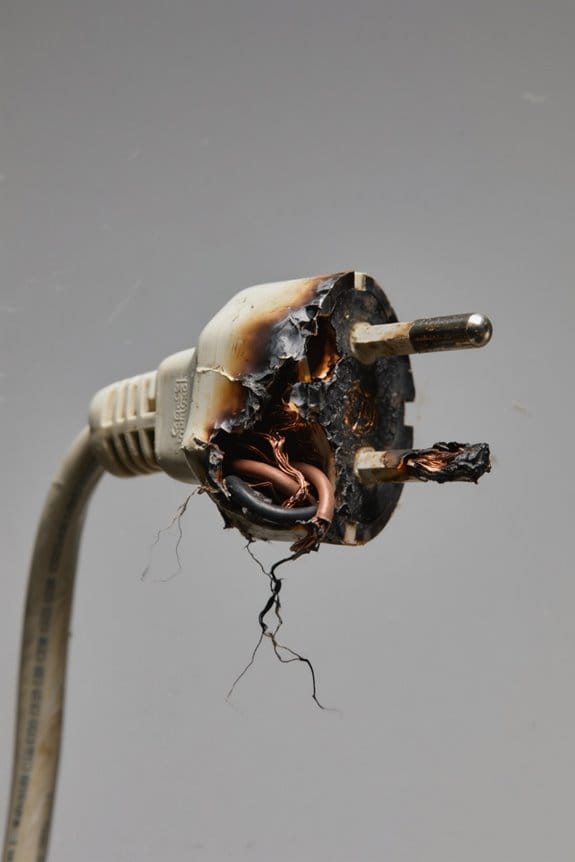
Inspection should include checking for frayed or exposed wires, burn marks, loose plugs, excessive warmth, and buzzing sounds. Technicians note frayed wires and exposed wires along the sheath, measuring damaged areas to within 1 cm. Visible burn marks or discoloration near plugs, model UL1234 or similar, indicate overheating from excessive current flow and possible overloads, requiring immediate removal. Steps: one, unplug and tag the cord; two, inspect for loose connections at both ends; three, document findings with photos. Warm cords felt above 40°C on a contact thermometer, or buzzing sounds near terminals, should be treated as electrical hazards and quarantined. Replace any cord showing damage, use one rated for the device amperage, for example 15A, 125V, part number EC-15-125, within 24 hours immediately thereafter. Select a cord with 12 AWG or thicker construction to reduce voltage drop and ensure safer tool operation on job sites.
Recommended Products

ETL Listed and Trusted: Heavy duty extension cord 15 ft rated 15 Amps, 1875 Watts and 125 VAC; Male NEMA 5-15P and female NEMA 5-15R; It is ETL/cETL Listed; ensuring its compliance with strict safety standards; Each outdoor extension cord passes a 2500V high voltage test before leaving the factory to ensure safety; Reliability and efficiency outdoor extension cord waterproof are capable of meeting most electrical needs

Product Specification:12AWG 25 ft extension cord; outdoor extension cord power 15Amp 1875W; 12 gauge extension cord plug model 5-15P/R;temperature range: -58°F to +158°F; 25ft extension cord ETL/cETL certified; heavy duty extension cord is a great peace of mind for power tools, gardening equipment and outdoor lighting

High Quality: 12/3 extension cord 25 foot, 15 amp, 125 volt, 1875 watt, NEMA 5-15P to NEMA 5-15R, ETL/cETL listed; The 3 outlet extension cord outdoor has 3 way plug outdoor; Heavy duty extension cord with multiple outlets can power multiple appliances at the same time; Making maximum use of existing resources
Smell and Sound Indicators of Overload
Technicians should monitor smells and sounds near extension cords as early indicators of overheating and potential overload conditions. A burning smell or persistent odor suggests the cord is overloaded or insulation is failing. Buzzing or crackling sound often indicates loose connections or damaged conductors and may precede arcing and electrical fires. Inspect cord length, load, and rating regularly; cords longer than 25 ft reduce capacity about 10%. Use a clamp meter (model CM-3240) to measure current and compare to the cord’s printed amp rating, e.g., 13A for many 16-gauge cords. If popping or arcing sounds occur, de-energize immediately and tag the cord “Do not use,” product code UL-XYZ123. Replace with a UL-listed cord matching device wattage, record actions daily in maintenance log. For outdoor use and heavy loads, prefer thicker wiring such as 12-gauge cords to minimize voltage drop and overheating.
Signs at Outlets, Plugs, and Wall Plates
How can signs at outlets, plugs, and wall plates reveal an overloaded circuit or damaged wiring before a failure occurs? Warm or discolored faces, typically 100–140°F, point to excessive electrical load from extension cords. Frequent tripping of breaker 15A or 20A circuits indicates sustained overload. Buzzing or crackling at plugs and plates often signals loose terminal connections. A burning smell near receptacles requires immediate shutdown, unplugging, and testing with a non-contact voltage tester (Model VT02). Scorched or melted plastic, charred NEMA 5-15 plugs, or wall plates show heat damage from overloaded circuits. Technicians should follow step-by-step safety measures: de-energize circuit, remove cover, tighten connections to 12 in-lb torque, replace damaged parts, and avoid using extension cords long-term to prevent dangerous situations, inspect monthly visually. Choose materials and methods that permit residue-free removal to maintain a clean, professional appearance and prevent added hazards.
Electrical Performance Symptoms to Watch For
Electrical performance symptoms provide early warning of overloaded extension cords, helping prevent fires and equipment damage when noted and acted upon promptly. Frequent tripped circuit breakers or a tripped circuit indicate overload from too many devices plugged into extension cords on 15 A circuit. Flickering lights or dimming when appliances start are warning signs that the cord or 14 AWG cable is overloaded. Warm outlets or warm extension cords, surface temperature above 40°C measured with a thermometer, require immediate load reduction. Buzzing, crackling, or burning smells near plugs indicate electrical issues and damaged insulation; unplug and isolate the cord immediately. Step: count devices, redistribute so each circuit is under 80% load, measure with clamp meter CM-10, and consult a professional for electrical safety. Also check the wire gauge, such as 14 AWG, to ensure the cord can handle the load.
Risks and Potential Damage From Overloaded Cords
Overloaded extension cords can generate dangerous heat that melts insulation and raises residential fire risk, especially on 14 AWG, 15 A circuits. The article explains risks from overloaded cords including electrical fires caused by excessive heat and insulation failure. Voltage drops of 5–15% on 120 V circuits can cause flickering lights and damage electronics. Frequent cord use may signal inadequate permanent wiring and increases electrical shocks risk. Inspect cords for frayed insulation or burn marks and replace UL-listed models (UL 817, CSA C22.2) when damage appears. For high-draw devices, use 12 AWG, 20 A rated extension cords. Step 1: unplug load. Step 2: check amp draw with clamp meter (A), Step 3: match cord rating to device and consult electrician for permanent wiring upgrades. Consider using surge protectors with 3000+ joules for added protection.
Immediate Steps to Take When You Suspect Overload
The first action is to unplug all devices connected to the extension cord to prevent overheating and reduce fire risk. Then switch off the circuit breaker at the panel, note the breaker label (for example NEMA 5-15), and cut power immediately. After power is off, inspect extension cords, then inspect extension cord for discoloration, frays, exposed wires, melting, and heat softening, carefully. If signs of an overloaded circuit appear, label the cord unsafe, remove it from service, and record the outlet and date. Redistribute electrical devices across different outlets or circuits, keeping each circuit under 80 percent of 15A rated capacity to reduce load. If tripping continues or potential overheating recurs, consult licensed electrician for calculations, specific product codes, and replacement recommendations. Also consider using high-temperature materials like PET braided sleeves in heat-prone areas to enhance protection.
Recommended Products

ETL Listed and Trusted: 25 ft extension cord rated 13 Amps, 1625 Watts and 125 VAC; Male NEMA 5-15P and female NEMA 5-15R; It is ETL/cETL Listed; Ensuring its compliance with strict safety standards; Each outdoor extension cord passes a 2500V high voltage test before leaving the factory to ensure safety; Before use, please check the rated voltage, current, and power of the appliance to avoid exceeding 125V, 13A, and 1625W
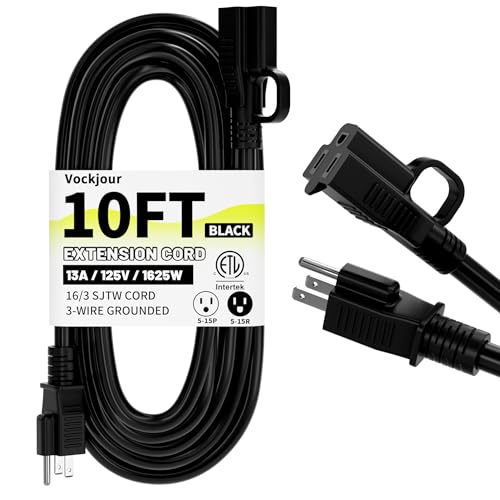
ETL Listed:16 AWG extension cord 10 ft, 125 volts, 13 amps, 1625 watts, 5-15P/R,3 prong extension cord Temperature Range -58°F to +158°F; Heavy duty extension cord ETL/cETL Approved

3-OUTLET EXTENSION CORD — Convert one grounded outlet into three grounded three-prong outlets to power multiple electronics at one convenient location, perfect for home offices, media centers and workspaces
How to Test an Extension Cord Safely
When testing an extension cord, begin while it is unplugged and the circuit breaker is off to prevent shock or arc. The inspector first checks for visible damage, fraying, burn marks, or kinks along the full 10 ft to 100 ft length. Next use a digital multimeter (e.g., Fluke 117) set to continuity, probe tip 1 mm, to confirm electrical current path and resistance under 2 ohms. Then plug into a properly rated 15 A, 120 V outlet and run a 60 W lamp or 1500 W heater to observe load. Feel for unusual heat every 5 minutes; any overheating or warm spots indicate overload signs. If a built-in circuit breaker exists, trip and press reset; failure to reset signals internal fault. Replace immediately. Prefer 12/3 gauge cords for heavy tools to minimize voltage drop and handle higher amperage.
Recommended Products

6 Feet Banana Plug Male to Female Test Lead Extension : 1Pcs Red and Pcs Black.

Rigid Back Test Pin Set
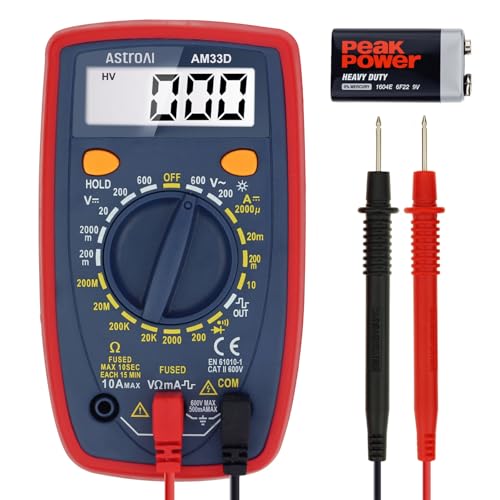
Additional Tips - The following incorrect operations may cause the multimeter not to show results: Firstly, the plugs of test leads are not fully inserted or not inserted into the correct sockets. Secondly, the manual rotary switch is not placed in the correct position. In addition, this meter can not test all AC Current and below 100mV AC Voltage. Please check the user manual carefully before measurement.
Preventive Measures and Best Practices for Safe Use
Start by inspecting and selecting cords that match the load and environment, for example a 14-gauge, 3-conductor cord rated 15 A, 120 V, 1800 W. Inspect cords for frayed insulation, melted plugs, burnt odor, or heat buildup at connectors and along the jacket. Use extension cords with built-in surge protectors to guard electrical systems from voltage spikes and overload. Limit devices per cord to avoid exceeding 15 amps or 1800 watts, and distribute high-power appliances across multiple outlets. Do not run cords under rugs or through doorways, as this can trap heat and damage insulation. To prevent risks, label cords with load ratings, record connected device wattages, and replace any cord showing damage. For clarity, you can test load sums before each use regularly. Also prefer UL-listed 14 AWG SJT cords rated 15A/125V to ensure proper grounding and heat resistance.
Recommended Products

POWERS MAJOR APPLIANCES - Ideal as an air conditioner extension cord, refrigerator extension cord, microwave extension cord, and high voltage extension cord for power tools or large appliances including washer, dryer, and dishwasher.

【 15 AMP Heavy Duty 】6 Grounded 3 prong AC outlets; 15A / 120V / 1800W high power; heavy duty power strip surge protector is perfect for entertainment centers, offices, and anywhere multiple devices need power
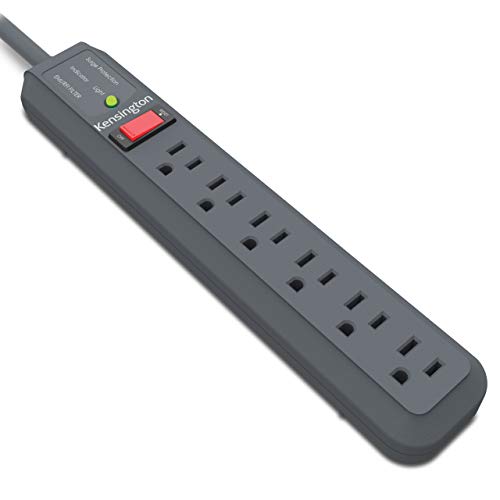
Safeguard equipment with 540 joules of surge protection
When to Call a Licensed Electrician
If circuit breakers trip repeatedly while an extension cord rated 15 A, 120 V, 1800 W is in use, a licensed electrician should be contacted immediately. Repeated tripped breaker events suggest an overloaded circuit or damaged wiring. Warm cords, discolored outlets, burning odors, or unusual noises require immediate professional evaluation. Dimming lights or slow appliance operation may indicate inadequate circuit capacity. The electrician will perform electrical inspections, measure load in amps, and test neutral and ground connections. They can recommend additional outlets, replace power strips with permanent wiring, or install dedicated circuits. A safety feature check will confirm breakers are functioning to code and AFCI/GFCI protection is present. Follow the electrician’s step-by-step report and schedule repairs promptly to reduce fire risk, and restore safety.
Frequently Asked Questions
How to Tell if an Extension Cord Is Overloaded?
They test warmth theory: buzzing. extension cord basics, electrical safety practices, common extension faults, extension cord ratings, surge protection tips, device wattage calculations, proper usage guidelines, heat generation signs, power outlet capacity, seasonal safety checks.
What Happens When You Overload an Extension Cord?
Overloaded extension cord poses extension cord risks: heat generation concerns, voltage drop effects, melted insulation signs, circuit breaker trips, electrical fire hazards, appliance performance issues; heed wattage rating importance, safety regulations overview, surge protection features.
How Many Extension Cords Is Too Much?
One is the limit, generally. Extension cord safety, power wattage limits, cord gauge understanding, multiple devices usage, circuit breaker function, household power needs, electrical surge protection, home office setup, outdoor cord guidelines, temporary power solutions.
How Do You Know if You Are Overloading a Power Strip?
Exceeding 1,500 watts signals commonly overload; for power strip safety, one notices heat generation, voltage fluctuations, tripped overload protection. Observers check device wattage, appliance ratings, circuit capacities, extension cord types, home wiring, electrical surge risk.