As an Amazon Associate, we earn from qualifying purchases. Some links on this site are affiliate links at no extra cost to you. Our recommendations are based on thorough research and editorial judgment.

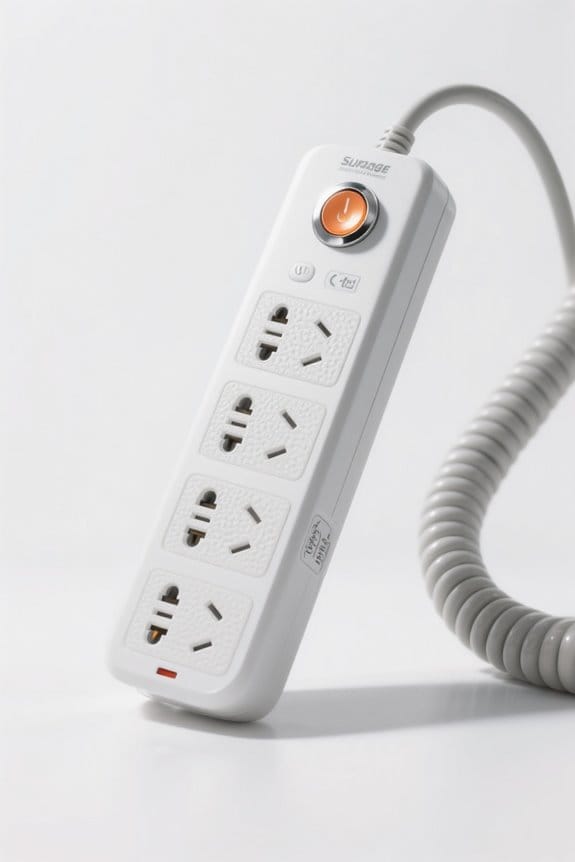
How to Test if Your Surge Protector Is Still Working

To test a surge protector, first note the model number and unplug the unit; check the indicator LED—steady green means protection active, no light or red means replace. You can set a digital multimeter to continuity or resistance (Ω), measure hot-to-neutral and hot-to-ground; expect low ohms on hot-neutral and infinite on hot-ground. Inspect for burn marks, melted plastic, or burnt odor. Replace units older than 3–5 years. Continue for step‑by‑step test thresholds and professional options.
Key Takeaways
- Verify the protector’s status LED: steady green means protected, unlit or red indicates replacement or further testing needed.
- Unplug the unit and inspect housing, outlets, and cord for burn marks, melted plastic, cracked casing, or burnt odors.
- Use a digital multimeter (continuity/resistance) between hot-neutral, hot-ground, and neutral-ground to check for proper connections and shorts.
- Test with a known-working device and resetable breakers: if connected equipment trips or shows faults, stop using the protector immediately.
- Replace units older than 3–5 years or contact a licensed electrician for clamping-voltage testing and documented assessment.
Why Surge Protector Testing Matters in Arvada
You may be interested
Because Arvada experiences lightning strikes and grid fluctuations, regular surge protector testing reduces risk to electronics and appliances. The community benefits from routine inspection of surge protectors and overall surge protection, which limits damage during power spikes. Inspections are recommended once or twice per year and replacement is advised after 3 to 5 years of service. Indicator lights provide an immediate status readout; a steady green light typically indicates functional protection. Homeowners may record device model and date, for example SPD-1200 or MR-9X42, and note installation locations and serial numbers. For enhanced safety, contracting licensed electricians such as Controlling Systems Heating, AC, and Electrical Repair is advised. Professionals can perform formal assessments, document results, and schedule future inspections for consistent protection. Replace when necessary. Many recommended surge protectors have high joules ratings—for example, models with 3,940 joules provide robust protection for valuable electronics.
First Steps to Check Your Surge Protector
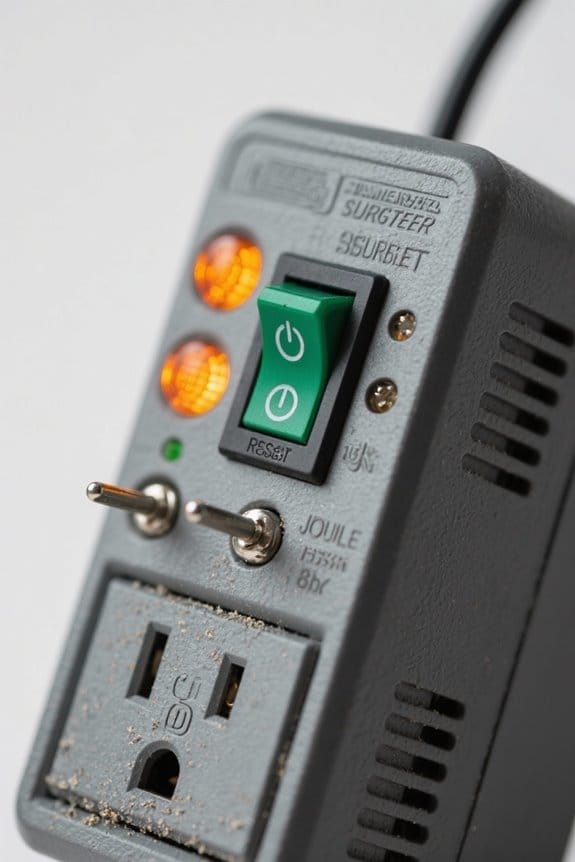
After recording model numbers and installation locations, the first physical check should focus on the surge protector’s indicator light and exterior condition. The inspector should unplug the unit before touching any cord or outlet, to avoid shock. Next, perform a close visual scan for burn marks, melted plastic, or loose outlets, noting any damage with photos and measurements. Use smell to detect burnt odors near vents and plugs; a persistent burnt odor indicates the Protection Device,needs to be replaced. Verify all cable connections for frays, exposed wires, or loose plugs. Measure cord length and plug tightness; typical cords are 1.5–3.0 meters, so note deviations. Record findings and cease use immediately if significant damage appears. Contact a licensed electrician for any uncertain or unsafe observations. Also check the LED protection status light to confirm the unit still indicates protection.
Recommended Products

11-in-1 Power: Features 8 AC outlets, 2 USB-A ports, and 1 USB-C port—enough to keep an entire room powered up.
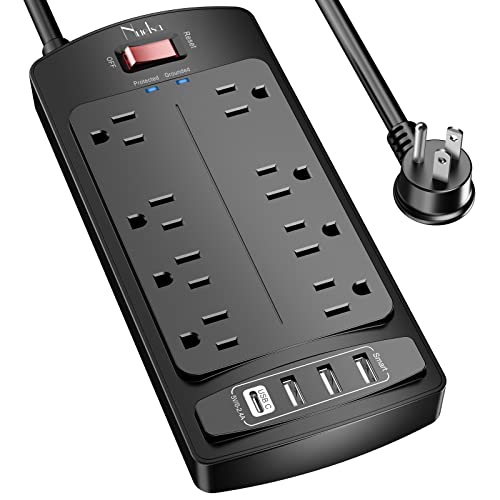
【Power Strip with 8AC outlets & 4 USB】- Power bars with surge protector with 8AC outlets & 4 USB charging ports (1 USB C Outlet), 6 Feet Heavy Duty extension cord, surge protector(2700 Joules) with overload protection protects against spikes and fluctuations.

★Multi Function Power Strip: Power strip surge protector with 12AC outlets & 4 USB charging ports, 6-foot Heavy Duty power extension cord, surge protector (2700 Joules)with overload protection protects against spikes and fluctuations.
Inspecting LED Indicators and Visual Warning Signs

How should an inspector check LED indicators and visible damage on a surge protector such as model SPT-1000 and SURGEPRO-3K? An inspector first notes LED indicators status: a steady green light means protection active, a non-lit or red light indicates replacement. Next, perform visual inspections for burn marks, melted plastic, cracks, or discoloration along the housing and cord. Check for a burnt odor by briefly sniffing near vents, and immediately disconnect if smell is present. Verify plugs and connections seat fully with no wobble; measure cord length and note any kinks or frays. After thunderstorms, repeat these checks within 24 hours. Document findings with model numbers, date, and a 5 cm photograph of any damage. Replace units showing faults. Do not reuse damaged units. Consider replacing units with housings made from heavy-duty plastic or metal to improve durability.
Recommended Products

[SURGE PROTECTION] 245J. It prevents storms and surges from reaching your electronics at their peak.Helps keep plugged devices safe.

★ Multi Function Power Strip:Power strip surge protector with 10AC outlets & 4 USB charging ports, 6-foot Heavy Duty power extension cord(1875W/15A), surge protector (2700 Joules)with overload protection protects against spikes and fluctuations.Wide range voltage design, can be used on 120v to 240v circuit
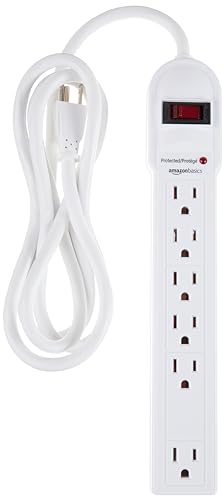
IN THE BOX: Surge protector power strip in White for protecting small appliances, phones, lamps, and more from potentially damaging power surges
Basic Multimeter Tests You Can Perform at Home
An inspector should begin by unplugging the surge protector, noting the model (SPT-1000 or SURGEPRO-3K) and the test date. Using a digital multimeter set to continuity or resistance, you can carefully measure ohms between hot and neutral prongs. Expect a low resistance reading, which indicates functionality of the Surge protector and proper internal connection through the clamping components. Next, you can check for shorts by measuring continuity between hot and ground prongs, and between neutral and ground prongs, separately. There should be no continuity in those ground checks; infinite resistance or any continuity suggests the surge tester or protector has failed. Replace the device immediately if failure is detected, and repeat testing every six months to help prevent damage to connected electronics and appliances. For critical devices, choose protectors with high surge joules ratings to ensure better energy absorption and protection.
Recommended Products

DITEK DTK-120/240CM+ Surge ARRESTOR, Parallel Protector, Multi-Purpose, NEMA 4X, UL1449 Listed, SPD, Type 1, 2W(+G), 120/240VAC

SINGLE OUTLET SURGE PROTECTOR: Portable travel surge protector features 1 outlet and a 600 Joule rating at less than 1 nanosecond response time. Diagnostic LEDs green "Protected" and red "Grounded" LED illuminates to show device is operating.
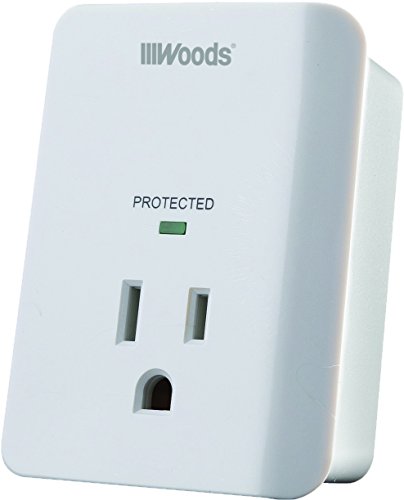
Compact Protection: The Southwire Surge Protector offers 1 grounded outlet, 1080J appliance surge protector, and LED safety status light with alarm for reliable electrical overload protection
When to Hire a Professional for Surge Protector Testing
A homeowner who notices a nonworking indicator light, a red status LED, a burnt smell, or visible melting should contact a licensed electrician for testing. A professional inspects visual damage, measures clamping voltage with calibrated meters (±1 V), and verifies continuity of MOV and TVS components. If a device is older than 3–5 years, the technician records model and serial numbers, tests dry contact circuits (if present), and configures remote monitoring per manufacturer code 610-RT. For households without surge testers, hiring an expert guarantees accurate results and confirms whether the surge protector is still functional or will need to be replaced. Technicians provide a written report with measured clamping voltage, leakage current, and replacement recommendations and safety checks, typically within 30–60 minutes on site. They should also verify the device’s joule rating, aiming for at least 3,940 joules to ensure robust defense against power spikes.
Recommended Products
![GEARGO RV Surge Protectors 30 Amp RV Circuit Analyzer, [𝟐𝟎𝟐𝟔 𝐍𝐞𝐰 𝐔𝐩𝐠𝐫𝐚𝐝𝐞𝐝 & 𝐆𝐞𝐧𝟐] Full Protection, RV Adapter Plug for Camper(Orange)](https://m.media-amazon.com/images/I/41v2+s9a0CL._SL500_.jpg)
Portable RV Surge Protectors: GEARGO RV Surge Protectors are designed to identifies faulty power and offers 8000 Joules of surge protection. The adapter circuit analysis instrument is used to detect the connection error of the electric system with a grounded safety feature for your electronic equipment.
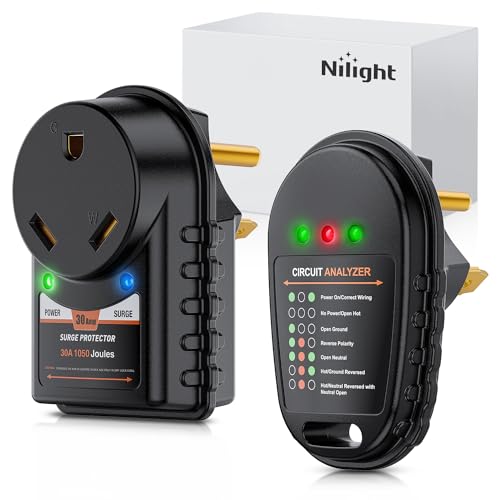
30 AMP RV Surge Protector: Features NEMA TT-30P & NEMA TT-30R connections and is rated for 125 volts/3750 watts, 1050 Joules 22500A max spike. This RV surge protector can identify faulty RV park power, protects your RV from dangerously high or low voltage levels and power surges, keep your RV safe and guard your RV power system. It is compatible with most RVs, campers, trailers and motorhomes.

MULTI-OUTLET SURGE PROTECTOR: Power everything on your desk with a single compact multi outlet extension cord; 12 AC outlets with surge protection charge your computer, laptop, phone, camera, etc.
Understanding Lifespan and End-Of-Life Indicators
Although a surge protector typically lasts 3–5 years, it may show no visible failure signs until it reaches end of life. The user should track installation date, model number (e.g., APC P11VT3, Belkin BV108000-06), and cumulative surge joules such as 600J–3,000J. Inspect LED status weekly; lit LED denotes active protection, unlit LED suggests replacement. Advanced units may emit an audible alarm or send SNMP trap to monitoring hardware. For a basic check, disconnect load, press TEST button for 2 seconds, observe LED response. If no change, mark unit EOL and remove from service. Record disposal date and replace with a rated unit. End-of-life indicators prevent false confidence and protect connected equipment from unseen surge damage. Document model, serial number, and replacement date in log. Also consider the cord AWG ratings such as 12–16 AWG when evaluating connected equipment capacity.
Whole-Home Surge Protection and Upgrade Options
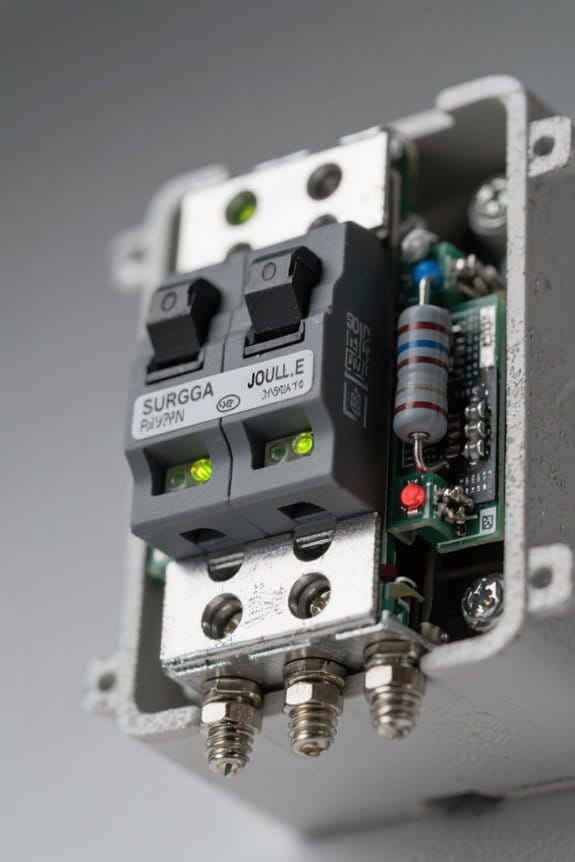
Because whole-home surge protectors sit at the main panel, homeowners should select UL 1449 Type 1 units like Eaton CHSPT2ULTRA or Square D HEPD80. A whole-home surge protection unit mounts within 12 inches of the meter or main breaker, wired with 8 AWG copper for 100 A panels, or 6 AWG for 200 A. These devices absorb large transients from lightning and utility switching. Inspect every 3 to 5 years; licensed electricians check MOV status and replace modules when degradation appears. Testing involves measuring continuity, voltage drop, and indicator status per manufacturer steps. Replace with identical UL-listed models when LEDs indicate failure. Documentation helps confirm equipment is working, and upgrades extend device life and protect all connected appliances from surge damage per code requirements. Many models offer surge capacities ranging from 36kA to 108kA+ to accommodate large transients and protect against lightning.
Recommended Products
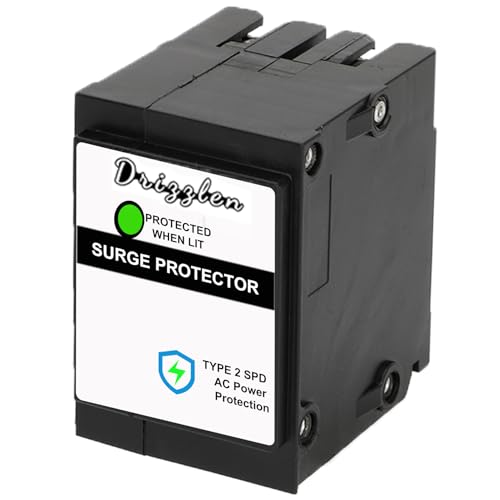
Uses 2 Branch Circuit Spaces
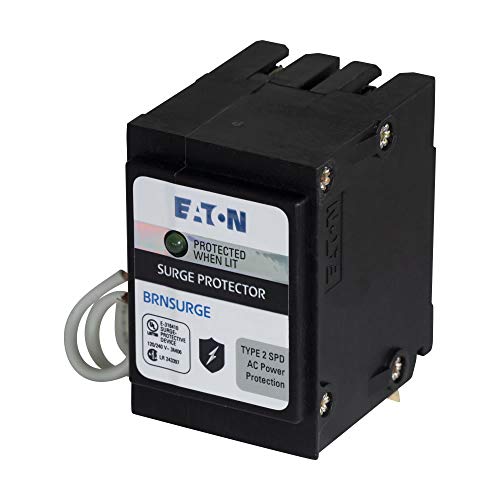
Uses 2 Branch Circuit Spaces

Universally connects to any manufacturer's load center (breaker box)
Frequently Asked Questions
How to Tell if a Surge Protector Is Still Working?
They verify a surge protector is functioning by checking indicator lights, inspecting for burns or loosened outlets, sniffing for burnt odor, using multimeter continuity tests, and regularly monitoring connections—testing methods for evaluating surge protector longevity.
Is There a Way to Test a Surge Protector?
Yes. One can perform surge protector testing by checking indicator lights, inspecting for damage, using a multimeter or plugging a lamp, and using a specialized surge tester; these steps support electrical safety when evaluating protection.
How to Tell if a Surge Protector Needs to Be Replaced?
Like a tired guardian, it should be replaced when indicator light fails, visible signs of wear or damage appear, odd odors arise, surge protector lifespan is exceeded (3–5 years), or multimeter testing shows no continuity.
Do Surge Protectors Lose Their Effectiveness?
They do; a surge protector lifespan is finite, and repeated voltage spikes gradually degrade its components, often without visible signs. Regular checks are advised after major storms or spikes to guarantee continued protection, timely replacement.