As an Amazon Associate, we earn from qualifying purchases. Some links on this site are affiliate links at no extra cost to you. Our recommendations are based on thorough research and editorial judgment.

Home Troubleshooting: Power Strip Failures

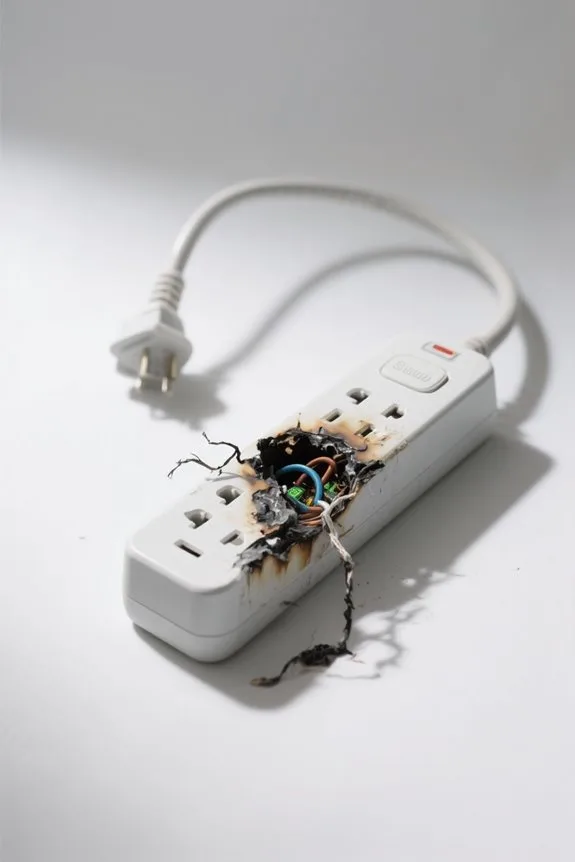
Technicians inspect power strip model PS-6B (6 outlets, 30 cm × 3 cm) with a 1.8 m 14 AWG cord, 120 V and a 15 A breaker. If devices lose power, unplug loads, check for frayed cord or scorch marks, test the wall outlet, press reset, reconnect one device at a time. The MOV surge module is rated 600 J and lasts about 3–5 years. Replace on burning smell or frequent trips, you can proceed.
Key Takeaways
- Unplug all devices, inspect the strip and cord for scorch marks, melted plastic, frays, or a burning smell before further testing.
- Test the wall outlet with a known-good device to rule out outlet failure before blaming the power strip.
- Press the reset button, then reconnect one device at a time to identify overloads or intermittent device-caused problems.
- If the circuit breaker trips frequently or indicator lights fail, replace the strip immediately—surge modules degrade after 3–5 years.
- Call a licensed electrician for sparks, persistent overheating, loose neutrals/grounds, or visible internal damage.
Understanding Power Strip Components
You may be interested
Overview: A power strip contains outlets, a power cord, a circuit breaker, surge protection elements, and an on/off switch for central control. A typical unit (model PS-6B, 6 outlets) fits on a desk, measuring 30 cm long and 3 cm high. The power cord is 1.8 m long, rated 14 AWG, and connects to a 120 V wall outlet. The internal circuit breaker trips at about 15 A to prevent overloads. A surge protector module (MOV type, rated 600 J) absorbs spikes from lightning or grid switching. For electrical safety, limit devices connected and keep total load under 80% of breaker rating, for example under 12 A. For inspection, you can test continuity with a multimeter set to 200 Ω. Replace damaged cords promptly. Many professionals prefer residue-free tapes for clean removability in related equipment setups.
Common Power Strip Issues
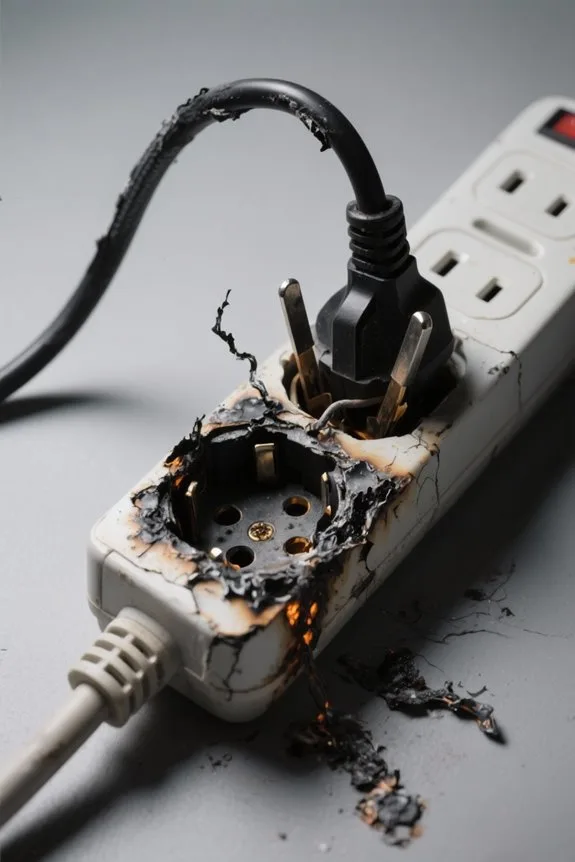
Many power strips, including the PS-6B model, fail in predictable ways that require specific checks and measured responses. Common issues include no power to devices, intermittent power, and frequent tripping of the breaker. An overloaded strip exceeding 1,500 watts will shut down. A power surge can degrade surge protection components in three to five years. Burnt smell, sparks, fraying cords, melted plastic, and discolored outlets are visible damage and demand replacement. If intermittent supply occurs, internal wiring or component failure is likely. Inspect for signs of wear, record model PS-6B and date, then remove from service if aged beyond five years. For suspected overheating, disconnect power, allow 30 minutes cool-down, and replace with certified unit. Maintain a log and test replacements for safe operation. Prefer units with UL 1449 certification and higher joule ratings for better long-term protection.
Recommended Products

【4+4 Outlets Power Strip with 4 USB Ports】- The 3-side power strip with 8AC widely outlets and 4 USB charging ports, each USB A port features 5V/2.4A Max output. USB C charging port features 5V/3A MAX. can power up to 12 devices simultaneously.

【Multi Function Power Strip】:Surge Protector Power Strip with 12AC outlets & 4 USB charging ports, 6-foot Heavy Duty power extension cord, surge protector(2700 Joules) with overload protection protects against spikes and fluctuations.Wide range voltage design, can be used on 120v to 240v circuit.

【Surge Protector for All】 - 6 outlets surge protector power strip with 900-joule surge-protection rating provides 3-line comprehensive surge-protection for computer, TV and other household, office electrical appliances from voltage fluctuations, surges and spikes.
Initial Diagnostic Steps
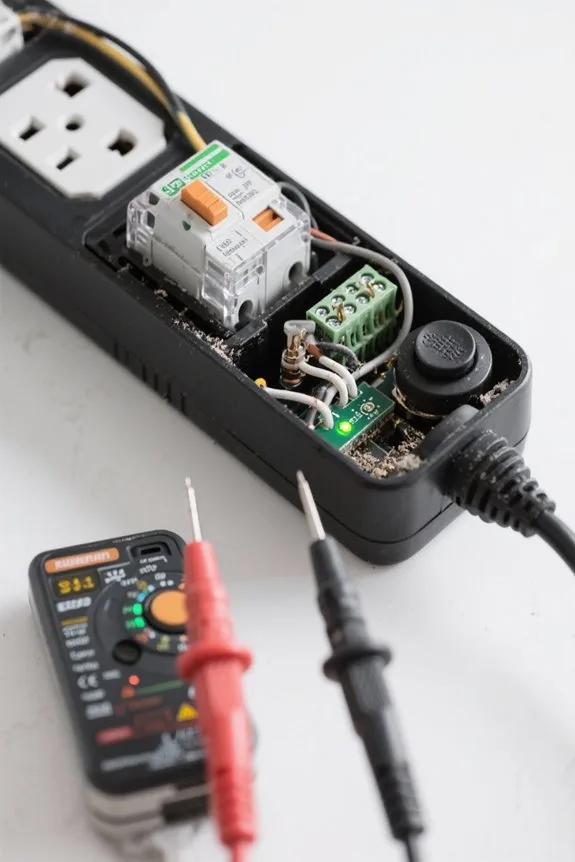
After recording the PS-6B model and service date, the user should unplug all devices to eliminate overloads or faulty equipment. Next, a technician should unplug all devices and label cords, then inspect your power strip for visible damage such as frayed insulation, melted plastic, or scorch marks. Measure cord length and plug dimensions, 1.8 m and standard NEMA 5-15, to confirm compatibility. Test the wall outlet with a known-good device rated 120 V, 60 Hz. Locate a circuit breaker or reset button and press firmly for three seconds. Reconnect devices one at a time, noting load and current. Watch for overloading the strip by staying under 15 A continuous draw. Record findings and plan repair or replacement. Document photos with date stamps and serials. For replacement cords, choose 14 AWG or 16 AWG cords rated for 10–15 A to prevent overheating and ensure safe operation.
Recommended Products

【28-in-1 Versatile Power Strip】 FCC, RoHS safety certified, with the extension cord and flat plug certified by UL. Superdanny power strip surge protector has 22 grounded 3-prong outlets and 6 USB ports, providing power for all devices that you need to plug in at one location. Perfect for gaming or media set up, surround sound system, TV, phone, tablet, PC, laptop, gaming computers, lamps, and other devices simultaneously.

10-IN-1 Surge Protector Power Strip, USB Fast Charging Station: 6 AC Outlets 125V/15A/1875W, 2 USB-A Ports 5V/2.4A MAX, 2 USB-C Ports 5V/3A MAX, 4 USB Ports total 5V/3.1A output. Equipped with intelligent charging system, this power strip with surge protection can auto-detect and deliver the optimal charging speed for your electronic devices.

Slim and Efficient: Sleek dimensions of 6.29 × 3.13 × 1.22-inch ensure your desk remains clutter-free while consistently delivering reliable power.
Safety Precautions Before Troubleshooting
Before any inspection, the technician should unplug every device from the power strip to prevent electric shock and further equipment damage immediately. They unplug devices, and as safety precautions, the technician examines the strip and cord for visible signs like frayed insulation or burned plastic. They verify the wall outlet by plugging a lamp or charger rated 5V,2A into the socket to test the power source. The area must be dry and ventilated to at least 0.5 m clearance around the strip before measurements. Only personnel experienced with electrical tools should use a multimeter, for example a Fluke 117, and follow the device manual step-by-step safely. They record voltage and continuity, compare them to ratings like 120VAC, 15A, model PS-823, then decide strip status. Ensure the power strip or connected work light cord has a suitable waterproof rating to reduce risk when used in moist or outdoor environments.
Step-by-Step Troubleshooting Guide
Start by unplugging every device from the power strip and placing the strip on a non-conductive surface with 0.5 m clearance. The technician then inspects for visible damage along the cord and outlets, noting frayed wires or burn marks. Next test the strip in a different wall outlet to isolate wall issues from power strips faults. Press the reset button to restore the internal circuit breaker, after confirming no overloaded electrical devices are connected. Use a multimeter set to continuity to check sockets and cord sections, following model MM1000 or equivalent. Check for loose connections at plug prongs and internal screws if accessible, tightening to manufacturer torque. If continuity fails or loose connections persist, proceed to recorded diagnostics and service recommendations and document all steps. Always verify compliance with UL 1449 and other applicable standards when replacing or servicing medical-grade equipment.
Recommended Products

Power More – Each adapter has 6 grounded outlets and accepts 3 bulky AC adapters and 3 standard plugs

【10FT Extension Cord with Flat Plug】- The durable cord is 10 ft / 3 meters long with a 3-prong angle plug convenient for tight spaces. This extension cord is UL approved with right angle low-profile flat plug is perfect for the hard-to-reach outlets behind your bed or sofa. Braided power cord is very thick, flexible and has better current carrying capacity (15A).
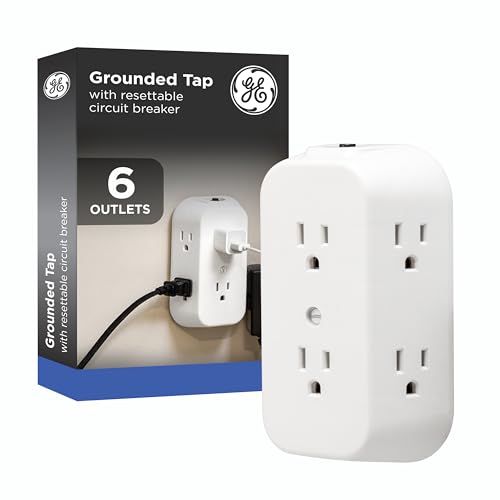
Power More – Turn two outlets into six with the grounded wall tap to power your home or office electronics
When to Replace Your Power Strip
When should a power strip be replaced, and how can a homeowner determine that quickly and safely? A homeowner should replace power strips after three to five years because surge protectors degrade. Inspect for signs of burning, burnt smell, sparks, melted plastic, or discoloration. Check the indicator light; if missing or off on models like PS-1200 or PR-500, replace the unit. Verify cord length and rating, 6 ft, 15 A, 125 V, for compatibility. If the internal circuit breaker trips frequently, even with devices unplugged, discard immediately. Follow step-by-step: unplug unit, visually inspect, test indicator light with known live outlet, and note model and date code on label (e.g., MFG2022). You can then safely replace the strip. Keep records for warranty and safety, always. Consider units with 3,000+ joules for high-value LCD TVs to provide stronger surge protection.
Recommended Products
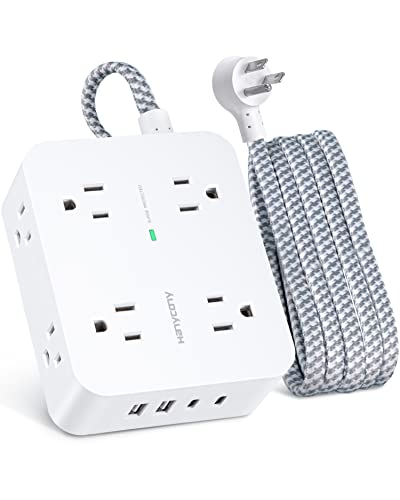
【12 IN 1 Power Strip with USB】- The 3-side power strip surge protector with 8AC widely outlets and 4 USB charging ports(Total 5V/3.1A) can power up to 12 devices simultaneously. It could charge your cellphone, laptop, tablet, cameras without a variety of converters, save your space and make your desktop organize, perfect suitable for your desktop or nightstand home, office, travel, college dorm room
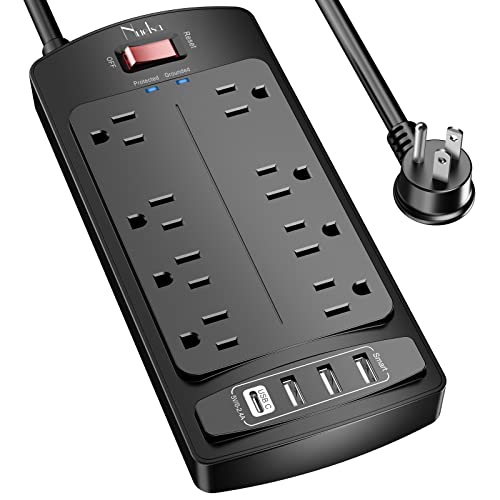
【Power Strip with 8AC outlets & 4 USB】- Power bars with surge protector with 8AC outlets & 4 USB charging ports (1 USB C Outlet), 6 Feet Heavy Duty extension cord, surge protector(2700 Joules) with overload protection protects against spikes and fluctuations.
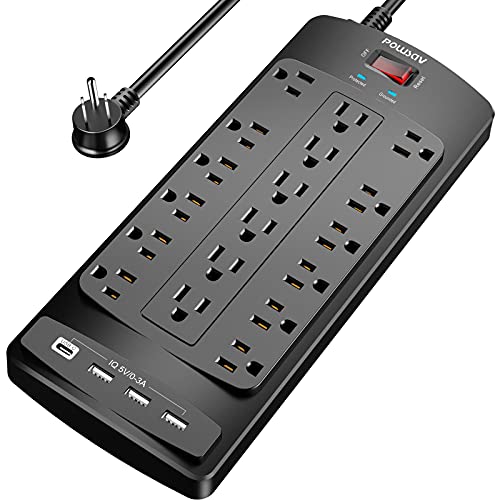
Power Strip with 18 outlets & 4 USB Ports: 18AC outlets & 4 USB ports, power strip with 6 feet Flat Plug Heavy Duty power extension cord, surge protector(2100 Joules) with overload protection protects against spikes and fluctuations,Lots of outlets for a computer desk works great for all the electronics a gamer needs.
Preventative Maintenance Tips
Inspect power strips monthly for frayed cords, damaged outlets, dust buildup, and signs of overheating to prevent dangerous failures. Technicians recommend preventative maintenance: cleaning with a dry cloth, compressed air, and a soft brush. Step 1: unplug the strip, wait five minutes, and inspect model numbers PS-120A or UL-5678. Step 2: vacuum dust, use 2-inch brush, and clear vents to guarantee proper ventilation and remove lint from openings. Step 3: test the built-in circuit breaker and confirm connected devices total under 1,800 watts for 15A, 120V circuits to prevent potential overloads. Replace strips every three to five years or sooner if indicator lights fail, or if cords show fraying. Store strips away from heat above 40°C and moisture; label replacements with date and code. Consider pairing critical devices with a UPS that includes AVR technology to help regulate voltage and protect against brownouts and surges.
Surge Protector Vs Power Strip: Key Differences
Several clear differences separate a surge protector from a basic power strip, and these differences affect device safety and usage. A power strip supplies multiple outlets, rated for 15 amps and 120 volts, without built-in surge suppression or indicator lights. A surge protector diverts excess electricity during voltage spikes, absorbing energy measured in joules, with rated capacity example model SP-1000. Indicator lights marked PROT or OK show when protection is active, and lights warn when the protector no longer protects. For connected devices as computers, monitors, and routers, choose a surge protector with a 1000 J or 2000 J rating for protection. Step 1: verify power requirements, step 2: select a protector with required joule rating, step 3: plug in and test monthly indicator. When choosing, aim for at least 1200 joules of surge protection for adequate residential defense, and look for features like EMI/RFI filtering and ETL listing.
Recommended Products

6 OUTLET SURGE PROTECTOR — Six grounded, three prong outlets expand a single wall outlet into a centralized power solution for electronics, appliances and tools

Multi Outlet: Surge protector wall tap features six grounded outlets, perfect for both 3-prong and 2-prong plugs

SHIPMENT CONTAINS: 12-outlet surge protector power strip with 8-foot extension cord delivers reliable electricity and safeguards electronics from surges and outages
When to Call an Electrician
If there is a burnt smell, visible sparks, or the power strip feels hotter than 60°C, a licensed electrician should be called immediately. The homeowner should stop using the power strip and unplug devices, note model numbers, and avoid touching metal parts. Step 1: power off wall breaker 120V, then unplug the strip. Step 2: record strip age; replace if older than 3-5 years or lacking surge protection with UL1449 rating. Step 3: inspect outlets for intermittent power loss in multiple devices, and document tripping frequency. If resets fail after testing outlets and swapping strips, the electrician will test home wiring, check loose neutral or ground, and replace faulty outlets or recommend a compliant surge protector model. Include clear photographs and timestamps when possible. Natural rubber tapes are biodegradable and provide eco-friendly sealing options.
Frequently Asked Questions
How to Tell if a Power Strip Is Faulty?
When a power strip whispers retirement, one checks Power strip maintenance tips: look for Signs of overheating, perform Checking for damage, respect Safe load limits, and confirm function by Testing with multimeter to determine fault.
Why Would a Power Strip Stop Working?
A power strip stops working due to internal faults, heat or moisture damage, worn surge protection features, electrical overload signs like tripping, cord damage; consider power strip safety, power strip maintenance, extension cord alternatives instead.
What Is the Lifespan of a Power Strip?
Coincidentally, they typically last three to five years, startling owners. Regular power strip maintenance, surge protection importance, extension cord vs power strip choices, ideal power strip usage and signs of wear matter for safety reasons.
What Should You Never Plug Into a Powerstrip?
They should never plug High wattage devices, Heat producing appliances, equipment intended for Humid environments, Medical equipment, or Heavy duty tools into a powerstrip due to overload, fire risk, unreliable power, and inadequate surge protection.