As an Amazon Associate, we earn from qualifying purchases. Some links on this site are affiliate links at no extra cost to you. Our recommendations are based on thorough research and editorial judgment.

Extension Cord Compatibility With Modern Appliances

Extension cord compatibility depends on wattage, gauge, length, and outlet capacity. Use 12 AWG cord for 1,800–2,000 W loads, 14 AWG for 1,500 W. Choose SJTW or UL/ETL‑listed cords marked “18A 125V”. Avoid runs over 50 ft to limit voltage drop, and GFCI outlets. High-draw appliances like space heaters, microwaves, and refrigerators must plug directly into 15–20 A circuits. For permanent needs install a dedicated circuit; you can consult a licensed electrician to learn more.
Key Takeaways
- Match extension cord gauge and amp/watt rating to appliance load: 14 AWG for ~1,500 W, 12 AWG for ~2,000 W or heavier.
- Do not use extension cords for refrigerators, microwaves, air fryers, space heaters, or electric stoves and dryers.
- Choose UL/ETL-listed heavy-duty cords marked with ratings (e.g., SJTW, 18A 125V) for safety compliance.
- Use heavier gauge and shorter lengths to avoid voltage drop and overheating on runs over 50 feet.
- Prefer direct wall outlets or install dedicated circuits and GFCIs for high-draw appliances rather than temporary cords.
Why Extension Cords Pose Risks for Modern Appliances
You may be interested
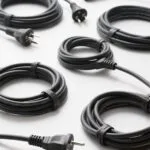
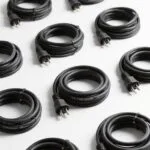
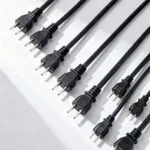
Modern appliances can overload extension cords and cause overheating, sparks, or fires when the cord is undersized for the load. The guide explains why extension cords create a fire hazard with high-powered appliances drawing 1,500 to 2,000 watts. Inspect cord wattage rating and cord gauge before use; for 1,500 W prefer 14 AWG, for 2,000 W use 12 AWG. Do not daisy-chain cords; that practice multiplies resistance and increases power risk. Step 1: check appliance nameplate wattage. Step 2: match to cord rating. Step 3: plug directly into a wall outlet for microwaves, toasters, refrigerators, and space heaters. Failure to follow electrical safety can lead to dangerous overheating, voltage drop, and appliance malfunction. Maintain cords in good condition, replace if damaged or heat-discolored immediately. When selecting cords, favor certified, heavy-duty options like 14 AWG for 1,500 W appliances and 12 AWG for continuous high-current loads to minimize voltage drop and overheating.
Appliances You Should Never Plug Into an Extension Cord
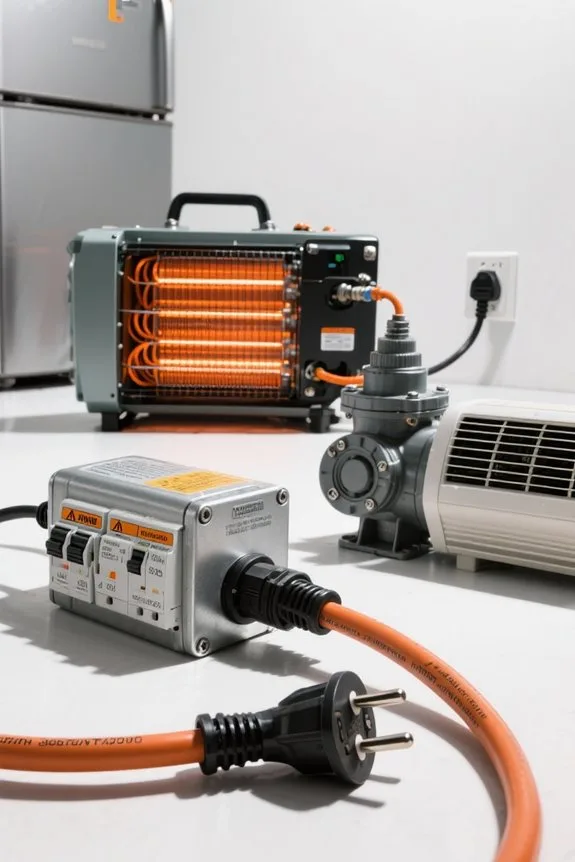
Because extension cords increase resistance and heat, several common household appliances must never be plugged into them. Refrigerators (300–800 watts) and microwaves (800–1,000 watts) are high-power appliances that present fire risk. Air fryers can draw up to 2,000 watts and must plug directly into a power outlet. Space heaters (about 1,500 watts) and electric stoves or dryers (1,200–5,000 watts) also require direct connection. The Consumer Product Safety Commission advises avoiding extension cords for these items. You can follow steps: 1) check appliance rating label for volts and wattage, 2) confirm wall outlet is 120V, 15A or appropriate, 3) route cord to outlet without pinching. Example product code for safe outlet upgrade: GFCI-120A. Consult a licensed electrician (NFPA-70) for permanent hardwired solutions when needed immediately. To maintain tool performance and safety, aim to minimize voltage drop—especially on runs over 50 ft—by selecting an appropriate cord gauge.
How to Choose the Right Extension Cord (Gauge, Length, and Rating)
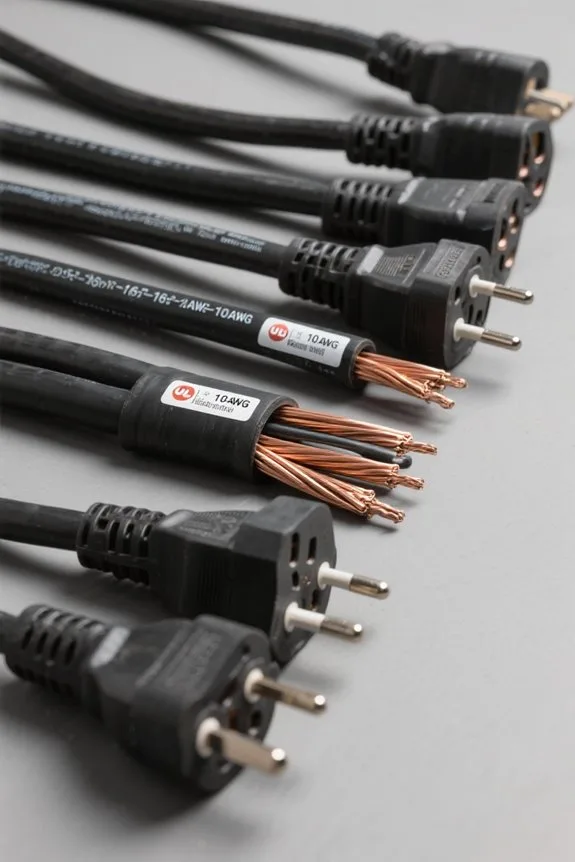
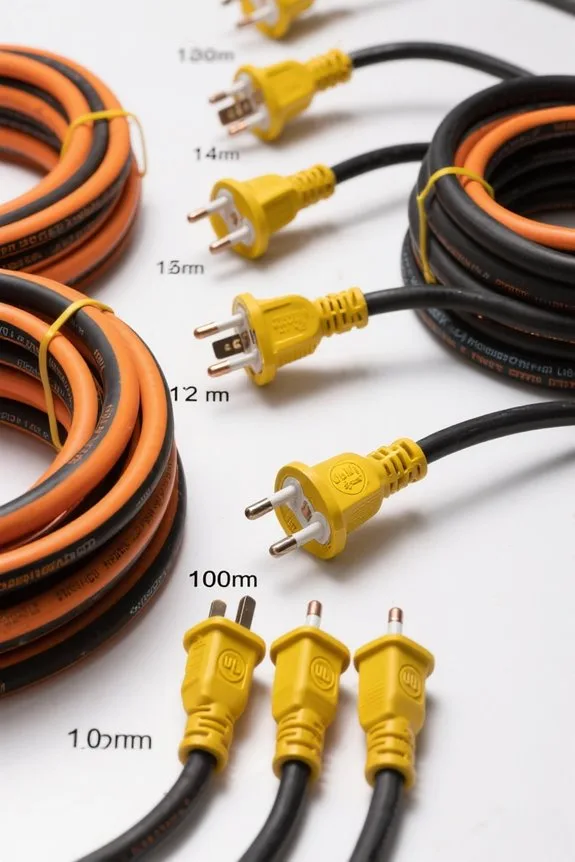
When selecting an extension cord, choose the correct gauge, length, and rating to match appliance wattage and distance. Check the gauge rating on the jacket; 16-gauge suits small household appliances, 10-12 gauge suits heaters. Measure distance to the wall outlet, pick length; for runs over 50 feet use heavier gauge to prevent voltage drop. Add the total maximum wattage of appliances used, confirm cord rating exceeds it so you can avoid overload. Avoid daisy-chaining cords or power strips; choose a single heavy-duty extension with NEMA and outdoor codes. Verify markings like “SJTW” or product code “ETL 18A 125V,” and check insulation for wet ratings before purchase. Inspect regularly for damage, replace cords with frayed insulation or exposed conductors, store indoors when not in use. For best adhesion when using related equipment like tapes or labels, apply them to clean, dry surfaces.
Recommended Products

Lighted End and Extra Size for Safety: The power socket indicator light shows that power is on and the heavy duty extension cord 25 ft is ready for work; Extra size male NEMA 5-15P power plug and female NEMA 5-15R power socket for safety; It is thicker and more durable than the normal type on market and has high insulation safety performance to prevent electric shock; ETL/cETL listed for safe approval

ETL Listed and Trusted: Heavy duty extension cord 15 ft rated 15 Amps, 1875 Watts and 125 VAC; Male NEMA 5-15P and female NEMA 5-15R; It is ETL/cETL Listed; ensuring its compliance with strict safety standards; Each outdoor extension cord passes a 2500V high voltage test before leaving the factory to ensure safety; Reliability and efficiency outdoor extension cord waterproof are capable of meeting most electrical needs

High Quality: 12/3 extension cord 25 foot, 15 amp, 125 volt, 1875 watt, NEMA 5-15P to NEMA 5-15R, ETL/cETL listed; The 3 outlet extension cord outdoor has 3 way plug outdoor; Heavy duty extension cord with multiple outlets can power multiple appliances at the same time; Making maximum use of existing resources
Safe Alternatives and Permanent Electrical Solutions
Although temporary cords may seem convenient, permanent electrical solutions provide safer, long-term power for high-draw appliances and reduce fire risk. The guide explains that high-powered appliances like refrigerators and air fryers (up to 2,000 W) should be plugged directly into wall outlets rated 15–20 A. Install dedicated circuits with 12 AWG wire for 20 A appliances and 10 AWG for 30 A ranges. Add ground fault circuit interrupter (GFCI) outlets in kitchens and wet areas per NEC 210.8. Avoid relying on extension cords or heavy-duty cords for fixed use. Steps: 1) document appliance wattage, 2) hire licensed electrician for professional installations, 3) request circuit labeling and outlet placement for appliance accessibility. This reduces fire risks and guarantees consistent safety and performance. Follow local codes strictly. Consider using weatherproof enclosures like IP55 rated covers for outdoor connections.
Best Practices for Using Extension Cords Responsibly
For safe temporary power, choose a heavy-duty, UL-listed 12 AWG extension cord (NEMA 5-15P) rated for 1,800 watts. The guide recommends plugging high-powered appliances like refrigerators, microwaves, air fryers and space heaters directly into wall outlets to reduce fire risks and preserve performance. Avoid using extension cord setups that exceed 1,800 wattage to prevent overheating and circuit overload. Use heavy-duty extension cords with appropriate gauge ratings for any portable, high-draw device. Do not daisy chain cords or connect multiple cords together. Regularly inspect cords for cuts, fraying, discoloration and loose terminals, and maintain or replace damaged cords immediately. These steps support electrical safety for modern appliances and help users manage power demand without compromising household safety. Consult manufacturer labels for exact wattage specifications regularly. Also verify that extension cords are UL Listed and use 12 AWG or thicker conductors for heavy-duty applications.
Recommended Products

Up to 1875W Applications: Outdoor extension cord waterproof 12 gauge, 15 amp, 125 volts, 1875 watts, NEMA 5-15P to NEMA 5-15R, SJTW power cord, ETL/cETL listed, heavy duty extension cord 50 ft is perfect for heavy duty use or powering major appliances
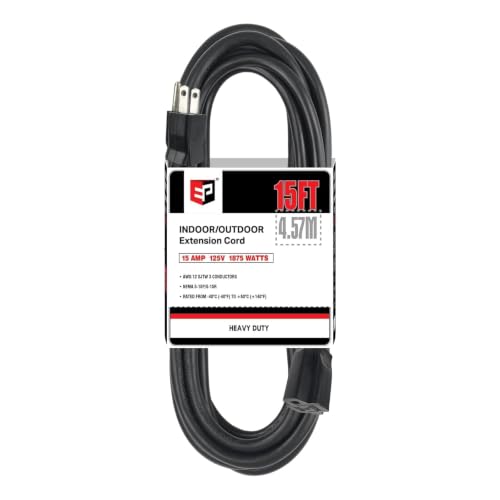
Heavy Duty Extension Cord - 15 amps, 125 volts, 1875 watts, 5-15P/R, 12 gauge heavy duty cord with pure copper wire.

Lighted End and Extra Size for Safety: The power socket indicator light shows that power is on and the heavy duty extension cord 100 ft is ready for work; Extra size male NEMA 5-15P power plug and female NEMA 5-15R power socket for safety; ETL/cETL Listed for safe approval
Frequently Asked Questions
What Extension Cords Are Safe for Appliances?
One uses extension cord ratings matching appliance power requirements, ensuring extension cord safety; assess wire gauge differences, cord length effects, indoor vs outdoor cords, surge protection features, multi-outlet cords, appliance plug types, overloading extension cords.
What Appliances Should Not Be Plugged Into an Extension Cord?
They should not plug space heaters, large appliances, microwaves, fryers or stoves into extension cords due to safety hazards, appliance overload, heat generation and power surges; usage tips: cord length, wattage limits, extension cord types.
Can You Run a Refrigerator on a 16 Gauge Extension Cord?
No, refrigerator on 16-gauge cord risks inadequate refrigerator power, extension cord limitations and appliance safety hazards; gauge thickness, current draw and electrical load must match refrigerator specifications, cord length and surge protection affect energy efficiency.
What Is an Appliance-Rated Extension Cord?
An appliance-rated extension cord is an appliance extension meeting safety standards with amperage ratings and power-rating, accounting for cord length, gauge differences, offering surge protection and supporting indoor and outdoor use, various heavy duty options.