As an Amazon Associate, we earn from qualifying purchases. Some links on this site are affiliate links at no extra cost to you. Our recommendations are based on thorough research and editorial judgment.


Circuit Breakers vs. Surge Protection Devices

Circuit breakers are switches that interrupt current at set amperages, usually 15 A, 20 A, or 30 A, mounted in DIN/NEMA panels. Surge protection devices (SPDs) use MOVs rated 330–400 V to clamp spikes from lightning or switching. Use breakers for overloads and shorts, SPDs for voltage transients on electronics; install SPDs at the service panel and at outlets. For safety match breaker amperage to wire gauge; you can consult a licensed electrician for compliance.
Key Takeaways
- Circuit breakers protect against excess current and short circuits, tripping at rated amperage (e.g., 15 A, 20 A, 30 A).
- Surge protection devices limit voltage spikes using MOVs, clamping transient voltages (typically 330–400 V).
- Breakers are resettable after faults; surge protectors must be replaced after significant surge events or 3–5 years.
- Install breakers at the service panel for circuit safety and surge protectors at outlets or service panels for sensitive electronics.
- Use both: breakers prevent overload/fire hazards, while surge protectors safeguard devices from transient voltage spikes.
What Is a Circuit Breaker?
You may be interested
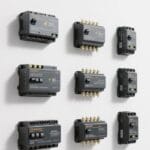
A circuit breaker is a safety switch that interrupts electrical flow when current exceeds a safe limit, protecting wiring and devices. The Circuit device trips at rated values such as 15 A, 20 A, or 30 A per branch circuit. A Breaker mounts in a standard 120 mm by 200 mm DIN-style panel or residential breaker box. It disconnects electrical feed automatically on overloads and short circuits to prevent overheating and fire hazards. Reset is simple; first isolate the faulty appliance, then flip the labeled switch ON after confirming no fault. Common causes require inspection: measure load with clamp meter CM-3289, test continuity, and inspect neutrals and grounds regularly. Electricians follow labels, wear insulated gloves, shut off main feed, and use matching part BRK-120A. For additional protection in workshops, consider using surge protectors with high joule ratings and metal housings.
Recommended Products

Single pole, 20 Amp, 120V type QP Circuit Breaker

Lockout tagout circuit breaker lockout is best used on standard height and tie-bar toggles typically found on 120 and 240 volt breakers; Best used as part of a comprehensive OSHA compliant lockout tagout safety program

SMART BUY: A complete, high-performance kit that offers convenience and value
What Is a Surge Protector?
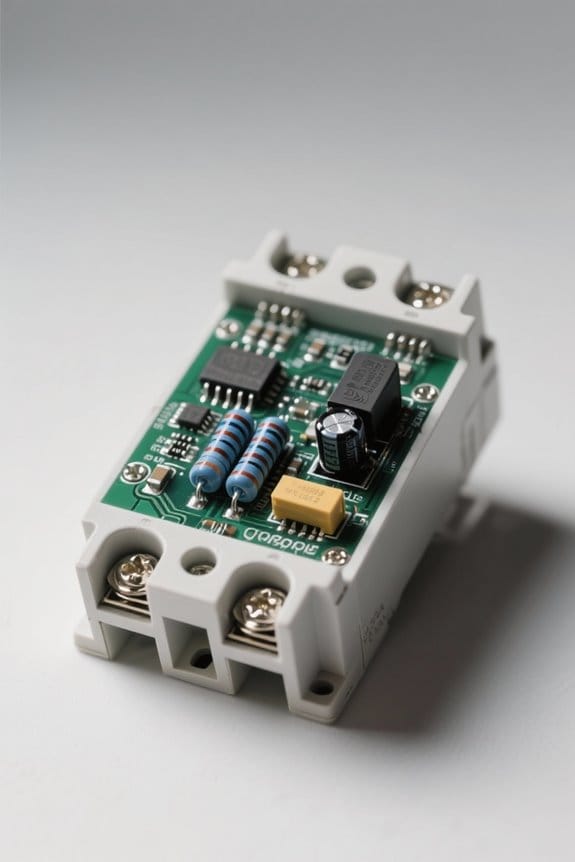
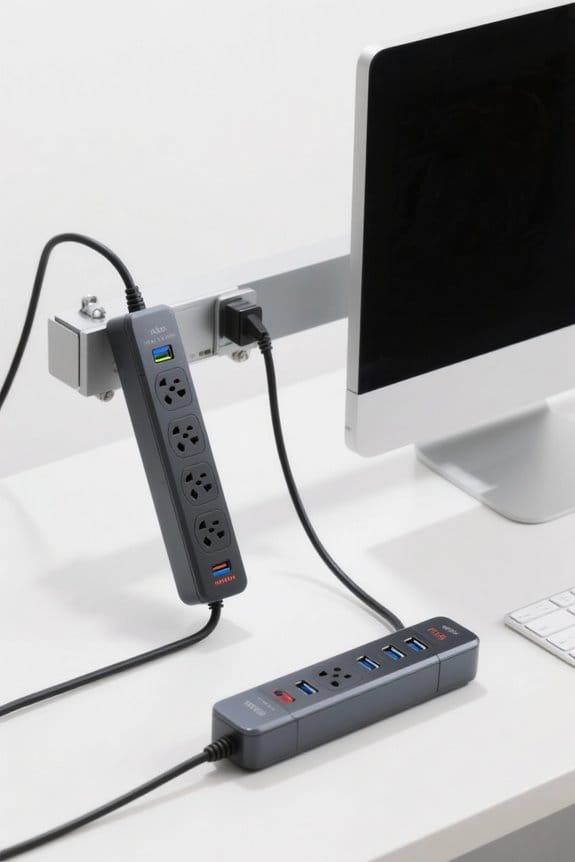
Many surge protectors limit voltage to connected equipment, using metal-oxide varistors (MOVs) rated for 330–400 V clamping and 600–2,000 joules of absorption energy. A surge protector is designed to shield electrical appliances and electronics from voltage spikes from lightning, utility switching, or equipment faults. Typical units include power strip models with UL 1449 listing and whole-home modules at the service panel. Steps: 1) Verify suppressed voltage rating (e.g., 400 V), 2) check joules (600–2,000 J), 3) confirm UL 1449 or IEEE product code, 4) replace after 3–5 years or after a major surge. They divert excess energy to ground and must be paired with proper grounding for effective protection. Inspect indicator lights and record model numbers such as SP-1200 or WH-2000 for service history. Ensure proper grounding and follow IEC 61000-4-5 guidelines for installation to maximize effectiveness.
Recommended Products

FLAT PLUG POWER STRIP SURGE PROTECTOR: Features 7 outlets, 2160 joule rating, and an 7ft flat plug extension cord. Three wide-spaced outlets fit bulky transformers. Filters out threatening EMI/RFI line noise that can cause damage or data loss.

MULTI-OUTLET SURGE PROTECTOR: Power everything on your desk with a single compact multi outlet extension cord; 12 AC outlets with surge protection charge your computer, laptop, phone, camera, etc.

FLAT PLUG POWER STRIP SURGE PROTECTOR: Features 7 outlets, 2160 joule rating, and an 7ft flat plug extension cord. Three wide-spaced outlets fit bulky transformers. Filters out threatening EMI/RFI line noise that can cause damage or data loss.
When to Use Each Device
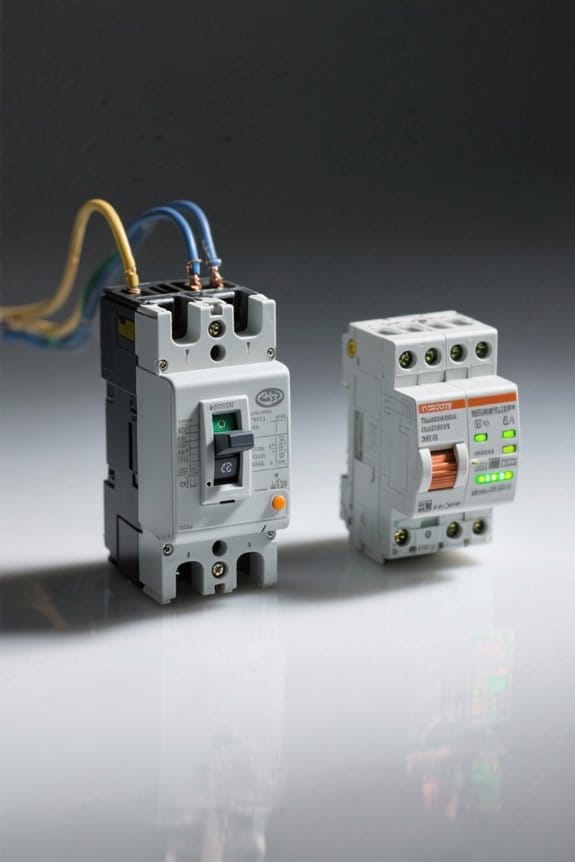
Home electrical safety requires choosing between circuit breakers and surge protectors based on overcurrent risk and voltage-spike exposure at each outlet. Circuit breakers, model QB-15A or QB-20A, protect against overloads and short circuits by tripping at 15 A or 20 A respectively. Install these breakers in the main panel when multiple appliances draw more than 12 A continuous current on one circuit. Surge protectors, such as SPD-30V or surge strips with 600 joules rating, guard sensitive electronics from spikes caused by lightning or utility switching. Mount surge protectors at outlets for computers and televisions within 1.5 m of the device. Combine both devices: use a breaker at the panel, then an outlet-level surge protector for layered electrical safety. Test surge device and log results. For heavy-draw devices like treadmills, use a 14 AWG cord 14 AWG rated for at least 15 amps to minimize voltage drop and overheating.
Recommended Products

Single pole, 15 Amp, 120V type QP Circuit Breaker

Protect Your System: Nilight thermal circuit breaker can be reset after a disconnect over a period of time, then you can press the reset switch to use it again When load exceeds rated current, the switch reset button will automatically cut off the circuit, and thus play a role in protecting the line.Not designed for push on / push off manual switch operation, but the button pops out at overload and is reset by pushing back in.

Product Specifications: T Tocas E69 Mid Range Mini Manual Reset Thermal Circuit Breakers - 15A, 1 Pack Switchable for reliable circuit protection
Key Differences Between Circuit Breakers and Surge Protectors
Circuit protection distinguishes two device types: circuit breakers (QB-15A, QB-20A) and surge protectors (SPD-30V, 600-joule strips), each addressing different risks. Circuit breakers detect excess current and open circuits at rated amperage, for example 15 A or 20 A. They sit in electrical panels and reduce overheating and fire hazards. Surge protectors limit voltage spikes to protect sensitive electrical equipment, rated by clamping voltage and joules. They attach at outlets or in power strips. After a trip, a circuit breaker can be manually reset following panel instructions. After absorbing surges, a surge protector should be replaced when joule capacity is depleted. The primary difference is current interruption versus voltage limitation, guiding device function and maintenance. Users should inspect indicators and labels annually for safe operation. For healthcare settings, use only surge protectors that comply with UL 1363 hospital-grade standards to ensure safety and regulatory compliance.
Recommended Products

Hospital Grade Power Strip
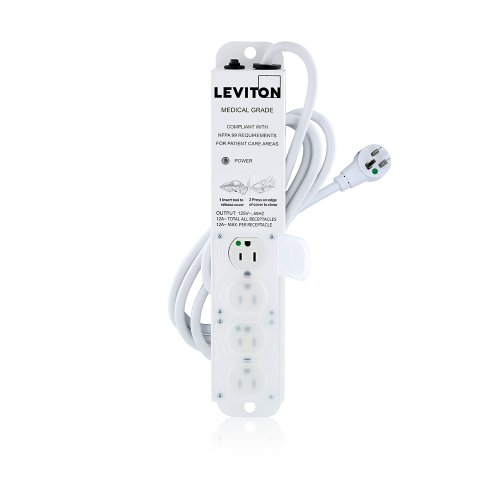
All outlets are hospital grade; Ensures dependable performance

1363A Compliant - Green Dot Approved Medical Grade Power Strip
Choosing the Right Protection for Your Home or Business
When evaluating protection needs, a property should use QB-15A or QB-20A breakers in the electrical panel and SPD-30V, 600-joule strips at outlets. First, measure total circuit load in amperes and list electrical appliances with wattage. Second, select circuit breakers rated at 15 A or 20 A per branch, matching wire gauge and load. Third, install SPD-30V strips at outlets serving sensitive devices, confirming suppressed voltage rating and active indicator lights. Fourth, avoid using a single outlet for multiple high-load devices without a breaker-sized load plan. Fifth, test breakers and surge protectors after installation, recording trip values and indicator status. Finally, consult a licensed electrician for layout, environmental risk, and code compliance. Document model numbers and installation dates for future maintenance and warranty records promptly. Additionally, for high-value electronics, choose surge protectors with 3,000 joules or higher to ensure adequate protection.
Recommended Products

GENUINE TANDEM BREAKER — This offer includes one (1) authentic HOMT1520 tandem circuit breaker from Square D's trusted Homeline series. This space-saving component is a factory-new, unused Original Equipment Manufacturer (OEM) part, providing two independent circuits (one 15A, one 20A) in a single breaker body. Its thermal-magnetic mechanism is engineered for reliable overcurrent protection, making it an ideal solution for adding circuits to a physically full load center in a garage or basement without requiring a sub-panel.

One 15-Amp, one 20A single pole
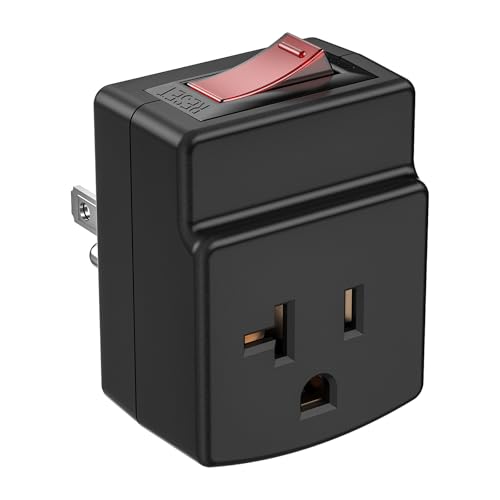
[EXCLUSIVE SAFETY DESIGN:BUILT-IN 15A CIRCUIT BREAKER]:Unlike standard adapters that pose severe overheating and fire risks when overloaded, our adapter features an integrated 15 Amp overload protection switch. If your 20A device draws more than 15 Amps, the switch automatically trips and cuts off power, protecting your home's wall wiring and preventing electrical fires.
Frequently Asked Questions
What Is the Difference Between a Circuit Breaker and a Surge Protection Device?
A circuit breaker interrupts overcurrent to protect wiring, while a surge protector diverts voltage spikes to protect devices; circuit breaker functionality differs from surge protector purpose, and both inform essential electrical safety considerations for systems.
What Should You Never Plug Into a Surge Protector?
Like feeding storms to a candle, one should never plug high power appliances—refrigerators, space heaters, washers—into a surge protector, nor critical medical devices or sensitive electronics or daisy-chained power strips due to surge protector limitations.
What Is the 80% Rule for Circuit Breakers?
It requires that continuous currents not exceed the 80% limit of circuit ratings to allow for surges and prevent overheating; this load balancing practice reduces nuisance tripping, prolongs component life, and meets NEC safety requirements.
Is a Power Strip With Circuit Breaker the Same as a Surge Protector?
No. 60% of household electronic failures are surge-related, highlighting power strip safety needs. A circuit breaker function prevents overloads, while surge protector types absorb voltage spikes; they serve different protective roles and are not interchangeable.