As an Amazon Associate, we earn from qualifying purchases. Some links on this site are affiliate links at no extra cost to you. Our recommendations are based on thorough research and editorial judgment.

Electrical Ratings and Extension Cord Specifications

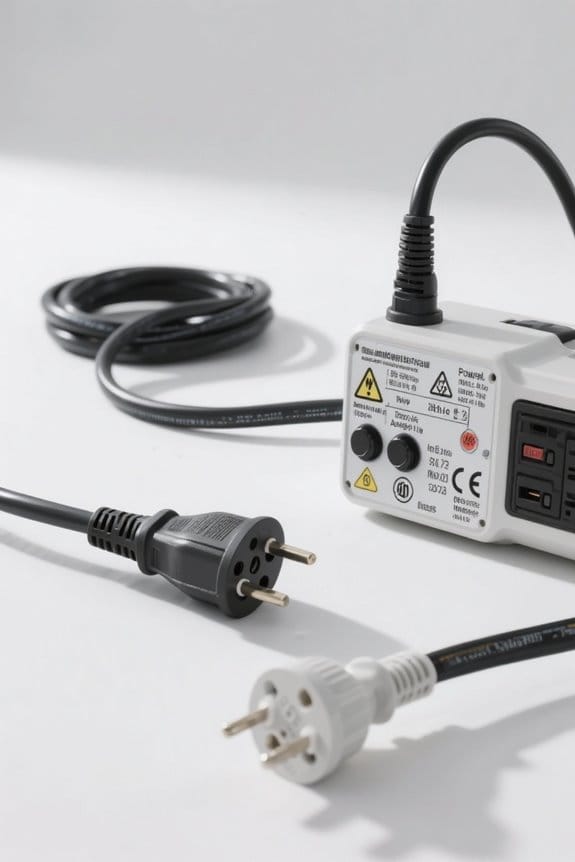
Extension cords consist of a male plug, insulated cable and a female socket; examples include EC-12-25 and EC-14-50. Choose 12 AWG for runs over 50 ft, 14 AWG for medium duty under 50 ft. Lengths are 25, 50, 100 ft. Match 120 V, 15–20 A and up to 1250 W to device draw. Use SJTW outdoors, inspect monthly for frays, you can consult an electrician for high loads. More sections explain calculations, charts, inspection steps.
Key Takeaways
- Verify extension cord voltage, amperage, and wattage ratings meet or exceed the device’s requirements before use.
- Choose cord AWG based on device amperage: 12 AWG for heavy loads, 14 AWG for medium-duty under 50 ft.
- Limit voltage drop to under 5% by using thicker gauge or shorter cords for long runs.
- Use SJTW- or weather-rated outdoor cords for exposure to moisture, sunlight, and abrasion.
- Inspect cords monthly for frays, cracked insulation, loose pins, and never exceed the cord’s amperage rating.
How Extension Cords Work
You may be interested
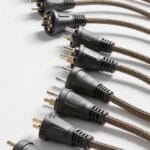
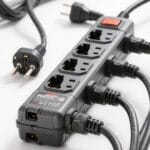
When an extension cord is needed to bridge a distance between a device and an outlet, a user first selects a cord with the correct parts and ratings. The cord assembles a female socket, an insulated cord, and a male plug, typically in 2 ft to 100 ft lengths, model examples EC-12-25 and EC-14-50. The user checks extension cord amps and the cord gauge to match electrical devices’ draw and the cord wattage rating printed on the jacket. Step 1: verify device amperage. Step 2: compare to cord amperage and wattage rating. Step 3: avoid connecting multiple cords, because doing so increases voltage drop and risk. Labels use American Wire Gauge but note that thicker the wire reduces heating. Inspect cords monthly for damage. For heavy-duty tools and to reduce voltage drop and overheating choose a 12 AWG cord whenever possible.
Understanding Gauge and AWG
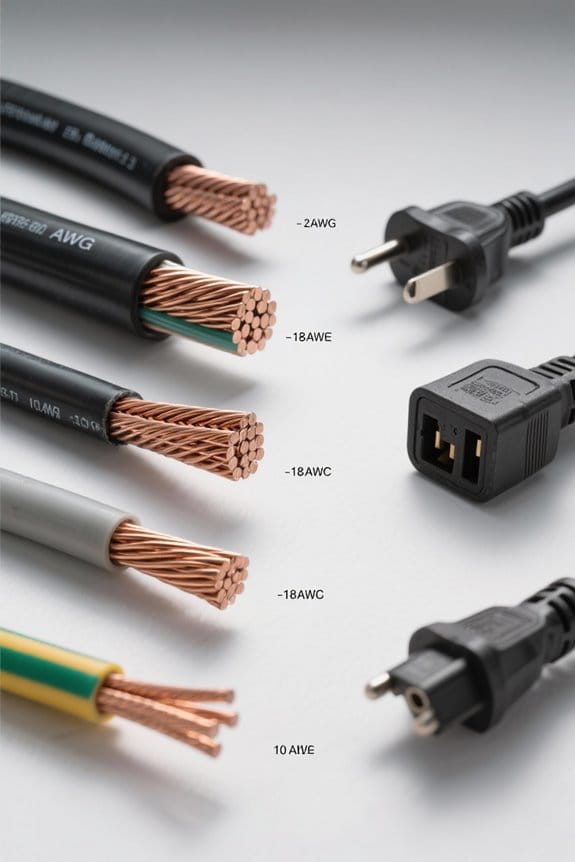
After selecting an appropriate extension cord model such as EC-12-25 or EC-14-50, the user must check wire thickness. Gauge, measured in AWG, indicates conductor diameter and current capacity in extension cords. Lower AWG numbers mean thicker wire and higher amperage rating, for example 8 AWG supports up to 50 amps. Typical ratings include 12 AWG for power-hungry appliances and 14 AWG for medium-duty tools. Thicker wires reduce resistance, limit voltage drop, and allow higher wattage over long runs. Inspect cord jacket for printed AWG marking and match it to device amperage on the nameplate. Verify length and load before use, and replace cords lacking clear AWG or electrical ratings. Follow manufacturer specifications for safe operation. Consult a licensed electrician for unusual or high-demand installations. Using thicker conductors also helps minimize voltage drop over long runs.
Voltage, Amperage, and Wattage Ratings
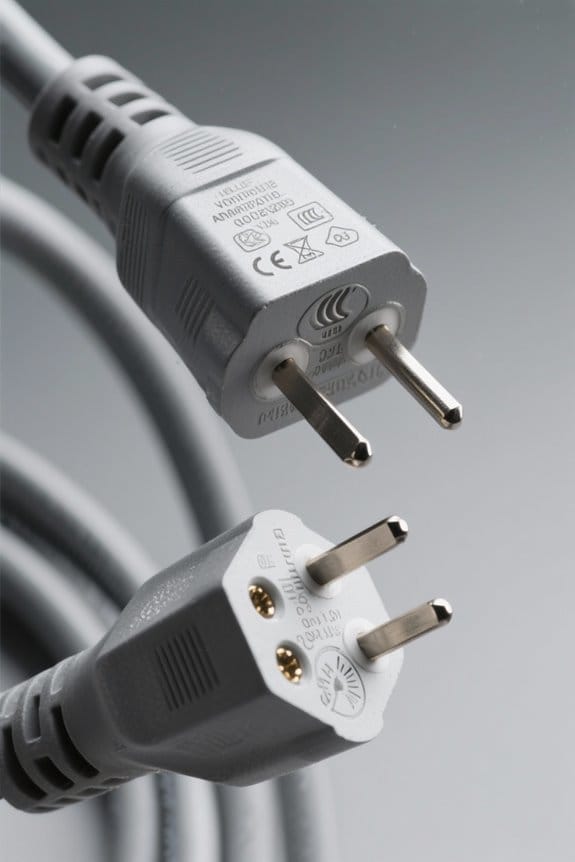
Although voltage, amperage, and wattage are related, each rating gives specific safety limits for an extension cord model like EC-12-25 or EC-14-50. Voltage ratings indicate the power capacity of a cord, with standard North American household service typically 120V for most appliances. Amperage ratings measure maximum electrical current a cord can safely carry, commonly 15 to 20 amps for residential units. Wattage ratings reflect the maximum power output capability, often around 1250 watts for typical cords. To guarantee safety, voltage and wattage must match or exceed device requirements to prevent overheating and hazards. The cord label lists EC code, voltage, amperage, and wattage; one should verify these before use. If ratings are unclear, consult product documentation or qualified electricians. Records of ratings aid inspections. For outdoor or heavy-duty applications, prefer cords with an SJTW rating and appropriate temperature and conductor specifications.
Matching Cords to Devices and Loads
How should an extension cord be matched to a device and its load for safe operation? Users must check the device label for required amperage and wattage, then select a cord rated equal. For runs under 50 feet, cord gauge 14 AWG may suffice for light loads; for longer or heavy duty tools, choose the right 12 AWG or 10 AWG. Confirm the Extension Cord wattage and amperage ratings, typical 1250 watts/10.4 A for 125V cords, or higher for heavy duty models. Verify plug types and the grounded plug configuration match device outlets. For air compressors and power tools, select cords rated for motor starting currents shown on labels. Follow manufacturer codes and avoid undersized cords for varied electrical loads. Inspect cords before use. Also, consider cords with SJTW jacket ratings and lighted ends for improved outdoor suitability and immediate visual confirmation of live power.
Recommended Products

Lighted End and Extra Size for Safety: The power socket indicator light shows that power is on and the heavy duty extension cord 25 ft is ready for work; Extra size male NEMA 5-15P power plug and female NEMA 5-15R power socket for safety; It is thicker and more durable than the normal type on market and has high insulation safety performance to prevent electric shock; ETL/cETL listed for safe approval
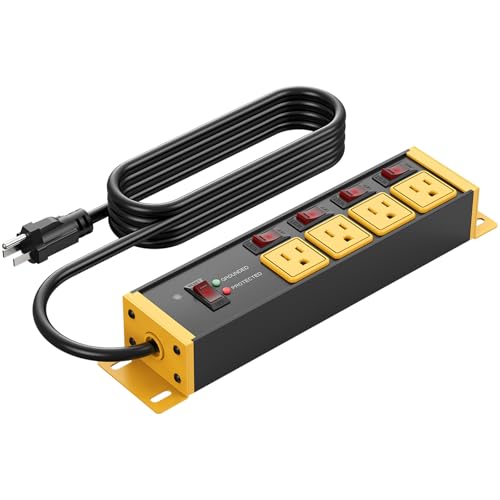
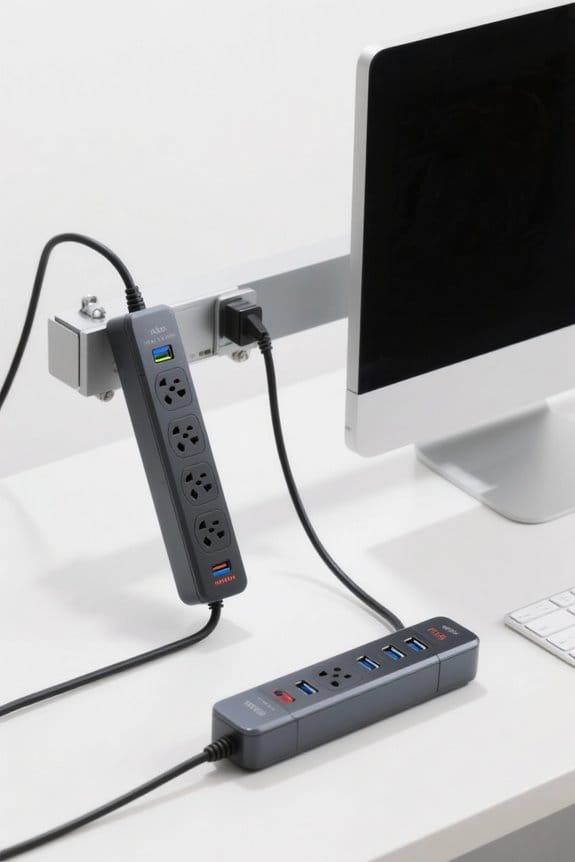
Heavy duty power strip 20 amp with 4 outlets and individual switches, 5-20R, 6-20R and come with standard 3 prong 5-15P plug. Wall mount design, can be applied to high power industrial equipment.

Lighted One End and Extra Size for Safety: LED power indicator confirms the 25-foot heavy-duty extension cord is powered and ready for use; oversized NEMA 5-15P male plug & NEMA 5-15R female socket enhance safety; rated 15 Amps, 1875 Watts, 125 VAC — ideal for indoor/outdoor use
Cord Length, Voltage Drop, and Performance
When matching an extension cord to a device, length and wire gauge determine voltage drop and final device voltage. Measure cord length in feet; common reference points are 25 ft, 50 ft, and 100 ft for selecting gauge numbers. Use 14 AWG extension cord gauge for runs under 50 feet and 12 AWG or lower for runs over 50 feet. Calculate voltage drop as source voltage minus device voltage; keep that drop below 5% to maintain device performance and safety. Step-by-step: 1) pick cord by electrical load and appropriate length, 2) verify UL-listed model XC-12 or ETL P/N12345, 3) measure volts. If you can record a drop over 5%, increase gauge or shorten cord length to improve performance and protect motors and electronics immediately. SJTW cords are recommended for outdoor use to ensure durability and weather resistance.
Outdoor vs. Indoor Cord Types and Ratings
In outdoor settings, extension cords must have thicker insulation, weather resistance, and a “W” rating to resist moisture and UV exposure. The article states that outdoor extension cords use heavy thermoplastic or rubber jackets, marked W or SJTW, and often specify 12 AWG or 14 AWG wire gauge. Indoor extension cords use lighter jackets, typically 16–20 AWG, and are suitable for lamps and fans with lower power rating requirements. Step 1: match cord gauge to expected wattage and distance. Step 2: read extension cord ratings printed on the jacket, including SJ, S, T, W codes. Step 3: choose 12 AWG for tools, 14 AWG for medium loads. This guidance limits damage from environmental hazards and preserves device performance. Consult labels such as CL3 now. Prefer grounded 3-prong cords and GFCI or overload protection for safety in outdoor use.
Safety, Inspection, and Maintenance
After selecting a properly rated cord (for example, SJTW 12 AWG or 14 AWG, CL3 where required), routine inspection and maintenance reduce fire and shock risks. Inspect extension cord jackets and power cord plugs for frayed wires, cracked insulation, exposed conductors, loose pins, or burn marks. Verify electrical ratings on the cord jacket, matching 15 A or 20 A and 125 V or 250 V, and wattage such as 1875 W. Do not exceed listed amperage; using a 14 AWG cord for a 20 A load causes overheating and voids warranties. For inspection and safety, follow a step-by-step checklist: unplug, flex the cord along its length, inspect plugs, measure continuity with a multimeter, and record findings. Replace or repair cords showing wear. For outdoor use, prefer waterproof jackets such as SJTW rated cords.
Frequently Asked Questions
What Are the Ratings for Electric Extension Cords?
Example: a jobsite used 12AWG 20A 120V cord. Ratings are voltage, amperage and gauge; reflecting electrical load capacity, cord length impact, voltage drop effects, wire insulation types, usage scenarios, power tool compatibility and extension cord safety.
Which Is Heavier, a 12 Gauge or 14 Gauge Extension Cord?
A 12 gauge extension cord is heavier than a 14 gauge cord. In cord comparison, gauge differences reflect wire thickness, affecting load capacity, power delivery, heat generation and electrical safety for appliance use, generally speaking
How to Tell What an Extension Cord Is Rated For?
They check printed markings and gauge to determine rating: cord length, power load capacity, safety standards listings, insulation type and outdoor use suitability, wire material and adequate plug design, plus inspect for damage before use.
Which Is Better, a 16 Gauge or 14 Gauge Extension Cord?
Like a sturdy bridge, 14-gauge is better. It offers superior wire thickness importance, current capacity, reduces voltage drop effects over extension cord length, improves appliance compatibility, informs extension cord applications, and supports usage safety tips.